Anticipation and Anxiety: Designing the Build-Up to the Red Sea Crossing in a Moses Game
Explore how game design can build anticipation for the Red Sea Crossing in a Moses game using narrative, environment, and player agency.
Introduction: The Importance of the Red Sea Crossing
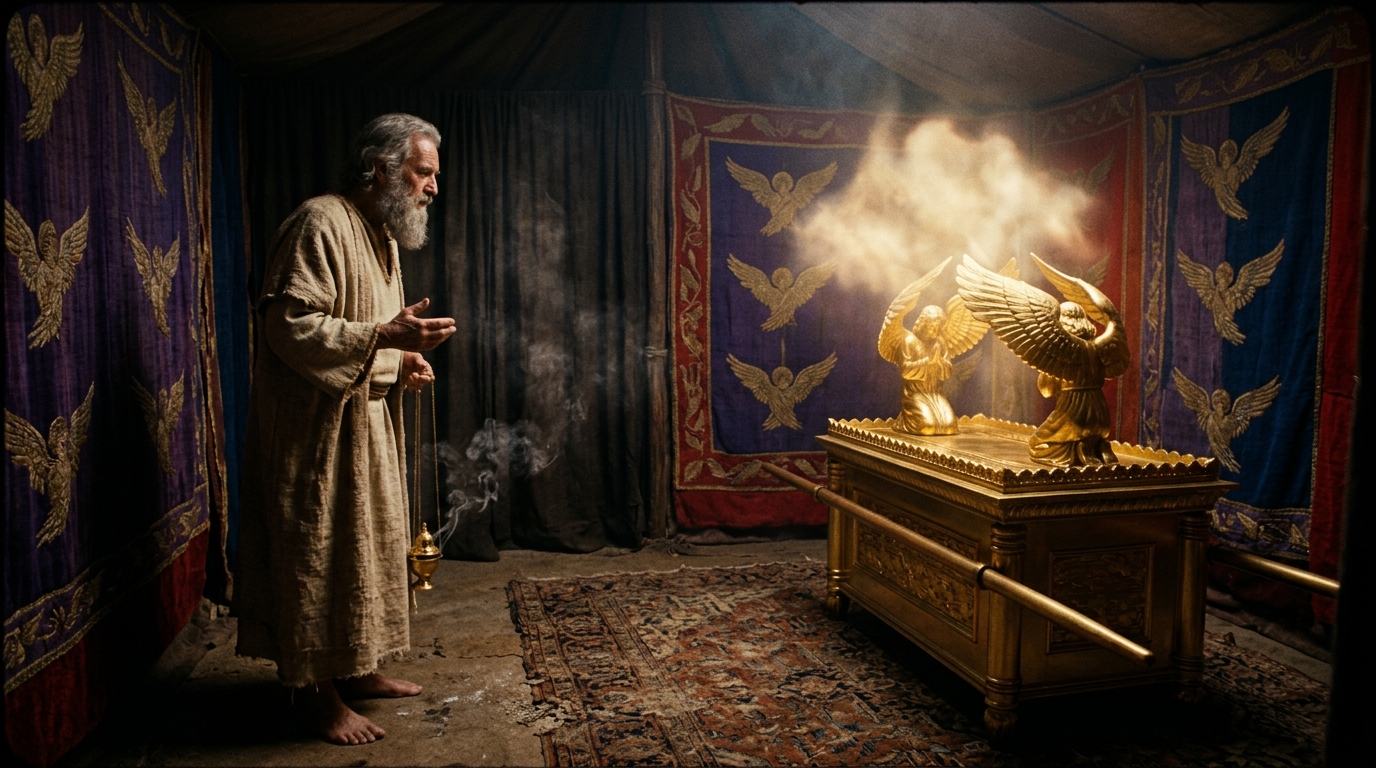
The story of Moses leading the Israelites out of Egypt is one of the most dramatic narratives in biblical history, culminating in the miraculous crossing of the Red Sea. For game designers, this moment offers a wealth of potential for creating a powerful and immersive experience. While much attention is often given to the crossing itself, the build-up to this event is equally crucial. By effectively designing the events leading to the Red Sea Crossing, developers can heighten player anticipation and anxiety, making the eventual crossing a truly climactic moment.
Building Narrative Tension: Storytelling and Dialogue
Narrative tension is the backbone of any compelling story-driven game. In the context of a Moses game, the narrative leading up to the Red Sea Crossing can be enriched through carefully crafted storytelling and dialogue. The biblical account describes the Israelites’ fear and uncertainty as they flee from Pharaoh’s army, a theme that can be expanded in the game through character interactions and evolving story arcs.
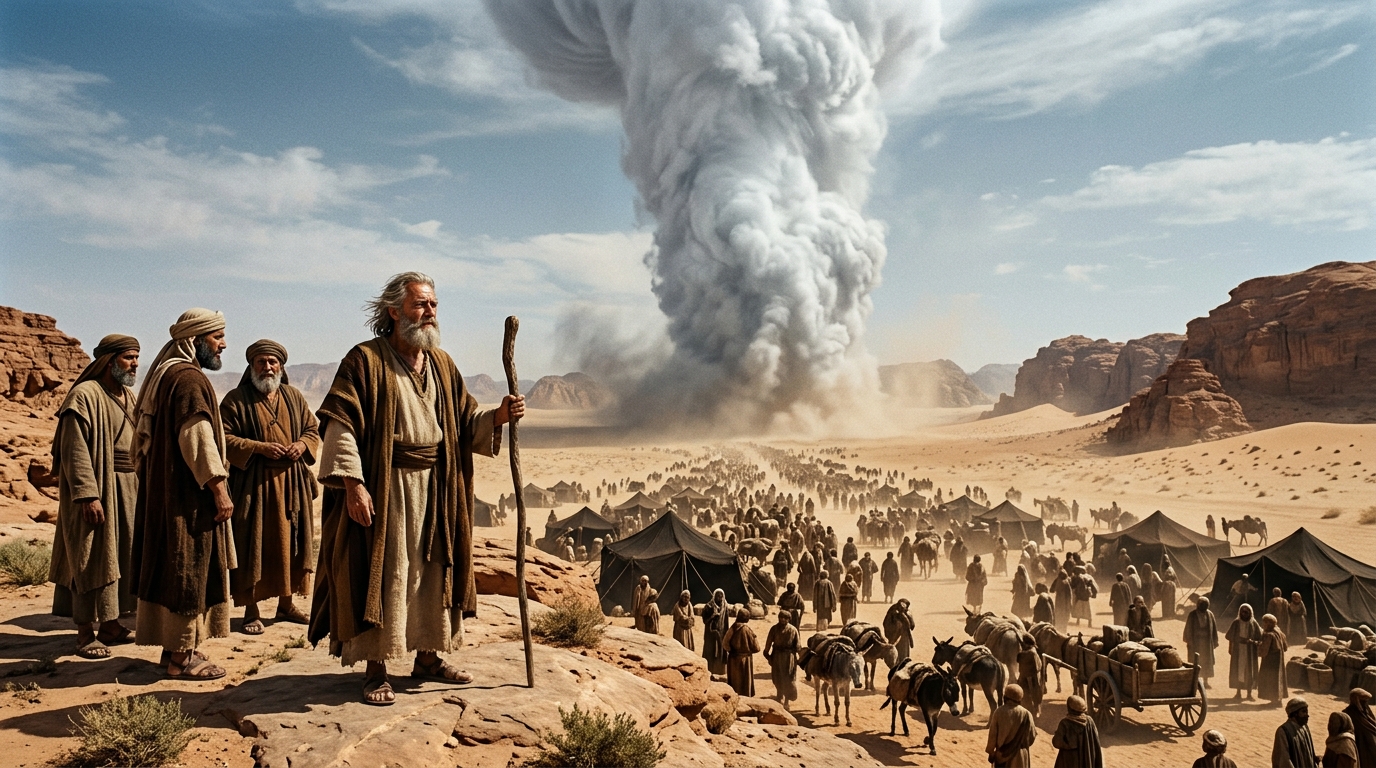
Dialogue can be used to reflect the Israelites’ growing anxiety and doubt. Conversations between Moses and key figures, such as Aaron or Miriam, could reveal differing opinions on their predicament, fostering a sense of urgency. Additionally, the use of flashbacks or prophetic visions could provide players with glimpses of the stakes involved, heightening the emotional weight of the impending confrontation.
Environmental Design: Crafting a Tense Atmosphere
The environment in which players find themselves can significantly influence their emotional experience. In the lead-up to the Red Sea Crossing, environmental design should aim to convey the tension and urgency of the Israelites’ flight. This can be achieved through a variety of design elements.
- Visual Cues: The landscape could gradually become more foreboding as players approach the sea, with darkening skies and distant sounds of approaching chariots.
- Level Design: Create narrow pathways and bottlenecks that simulate the feeling of being pursued, forcing players to make quick decisions under pressure.
- Interactive Elements: Include obstacles such as collapsing structures or natural barriers that must be navigated, adding a layer of challenge and urgency.
The Role of Soundscapes in Enhancing Anticipation
Sound design is a powerful tool in shaping a player’s emotional journey. The auditory elements leading up to the Red Sea Crossing can significantly amplify the sense of anticipation and anxiety. Consider the following soundscape strategies:
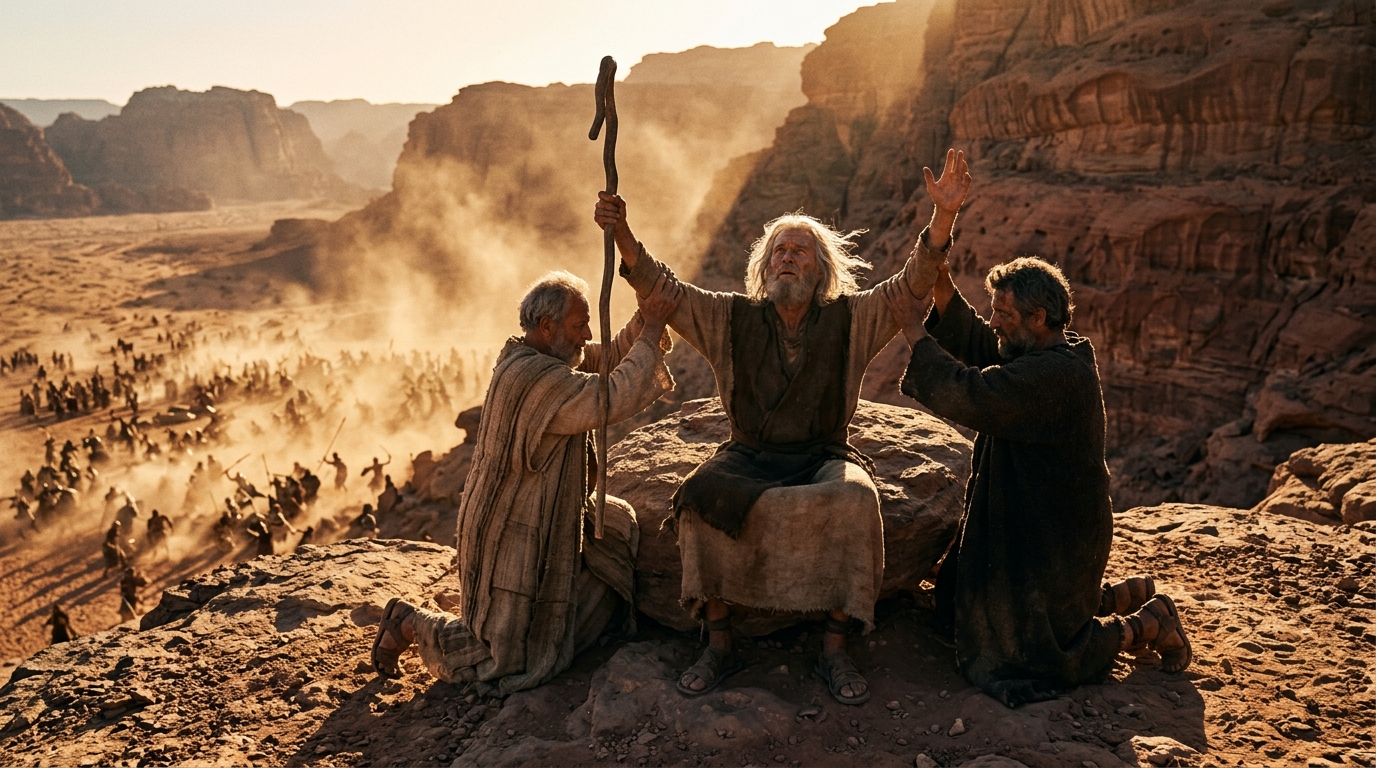
- Ambient Sounds: The distant rumble of Pharaoh’s chariots and the sound of the wind whipping through the desert can create an ominous backdrop.
- Musical Score: A dynamic score that builds in intensity can mirror the rising tension, with crescendos aligning with critical narrative moments.
- Diegetic Sounds: Incorporate the sounds of the Israelites’ hurried footsteps, whispered prayers, and the cries of children to personalize the experience.
Player Agency: Choices and Consequences
Player agency is vital in ensuring that the build-up to the Red Sea Crossing feels personal and impactful. By allowing players to make meaningful choices, the game can create a more immersive and emotionally resonant experience.
Players could be tasked with making strategic decisions about the group’s route or managing resources to ensure the survival of their people. These choices could lead to varying levels of difficulty during the crossing itself, based on the consequences of earlier decisions. Additionally, moments of agency could involve moral dilemmas, such as choosing to aid struggling members of the group at the risk of slowing down the escape.
Conclusion: Crafting a Climactic Game Experience
The build-up to the Red Sea Crossing in a Moses game is an opportunity to engage players in a deeply emotional and immersive narrative journey. By focusing on narrative tension, environmental and sound design, and player agency, game designers can create a powerful sense of anticipation and anxiety. This approach not only enriches the player’s experience leading up to the crossing but also ensures that the crossing itself is a memorable and climactic moment, resonating with the themes of hope, faith, and deliverance central to the story of Moses.