The Architects of Ambition: Designing the Opposition Among Pharaoh’s Court in a Moses Game
Explore the intricate politics of Pharaoh’s court to design dynamic antagonists in a Moses game.
Introduction to the Political Climate of Pharaoh’s Court
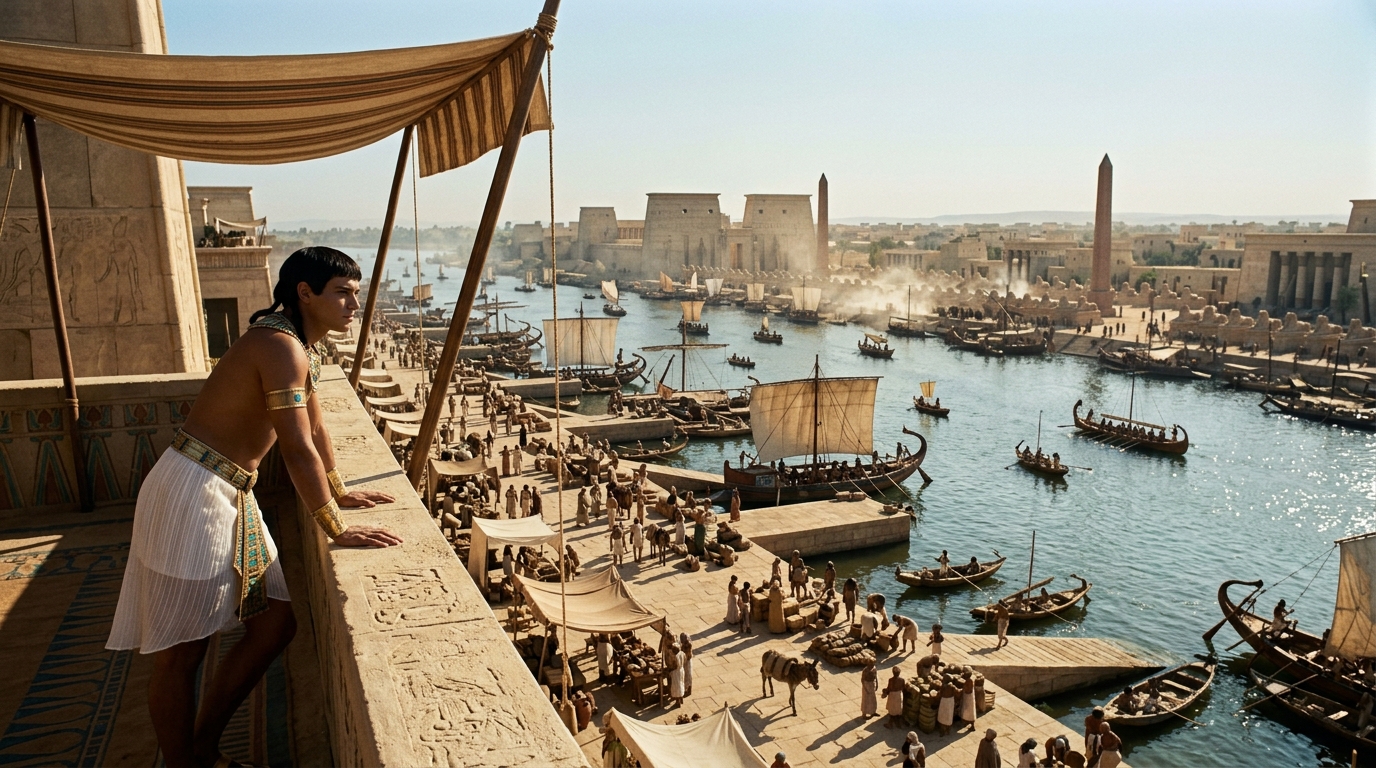
When envisioning a video game inspired by the biblical narrative of Moses, the natural inclination might be to focus on the epic confrontations between Moses and Pharaoh. However, an equally compelling narrative lies within the intricate political dynamics of Pharaoh’s court. Here, the true architects of ambition reside, their personal goals and moral conflicts shaping the opposition to Moses’ mission. By delving into these internal political struggles, game designers can craft nuanced antagonists who offer players strategic and moral dilemmas, enriching the overall experience.
Historical Inspirations for Game Design
To accurately portray the political atmosphere of Pharaoh’s court, designers can draw from both biblical accounts and historical records of Ancient Egypt. The court was not merely a backdrop for Pharaoh’s commands but a complex web of advisors, priests, military leaders, and family members, each wielding influence and harboring distinct ambitions. Historical records, such as those detailing the roles of viziers and high priests, can inform the creation of characters who are not just obstacles but pivotal players in the game’s narrative.
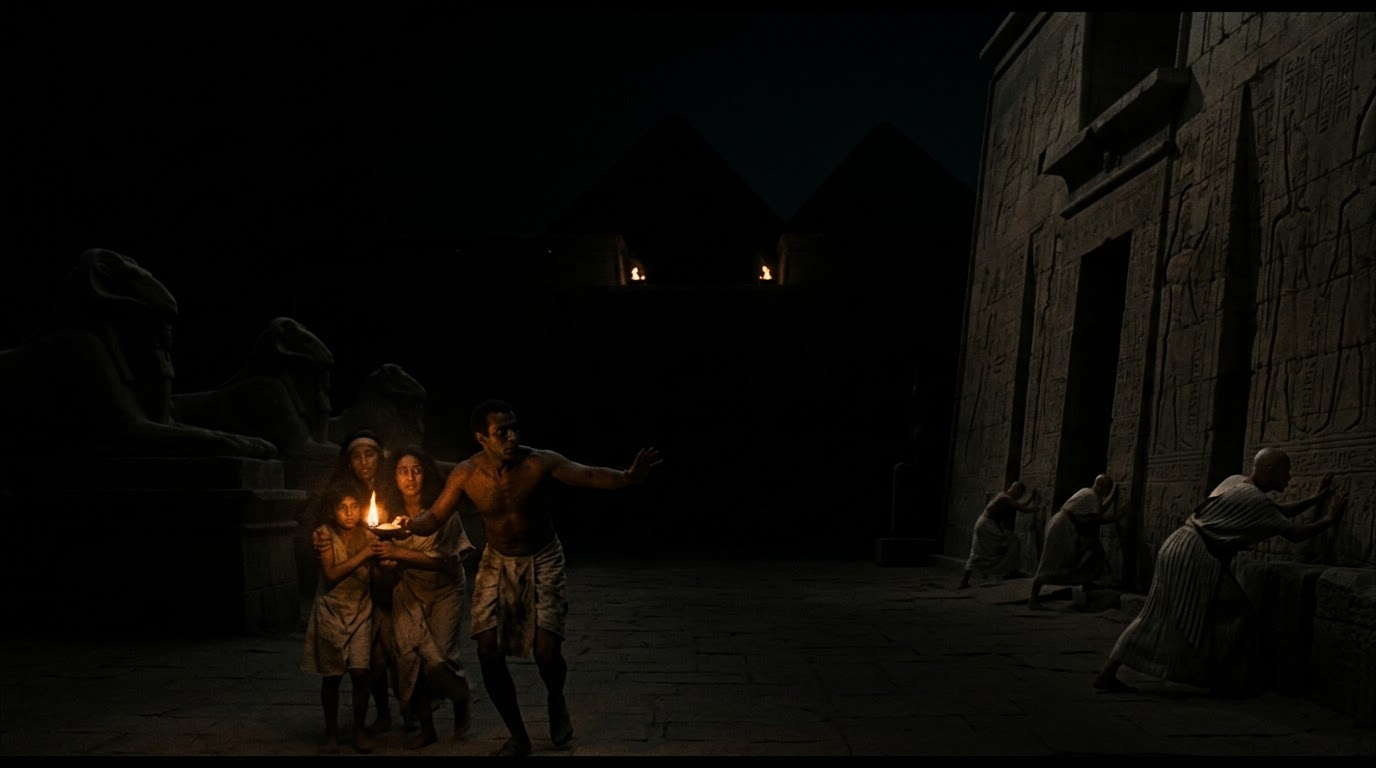
The biblical account of Exodus provides a framework for these characters, but historical research can flesh out their motivations and conflicts. For instance, the role of magicians and priests in Pharaoh’s court can inspire antagonists who challenge Moses not only through their allegiance to Pharaoh but through their own spiritual and political objectives.
Character Archetypes and Moral Complexity
Creating compelling antagonists requires more than just historical accuracy; it demands a deep exploration of moral complexity and personal ambition. In a Moses game, characters within Pharaoh’s court can be designed as archetypes that reflect the diverse spectrum of human motives. For instance, a vizier might be portrayed as a pragmatic strategist, whose loyalty to Pharaoh is tested by the moral implications of opposing Moses. Alternatively, a high priest could be depicted as a zealot, whose spiritual convictions lead to a personal vendetta against Moses.
These characters should not be mere foils to Moses but fully realized individuals with their own arcs and dilemmas. By giving players insight into their backgrounds and motivations, designers can create a narrative where the line between right and wrong is blurred, forcing players to confront the complex nature of leadership and power.
Integrating Conflict and Strategy into Gameplay
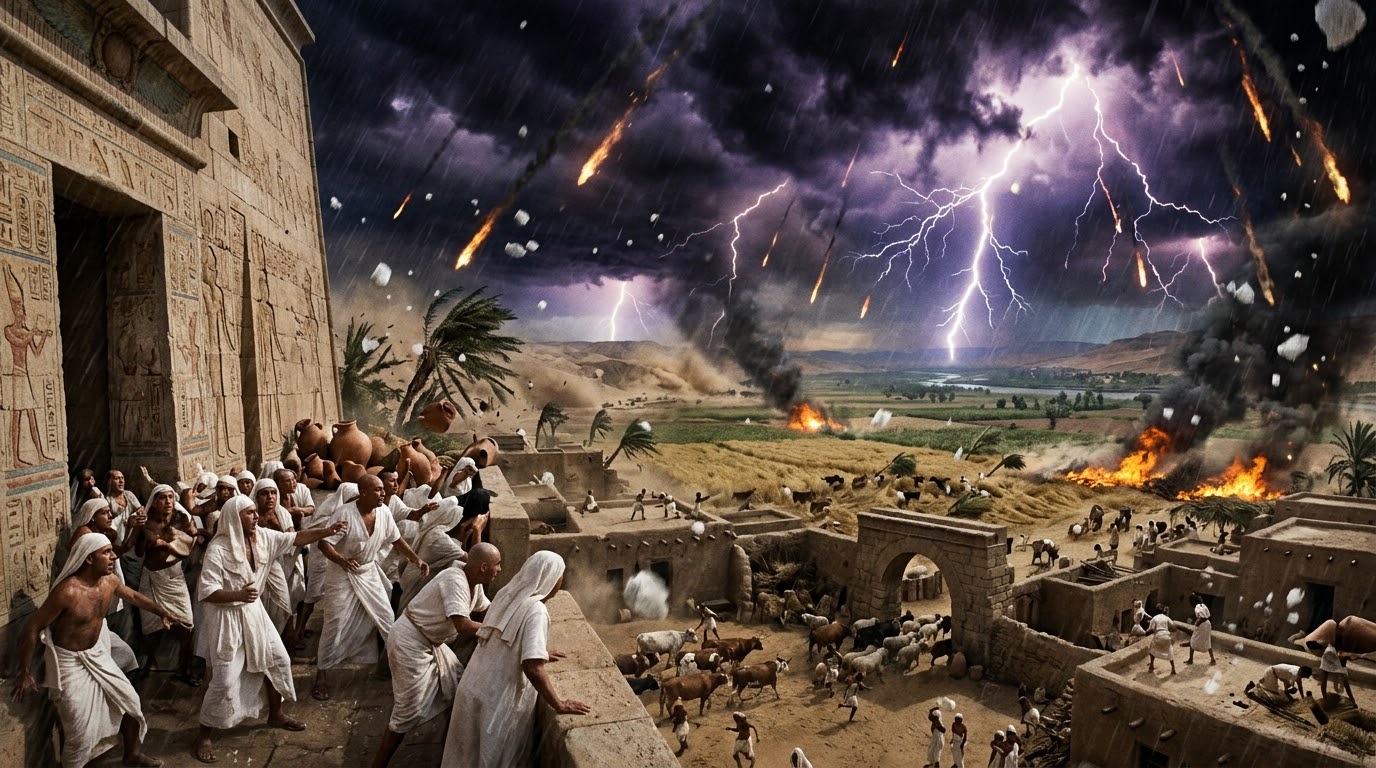
To translate these political and moral complexities into engaging gameplay, developers can employ various mechanics that emphasize strategy and decision-making. Players might need to navigate the court’s political landscape, choosing allies and managing resources to strengthen their position. This could involve participating in court intrigues, negotiating with influential figures, or even engaging in debates that test the player’s understanding of the court’s internal dynamics.
Additionally, the game could include branching storylines where the player’s decisions impact the loyalties and actions of court members. This would not only enhance replayability but also immerse players in the high-stakes environment of Pharaoh’s court, where every choice could alter the balance of power.
Conclusion: Crafting Engaging Antagonists
Designing the opposition within Pharaoh’s court for a Moses game offers a rich tapestry of narrative possibilities. By focusing on the internal political dynamics and the personal ambitions of its members, game designers can create antagonists who are as complex and compelling as the protagonist. This approach not only deepens the narrative but also challenges players to engage with the moral and strategic dimensions of leadership. In doing so, the game becomes more than a retelling of a biblical story; it becomes a dynamic exploration of human ambition and the intricate dance of power.