Coping with Chaos: Designing the Human Experience of the Ten Plagues in a Moses Game
Explore how a Moses game humanizes the Ten Plagues by focusing on moral dilemmas and survival in Ancient Egypt.

Introduction: Humanizing the Plagues
The Ten Plagues of Egypt stand as some of the most dramatic events in biblical history, often depicted with awe-inspiring spectacle. However, beneath the epic narrative lies a realm ripe for exploration in the world of video games—a chance to delve into the human experience of these divine interventions. Designing a Moses game offers an opportunity to humanize the plagues by focusing on the lives of ordinary Egyptians and Hebrews, capturing the moral dilemmas and survival strategies they faced amidst chaos. This approach not only enriches the storytelling but also invites players to empathize with the individuals caught in these extraordinary circumstances.
The Daily Lives of Egyptians: Experiencing Chaos
To authentically portray the Ten Plagues, it’s crucial to understand the daily lives of the Egyptians and Hebrews during this tumultuous period. Ancient Egypt was a complex society with vibrant cities, bustling trade, and rich agricultural practices. The plagues disrupted every facet of life, from the Nile turning to blood to swarms of locusts devouring crops. A game could immerse players in the mundane yet vital tasks of the time, like managing dwindling food supplies or maintaining community morale.
Players might take on the role of a farmer struggling to protect his family as livestock perish, or a merchant trying to navigate disrupted trade routes. These scenarios can highlight the broader impact of the plagues, transforming them from abstract biblical events into tangible experiences of hardship and resilience. By focusing on these personal stories, game designers can evoke empathy and offer a fresh perspective on historical events.

Narrative Techniques for Exploring Moral Dilemmas
A Moses game centered on the plagues must carefully navigate the moral intricacies of the narrative. The biblical account presents the plagues as divine punishment, but a game can delve deeper into the moral and social challenges these events posed. How do individuals and communities respond to suffering? What ethical dilemmas arise when survival is at stake?
Interactive storytelling techniques such as branching narratives and moral choice systems could be employed to explore these questions. Players might face decisions about sharing scarce resources, choosing between self-preservation and communal responsibility, or grappling with faith in divine justice versus human agency. Such choices can lead to varied outcomes, encouraging players to reflect on the complexity of the human condition in times of crisis.
Balancing Atmosphere and Interactivity
Creating a game that balances atmospheric storytelling with engaging interactive elements is crucial to maintaining player interest. The plagues themselves offer a rich tapestry of atmospheric potential—imagine the eerie stillness that follows the death of the firstborn or the oppressive darkness that envelops the land. These moments can be brought to life through immersive sound design, visual storytelling, and environmental cues.
However, atmosphere alone is not enough. Players need agency to truly engage with the narrative. Interactive elements such as resource management, community building, and problem-solving tasks can keep players invested. For instance, a level might challenge players to find water when the Nile turns to blood, or to organize a community defense against locust swarms. Such mechanics not only enhance gameplay but also reinforce the narrative stakes, making the experience both meaningful and memorable.
The Impact of NPCs and Community Interactions
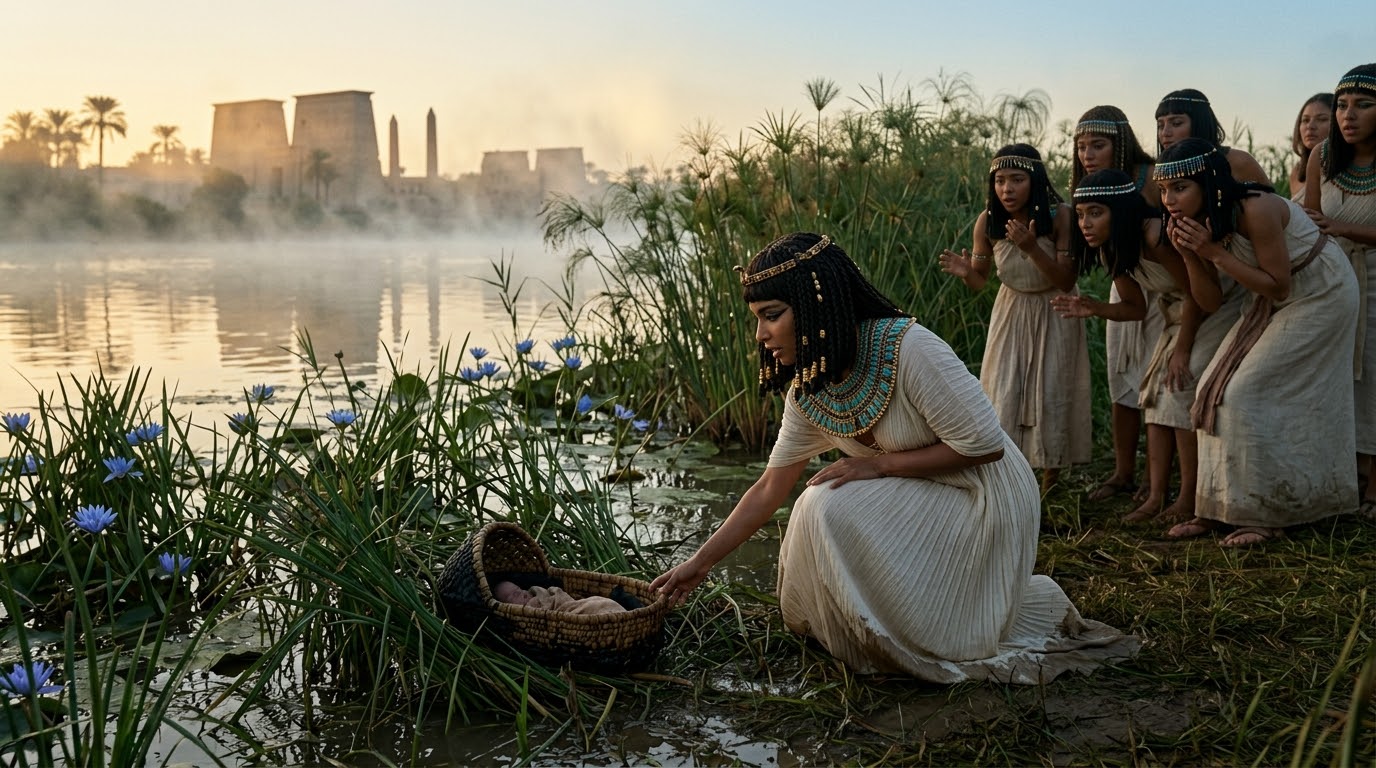
Non-player characters (NPCs) and community interactions can significantly enrich the player’s experience of the plagues. These characters can serve as conduits for storytelling, offering diverse perspectives and personal stakes. An NPC might be a Hebrew slave questioning their faith, an Egyptian official struggling with loyalty to the Pharaoh, or a child whose innocence is shattered by the horrors around them.
Engaging with these characters can provide players with deeper insights into the societal and personal impacts of the plagues. Through dialogue and quests, players can form relationships, witness character growth, and influence community dynamics. This approach not only adds depth to the narrative but also allows for a more nuanced exploration of the themes of suffering, resilience, and redemption.
Conclusion: A Thoughtful Representation of Divine Wrath
Designing a Moses game that captures the human experience of the Ten Plagues involves more than just recreating biblical events; it requires a thoughtful approach to storytelling, mechanics, and cultural sensitivity. By focusing on the daily struggles of ordinary people, exploring moral dilemmas, and integrating interactive elements, developers can create a game that resonates with players on both an emotional and intellectual level.
Ultimately, such a game has the potential to offer a profound reflection on the human spirit’s capacity to endure and adapt in the face of divine wrath. It invites players not just to witness history but to live it, fostering empathy and understanding through the power of interactive storytelling.