Crafting Community Resilience: Designing Quests for Survival in the Sinai Wilderness
Explore survival quests in a Moses game, focusing on community building and resource management in the Sinai wilderness.
Introduction: The Exodus and Wilderness Survival
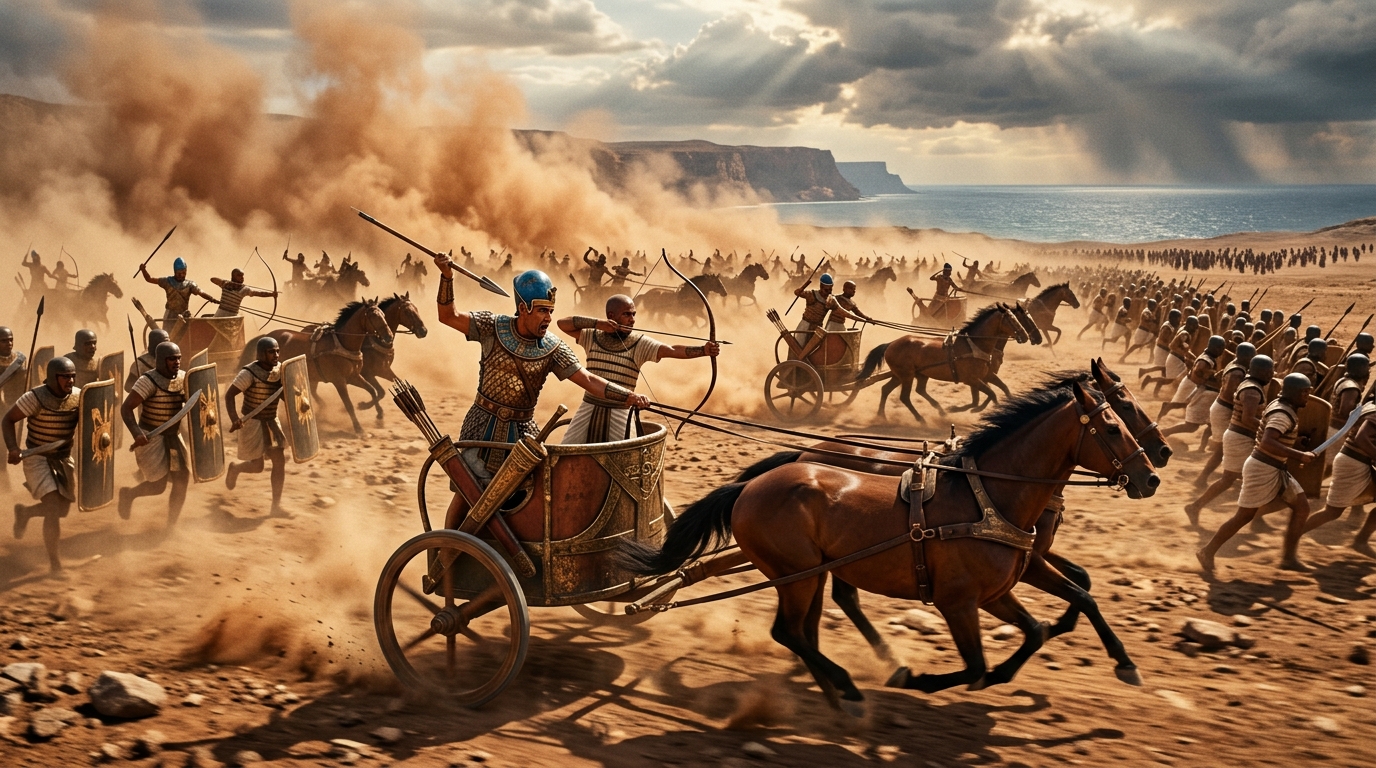
The biblical narrative of the Exodus is a story of liberation, faith, and endurance. As Moses leads the Israelites out of Egypt, they embark on a profound journey through the Sinai wilderness. This period, marked by trials and tribulations, offers a rich backdrop for a video game that seeks to explore themes of survival, community building, and resource management. By designing quests around these elements, game developers can create an immersive experience that captures the essence of the Israelites’ struggle and resilience.
Designing Engaging Survival Quests: Historical and Biblical Context
To craft engaging survival quests, it is essential to ground them in the historical and biblical context of the Exodus. The Israelites faced numerous challenges, such as scarcity of food and water, harsh climates, and the need for shelter. These elements can be woven into quest design to create a sense of urgency and realism. For instance, a quest might revolve around finding water sources in the desert, requiring players to explore the terrain and make strategic decisions on rationing limited supplies.
Drawing inspiration from historical accounts, designers can incorporate environmental hazards and resource scarcity as core mechanics. For example, players could encounter sandstorms that affect visibility and movement, or face the dilemma of choosing between immediate consumption of food versus preserving it for future needs. These challenges not only reflect the historical context but also enhance player engagement by requiring thoughtful planning and adaptability.
Community Building and Resource Management: Key Mechanics
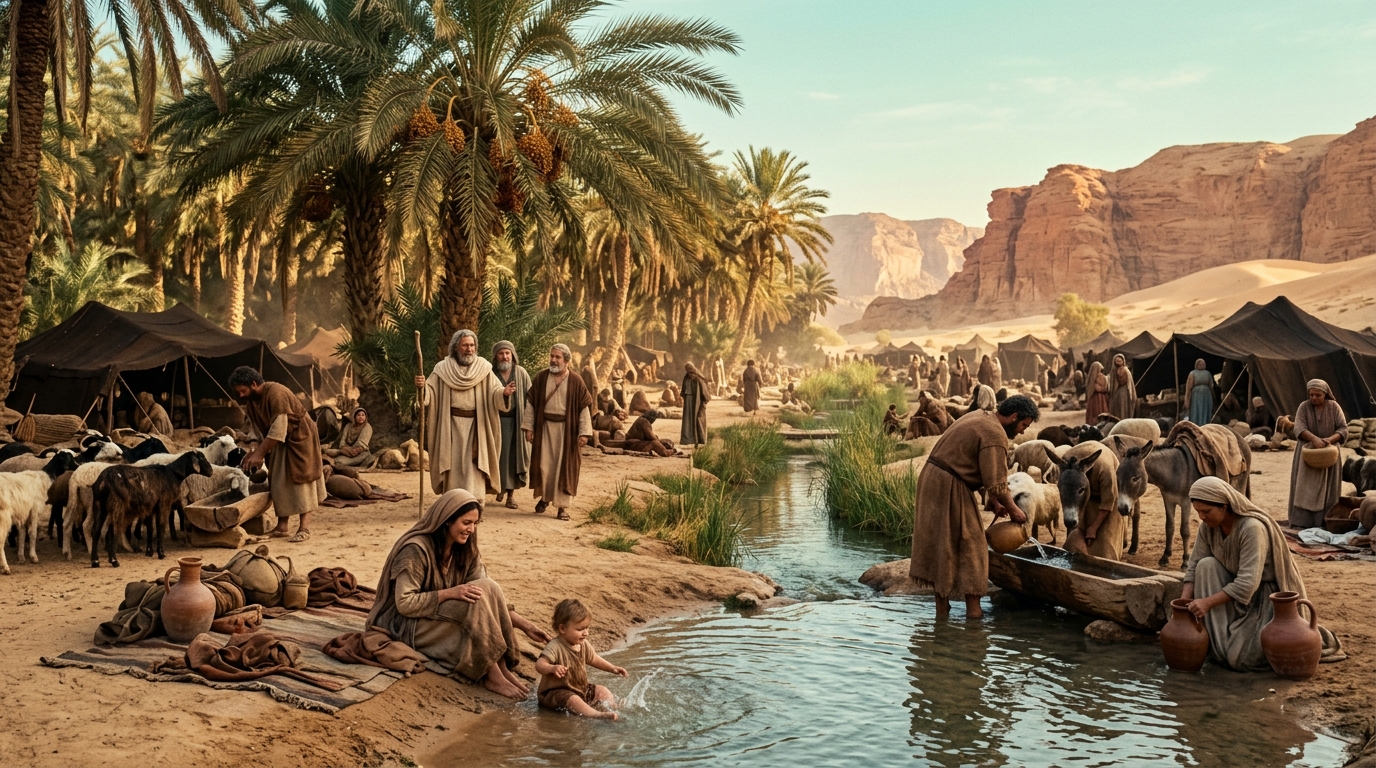
Central to the survival of the Israelites was the strength of their community. Game designers can emphasize this by integrating community-building mechanics into quests. Players could be tasked with organizing groups to gather resources, build shelters, or tend to the sick and injured. Such quests highlight the importance of cooperation and leadership, mirroring the communal efforts described in biblical accounts.
Resource management can be another pivotal aspect. Players might need to allocate resources efficiently, balancing immediate needs with long-term survival strategies. This could involve crafting tools, trading with other groups, or managing a shared inventory. By embedding these mechanics into quests, the game can simulate the complexities of sustaining a community in a hostile environment, offering players a deeper understanding of the historical challenges faced by the Israelites.
Incorporating Ethics and Player Choice into Survival Quests
Survival in the Sinai wilderness was not just a physical challenge but also a moral one. Ethical dilemmas can be woven into quests to challenge players’ decision-making skills. For instance, a quest might present a scenario where players must decide whether to share limited resources with a struggling group or conserve them for their own community’s survival. Such choices can lead to varied outcomes, encouraging players to consider the broader implications of their actions.
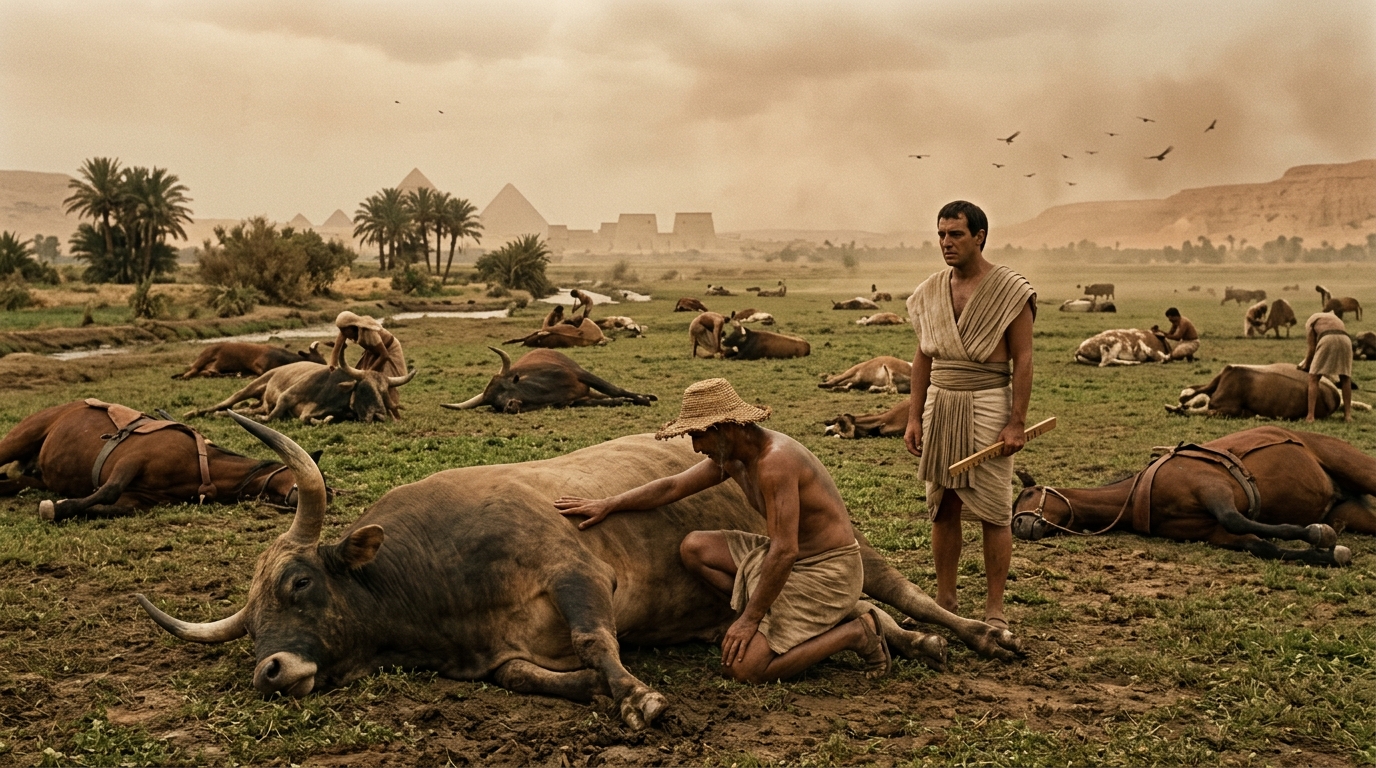
These ethical considerations can be further enriched by incorporating elements of faith and leadership. Players could face situations where they must balance practical needs with spiritual or moral imperatives, reflecting the duality of Moses’ role as both a leader and a prophet. This interplay between ethics and survival can add depth to the gameplay, prompting players to reflect on the values and priorities that guide their decisions.
The Impact of NPCs and Outcomes on Player Experience
Non-player characters (NPCs) can play a crucial role in shaping the outcomes of survival quests. By interacting with NPCs, players can gather information, form alliances, and influence the community’s morale. For instance, an NPC with knowledge of the terrain could guide players to hidden resources, while another might offer trade opportunities or insights into local customs.
The outcomes of quests can vary based on player choices and interactions with NPCs, leading to different narrative paths. This dynamic approach not only enhances replayability but also allows players to experience the consequences of their decisions in a tangible way. By fostering relationships with NPCs, players can contribute to the development of a resilient community, reflecting the collective spirit that was vital to the Israelites’ survival.
Conclusion: Enhancing Immersion through Resilient Community Dynamics
Designing quests around survival, community building, and resource management in a Moses game offers a unique opportunity to engage players with the Exodus narrative in a meaningful way. By capturing the challenges and decisions that shaped the Israelites’ journey through the Sinai wilderness, game developers can create an immersive experience that resonates with players. Through thoughtful quest design, players are invited to explore not only the historical and biblical context but also the enduring themes of resilience, cooperation, and ethical leadership.