Echoes of the Divine: Interpreting the Role of Egyptian Deities in a Moses Game
Explore how Egyptian deities can enrich a Moses game, balancing history and biblical narratives for an immersive experience.
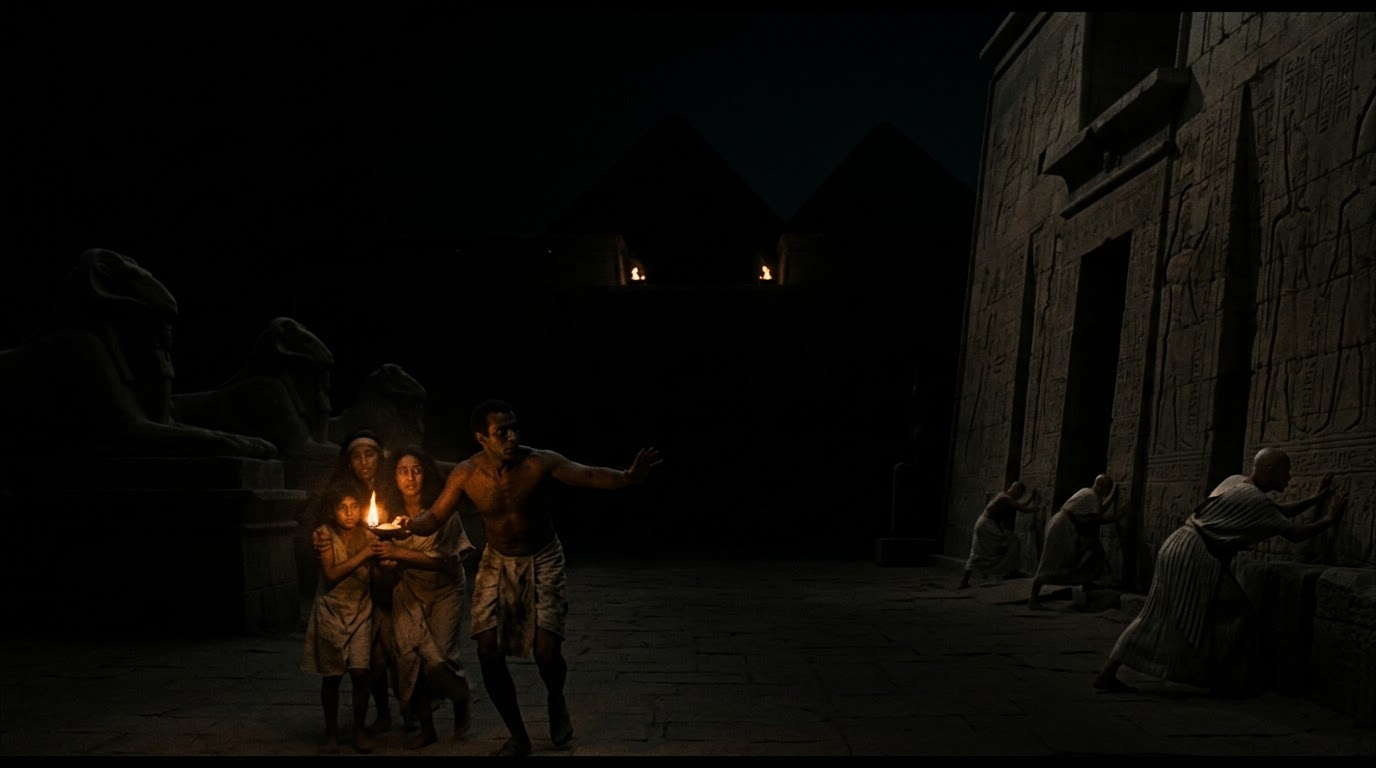
Introduction: The Intersection of Myth and History
Video games have the unique ability to bring ancient stories to life, offering interactive experiences that blend history, mythology, and narrative. A game inspired by the biblical story of Moses presents a rich tapestry of themes and characters, not least of which are the Egyptian deities that played a significant role in the cultural and spiritual life of ancient Egypt. Integrating these deities into a Moses game requires a delicate balance between historical reverence and biblical narratives, aiming to create a captivating and immersive experience that respects both traditions.
Historical Context: Understanding Egyptian Deities and Their Roles
Egyptian mythology is a complex system of beliefs that includes a pantheon of gods and goddesses, each with specific roles and attributes. Deities such as Ra, the sun god, and Osiris, the god of the afterlife, were central to the daily lives of Egyptians and their understanding of the universe. These gods were not just distant figures; they were intimately involved in the affairs of humans, influencing everything from agriculture to justice.
In the context of a Moses game, understanding these deities’ roles is crucial. The biblical narrative often depicts Egyptian gods as false idols, yet historically, they were integral to Egyptian society. A game that includes these deities must navigate this duality, portraying them with the complexity they deserve while remaining true to the biblical story.
Narrative Integration: Weaving Deities into the Story
Incorporating Egyptian deities into the game’s narrative can enhance worldbuilding and deepen character motivations. For instance, the plagues of Egypt—a core element of the Exodus story—could be framed as a divine contest between the God of Israel and the Egyptian pantheon. Each plague could symbolize a challenge to a specific deity, illustrating the power struggle between Moses and Pharaoh’s spiritual advisors.
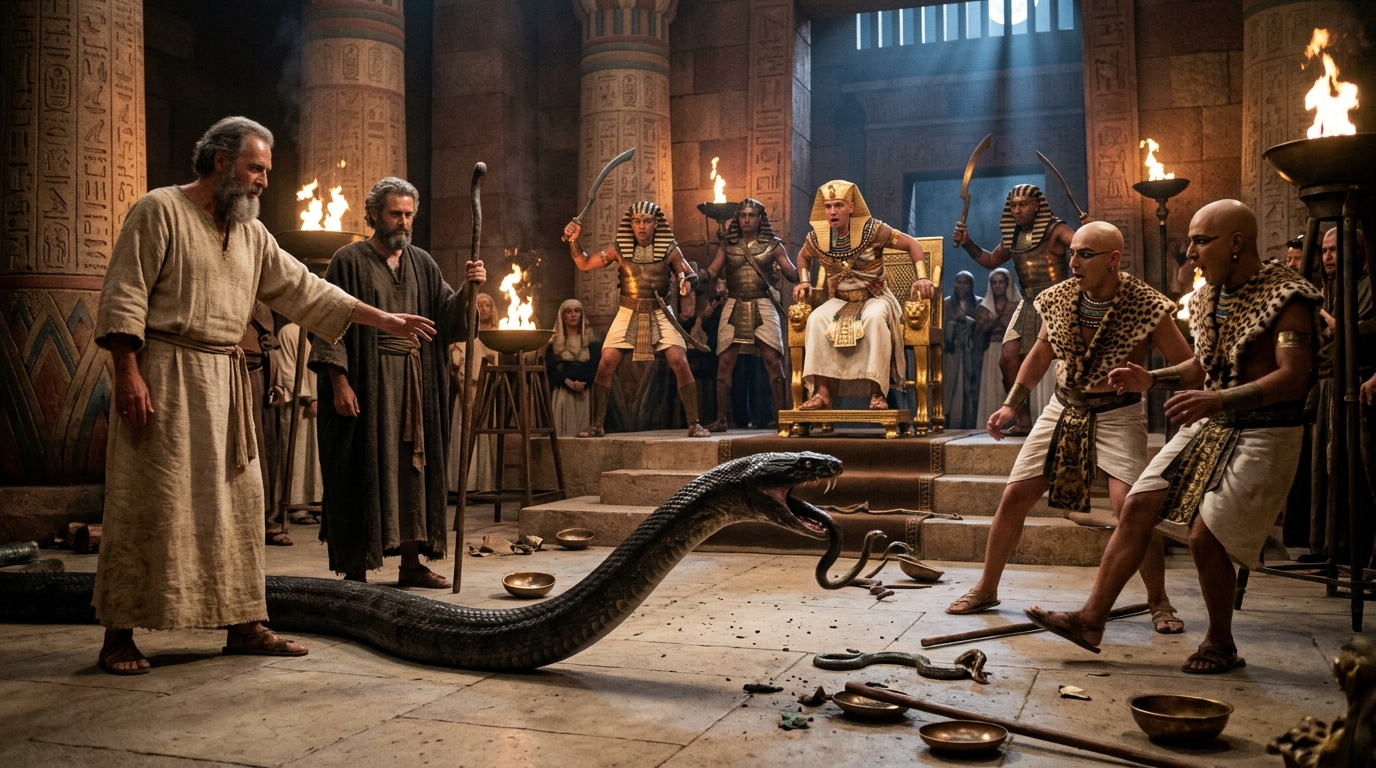
Moreover, Egyptian gods could serve as narrative catalysts, influencing key characters and events. A priest of Ra might oppose Moses, providing a human face to the divine conflict. Alternatively, a sympathetic Egyptian character could question their faith, providing a nuanced perspective on the impact of Moses’s mission on ordinary Egyptians.
Gameplay Mechanics: Interactions with the Divine
Gameplay mechanics involving Egyptian deities could offer players meaningful choices and consequences. Consider a system where players must navigate moral and spiritual dilemmas, choosing whether to respect or defy the gods. Such decisions could impact the story’s progression and the player’s relationship with both Egyptian and Hebrew characters.
These interactions could also manifest through environmental puzzles or quests. For example, a player might need to appease a particular deity to progress, requiring them to learn about Egyptian customs and beliefs. This approach not only enriches the gameplay but also educates players about the historical context of the period.
Challenges and Considerations: Balancing Respect and Creativity
Depicting Egyptian deities in a Moses game presents several challenges. First, there is the risk of misrepresentation, which can offend those who hold these beliefs in high regard. Developers must approach these figures with sensitivity, ensuring their portrayal is both respectful and informed by historical scholarship.
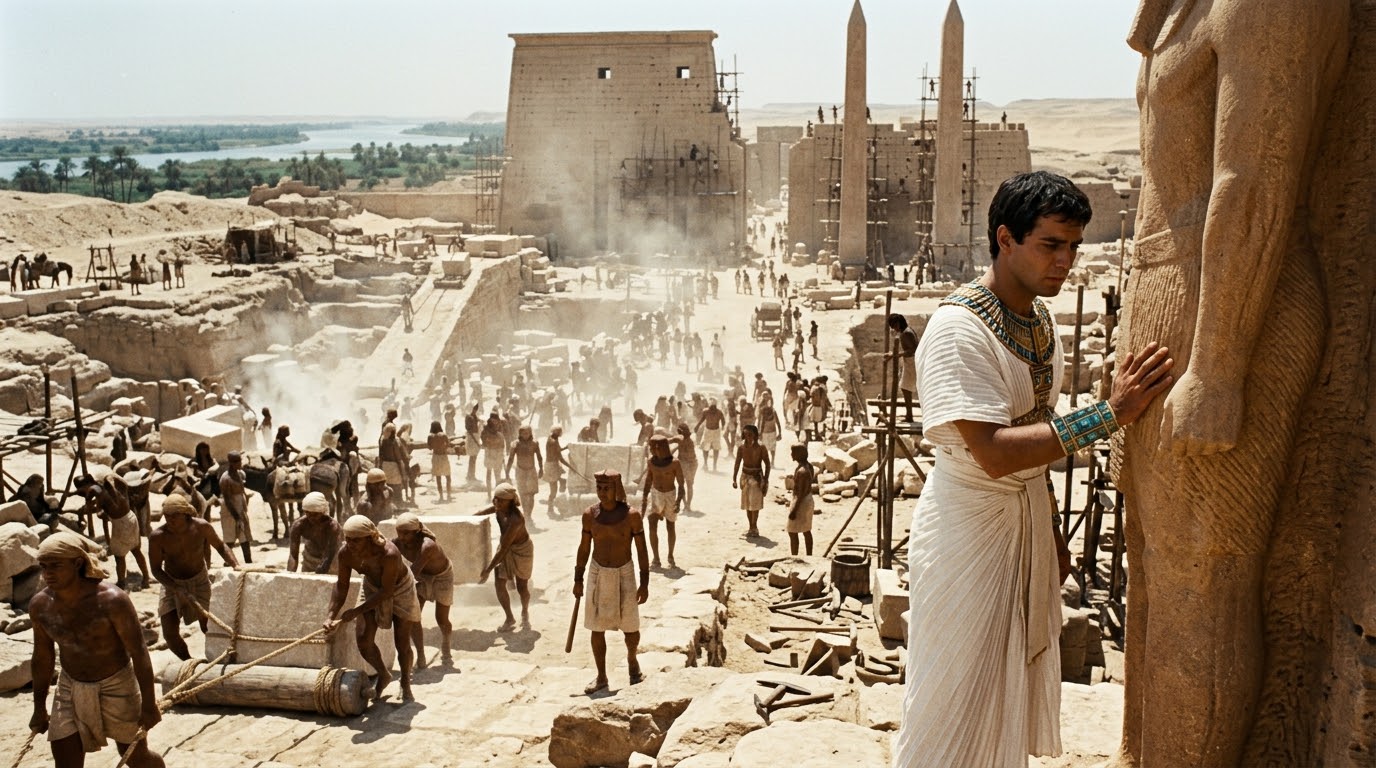
Additionally, there is the challenge of maintaining narrative cohesion. The game must balance the biblical account, which often portrays Egyptian deities in opposition to the God of Israel, with a more nuanced representation that acknowledges their historical significance. This requires creative storytelling and a deep understanding of both traditions.
Finally, player agency is a crucial consideration. The game should empower players to explore different paths and outcomes, reflecting the diverse interpretations of these ancient stories. This approach not only enhances replayability but also invites players to engage critically with the source material.
Conclusion: Crafting a Meaningful Experience
The integration of Egyptian deities into a Moses game offers a unique opportunity to enrich the narrative and engage players with the ancient world’s spiritual landscape. By respecting both historical and biblical narratives, developers can create a game that is not only entertaining but also educational and thought-provoking.
Ultimately, the success of such a game hinges on its ability to balance respect for the source material with creative freedom. By doing so, it can offer players a meaningful experience that resonates with the timeless themes of faith, power, and liberation, echoing through the ages.