Bringing Egyptian Harbors to Life: The Role of River Trade in a Moses Game
Explore Egyptian harbors and river trade as dynamic elements in a Moses game, enhancing narrative and world-building.
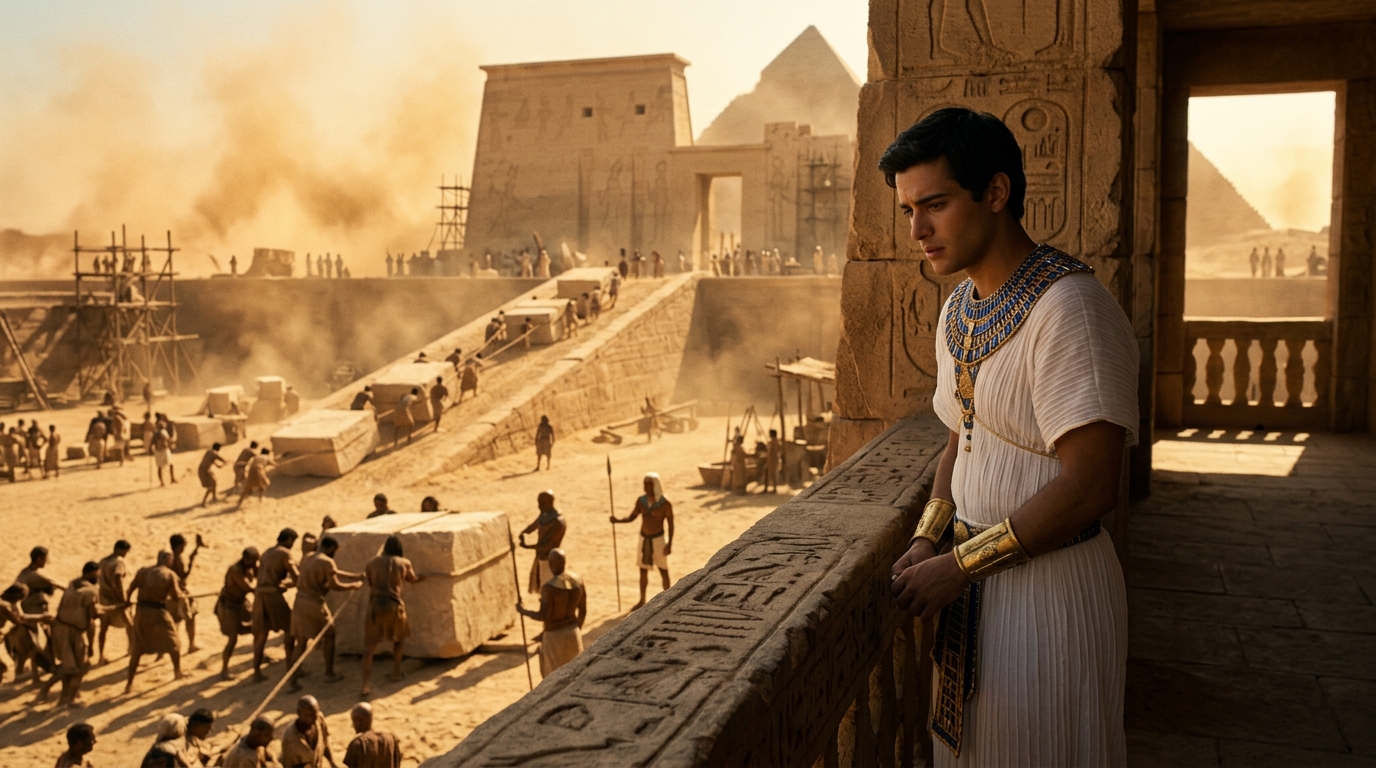
Introduction: The Importance of River Trade in Ancient Egypt
Ancient Egypt is often romanticized through its monumental architecture and dramatic historical events, but the lifeblood of its civilization was the Nile River. Central to the daily life and economy of Ancient Egypt, the Nile facilitated a sophisticated network of harbors and trade routes that connected communities and enabled commerce. For a video game inspired by the story of Moses, incorporating these elements offers a unique opportunity to enrich the narrative and create a living, breathing world.
River trade in Ancient Egypt was not just about the exchange of goods; it was a vital aspect of societal interaction and economic prosperity. Harbors along the Nile served as bustling hubs of activity, where traders, craftsmen, and travelers converged. By focusing on these dynamic environments, a Moses game can offer players a window into the economic and social fabric of the time, providing a deeper understanding of the setting and its people.
Designing Interactive Harbors: Mechanics and Possibilities
The design of interactive harbors in a Moses game can transform these locations into vibrant spaces of engagement. Imagine a game where players can navigate bustling docks, negotiate trade deals, and interact with a diverse cast of characters, each with their own stories and agendas. Such mechanics can be inspired by successful trade systems in other games, where players manage resources, build relationships, and influence the economy.

For instance, players might engage in bartering, acquiring essential goods for their journey or aiding others in need. This could involve negotiating with merchants, managing supply chains, or even participating in the construction of boats and docks. These activities not only provide gameplay depth but also serve as educational tools, illustrating the complexity and significance of river trade in ancient times.
Narrative Potential: Using Harbors to Enhance Storytelling
Harbors can serve as key narrative devices within a Moses game, offering rich storytelling opportunities. They can act as settings for pivotal plot developments, such as clandestine meetings, escapes, or divine interventions. By integrating harbors into the narrative, the game can explore themes of freedom, migration, and community, mirroring the broader biblical narrative of Exodus.
Imagine a quest where players must secure safe passage for a group of refugees, navigating the challenges of river travel while avoiding detection by hostile forces. Such scenarios not only enhance the drama but also highlight the strategic importance of harbors and waterways in the ancient world. The narrative potential here is vast, allowing players to experience the tension and triumphs of the Exodus story in a new light.
World-Building: Creating a Living Economy and Society
To truly bring Ancient Egypt to life, a Moses game must create a believable and immersive world. By incorporating a dynamic economic system centered around river trade, developers can simulate the ebb and flow of daily life in a thriving civilization. This involves not just trade mechanics but also the depiction of cultural practices, social hierarchies, and the impact of trade on various aspects of life.
Players might witness the seasonal flooding of the Nile, which influenced agricultural cycles and trade patterns. They could engage with local artisans, participate in festivals, or experience the political machinations of regional leaders. Such interactions would provide a richer, more nuanced portrayal of Ancient Egypt, allowing players to engage with the world beyond the confines of the main narrative.
Challenges and Considerations: Balancing Historical Accuracy with Gameplay
While the inclusion of Egyptian harbors and river trade offers exciting possibilities, it also presents challenges. Balancing historical accuracy with engaging gameplay requires careful consideration. Developers must ensure that the depiction of trade goods, navigation, and harbor infrastructure is grounded in historical evidence, yet flexible enough to accommodate creative storytelling.
Moreover, the game must navigate the complexities of representing ancient cultures with respect and sensitivity. This involves avoiding stereotypes and ensuring that the portrayal of Egyptian society is as diverse and dynamic as it was historically. By addressing these challenges, a Moses game can offer players an authentic and immersive experience, one that respects the richness of ancient history while providing compelling gameplay.
Ultimately, by focusing on the often-overlooked aspects of Egyptian harbors and river trade, developers can create a Moses game that is not only entertaining but also educational and enlightening. This approach not only enriches the game’s world and narrative but also invites players to explore the intricate tapestry of life along the Nile, offering a fresh perspective on one of history’s most enduring stories.