The Egyptian Princess: Crafting a Nuanced Character in a Moses Game
Explore the Egyptian princess’s role in a Moses game, enhancing narrative depth and character development.
Introduction: The Role of the Egyptian Princess
In the rich tapestry of the biblical Exodus narrative, the Egyptian princess who rescues Moses from the Nile is a figure shrouded in mystery and potential. While her appearance in the biblical text is brief, her actions set the stage for one of the most pivotal stories in religious history. In a video game inspired by this narrative, the princess offers a unique opportunity for character development, allowing game designers to explore themes of loyalty, identity, and cultural tension. By expanding her role, developers can create a nuanced character who not only influences Moses’s journey but also adds layers of political intrigue and emotional depth to the game’s storytelling.
Historical and Biblical Context
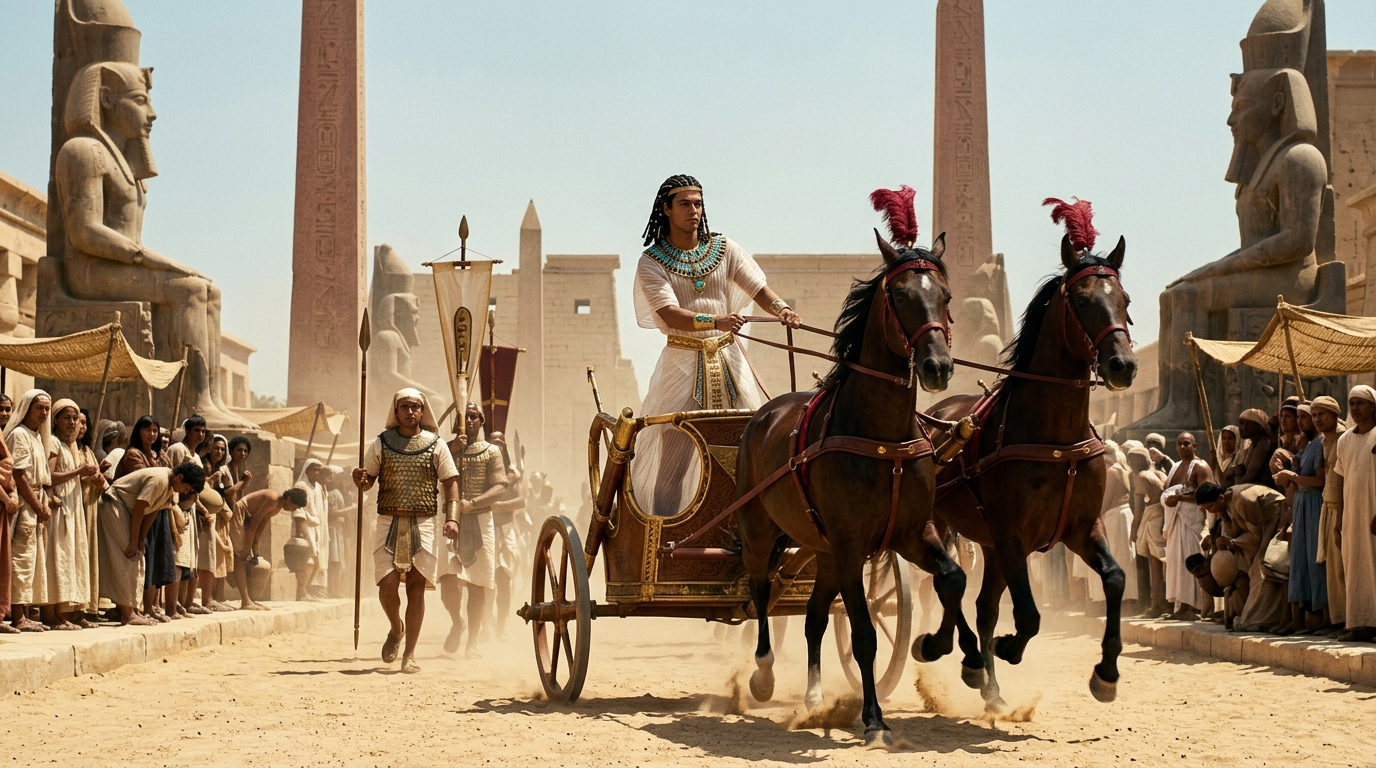
The Egyptian princess, often identified as Pharaoh’s daughter, is mentioned in the Book of Exodus. She discovers the infant Moses floating in a basket along the Nile and decides to raise him as her own. This act of compassion is her sole biblical appearance, leaving much about her personality and motivations to the imagination. Historically, royal women in Ancient Egypt held significant influence and could wield considerable power within the court. Their roles, often documented through hieroglyphs and artifacts, suggest a life filled with both privilege and responsibility.
Understanding the societal context of Ancient Egypt can inform the princess’s portrayal in a game. Royal women were often involved in religious and political affairs, and their actions could have far-reaching implications. This historical backdrop provides fertile ground for developing her character beyond the biblical narrative, allowing for an exploration of her internal conflicts and societal challenges.
Character Development in a Game Setting
In a video game setting, the Egyptian princess can be more than just a pivotal figure in Moses’s early life. She can be a dynamic character with her own narrative arc, motivations, and development. Designers might explore her background, her relationship with Pharaoh, and her personal beliefs and values. Her decision to save Moses could be depicted as a courageous act of defiance against cultural norms, setting her on a path of personal growth and transformation.
To craft a compelling character, developers could draw on historical accounts of Egyptian royal life, considering how her status might influence her actions and decisions. Was she driven by a desire to nurture, a challenge to her father’s authority, or perhaps a deeper spiritual calling? These questions open up narrative possibilities that can enrich the game’s story and engage players on a deeper level.
Narrative and Gameplay Opportunities
Expanding the Egyptian princess’s role in the game offers numerous narrative and gameplay opportunities. Her interactions with Moses could be pivotal in shaping his character and destiny. As a mentor or protector, she might guide him through the complexities of Egyptian court life, teaching him skills that players can use in later stages of the game.
Moreover, her presence introduces potential conflicts and alliances within Egyptian society. As a royal figure who defies her father’s edicts, she could face political intrigue, family tensions, and societal pressures. These elements can be woven into the gameplay, allowing players to make choices that affect the outcome of her story and the broader narrative. For instance, players might decide whether she allies with Moses’s Hebrew family or remains loyal to her Egyptian roots, each choice leading to different consequences and story paths.
Thematic Exploration Through the Princess’s Story
The Egyptian princess’s character development can also serve as a lens through which to explore broader themes of identity, loyalty, and cultural tension. Her story is one of crossing boundaries—between Egyptian and Hebrew, royalty and commoner, tradition and change. By navigating these themes, players can engage with the complex dynamics of cultural identity and personal conviction.
Her internal struggle and growth can mirror the larger narrative of the Exodus, offering players a parallel story of liberation and self-discovery. Through her eyes, players can experience the challenges of balancing personal beliefs with societal expectations, a theme that resonates with many contemporary issues.
Conclusion: Crafting a Memorable Supporting Character
By reimagining the Egyptian princess as a fully-fledged character, game designers have the opportunity to add significant depth to a Moses-inspired video game. Her story can enrich the narrative, providing players with a complex and engaging character who embodies the themes of loyalty, identity, and cultural tension. As a character who defies expectations and navigates the intricate dynamics of Egyptian society, the princess can become a memorable and influential figure in the game, enhancing both the storytelling and the player’s journey through this ancient world.