Engineering the Exodus: Designing Dynamic Water Mechanics for the Red Sea Crossing
Explore the challenges of creating dynamic water mechanics for the Red Sea crossing in a Moses game, enhancing player experience and narrative depth.

Introduction: The Significance of the Red Sea Crossing
The crossing of the Red Sea is one of the most dramatic events in the biblical narrative of Exodus. It serves as a climactic moment where Moses leads the Israelites out of Egypt, escaping Pharaoh’s army through a miraculous parting of the sea. Translating this epic tale into a video game presents unique challenges and opportunities for game developers, particularly in creating an interactive experience that captures the scale and emotional weight of the event. This article explores how dynamic water mechanics can be engineered to enhance player engagement and narrative depth in a Moses-inspired game.
Water Mechanics: From Reality to Interactive Experience
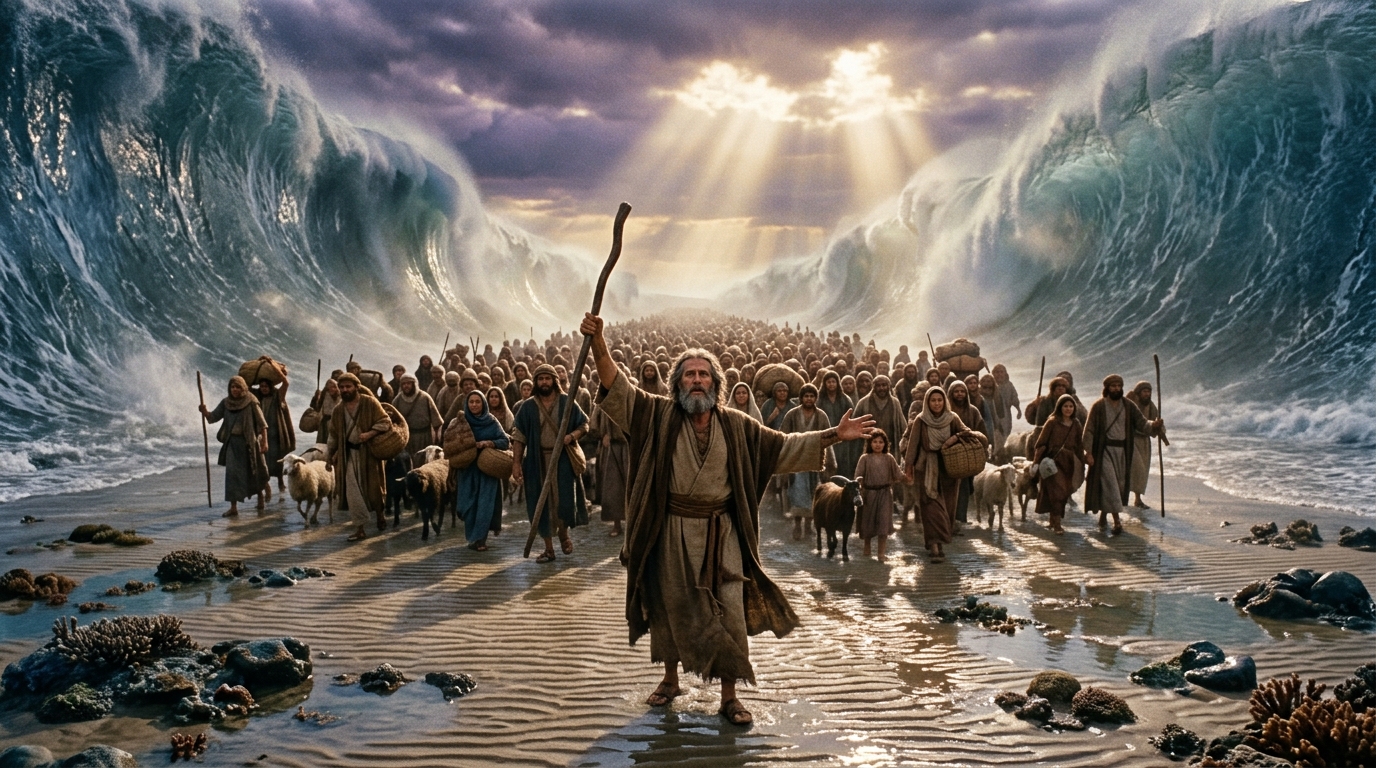
At the heart of recreating the Red Sea crossing lies the challenge of developing realistic and interactive water mechanics. In recent years, advancements in water physics technology have allowed games to simulate fluid dynamics with increasing accuracy. However, the Red Sea crossing demands more than just realistic water; it requires the ability to part and reform the sea dynamically in response to player actions and narrative triggers.
Developers can draw inspiration from games like Sea of Thieves and Subnautica, which have successfully integrated water as a core gameplay element. By employing sophisticated physics engines, developers can simulate the movement and behavior of water, creating a visually striking parting of the sea that reacts to environmental conditions and player interactions. This not only enhances the realism of the event but also allows players to feel a direct connection to the unfolding miracle.
Player Agency and Narrative Impact
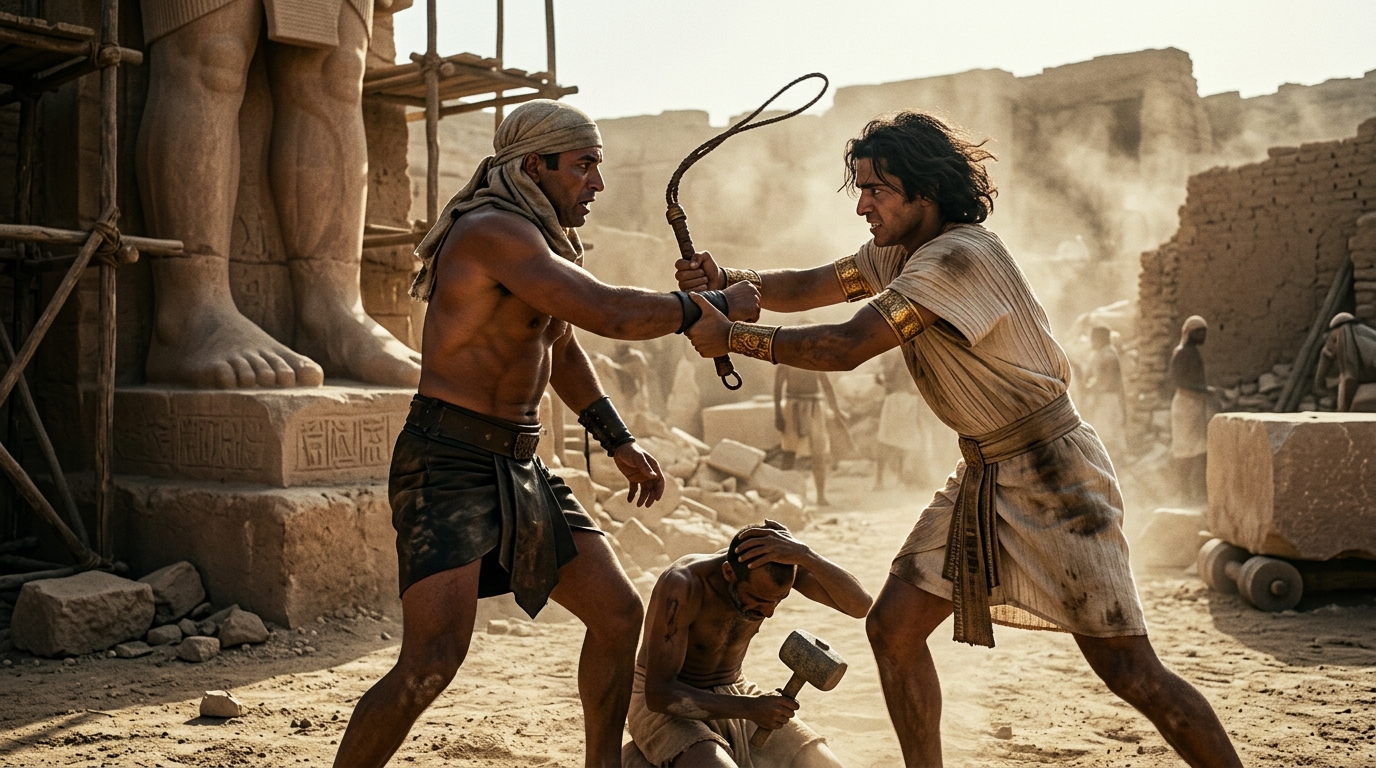
A key consideration in designing the Red Sea crossing is balancing player agency with the scripted nature of the biblical event. While the narrative dictates that the sea parts at Moses’ command, developers can introduce elements of player choice to deepen engagement. For instance, players might need to strategically time the crossing to avoid incoming Egyptian forces or decide how to lead the Israelites through the parted waters.
These decisions can impact the narrative, offering multiple outcomes based on player actions. This approach not only respects the source material but also empowers players to experience the story in a personal and dynamic way, increasing the emotional investment in the journey.
Integrating Environmental Puzzles and Challenges
To build tension and engagement, environmental puzzles can be integrated before and after the crossing. Prior to the event, players could face challenges such as finding the safest path through the desert, managing resources, and avoiding natural obstacles. These tasks would heighten the urgency and stakes of the imminent crossing.
Post-crossing, players might encounter puzzles related to the reformation of the sea, such as rescuing stragglers or retrieving lost supplies before the waters close. These elements not only enhance gameplay but also reflect the logistical and survival challenges faced by the Israelites, grounding the miraculous event in a relatable human context.
The Role of Sound and Visual Design
Sound and visual design play crucial roles in conveying the monumental scale and emotional weight of the Red Sea crossing. The roar of the parting waters, the cries of the Israelites, and the distant thunder of Pharaoh’s approaching chariots can be orchestrated to create a soundscape that immerses players in the moment.
Visually, the game can utilize lighting, weather effects, and terrain design to enhance the drama of the crossing. The stark contrast between the dry seabed and the towering walls of water creates a visually arresting scene that underscores the miraculous nature of the event. Dynamic lighting and particle effects can further emphasize the tension and urgency of the crossing, ensuring it remains a memorable highlight of the game.
Conclusion: Crafting a Memorable Interactive Climax
The Red Sea crossing is more than just a historical or religious event; it is a narrative climax that offers rich potential for interactive storytelling. By leveraging dynamic water mechanics, player agency, environmental puzzles, and immersive sound and visual design, developers can craft an experience that resonates with players on both an emotional and intellectual level. Such an approach not only honors the source material but also elevates the gaming experience, allowing players to live through one of the most iconic moments in biblical history.