The Hermits of Sinai: Understanding Ascetic Life During Moses’ Era
Explore ascetic communities in Sinai during Moses’ time for richer game narratives.
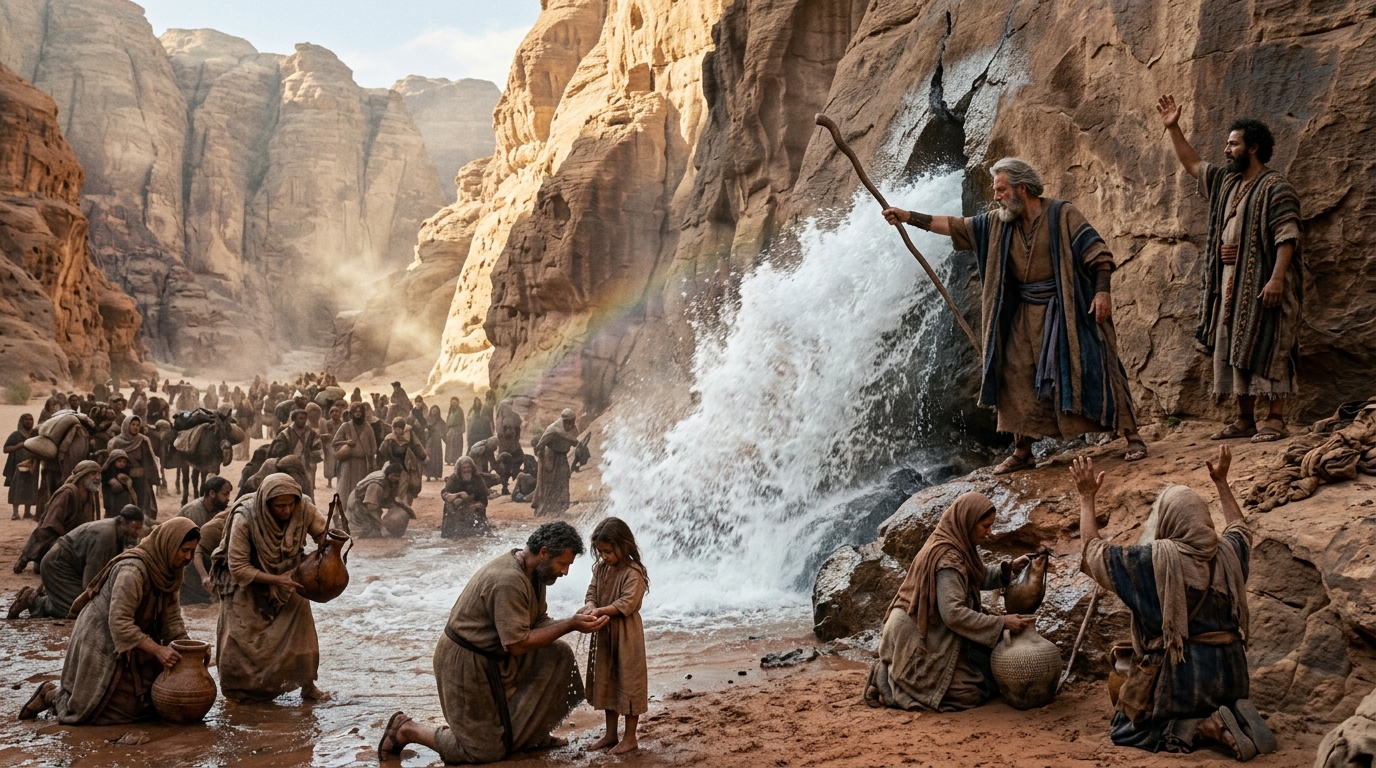
Introduction: Setting the Scene
In the realm of video game development, particularly those that delve into historical and biblical narratives, the challenge is to create an authentic and engaging world. A Moses-inspired game offers a unique opportunity to explore the rich tapestry of Ancient Egypt and the Exodus. While the dramatic exodus and miraculous events are well-trodden paths, there’s a lesser-known aspect that could add depth and intrigue: the ascetic communities and hermits of the Sinai Peninsula. These enigmatic figures can provide a captivating backdrop for the game’s narrative, enhancing both the story and the player’s experience.
Historical and Biblical Context of Sinai
The Sinai Peninsula is not just a barren expanse of desert; it’s a land with a complex history that intersects with various cultures and religions. During the time traditionally associated with Moses, the region was a crossroads of trade and cultural exchange. While the biblical narrative primarily focuses on the journey of the Israelites, historical and archaeological evidence suggests the presence of diverse groups, including ascetic communities.
Asceticism, characterized by a lifestyle of severe self-discipline and abstention from worldly pleasures, was not unique to any single culture. Ancient Egypt, with its rich spiritual traditions, had its own versions of ascetic practices. Although direct evidence of specific hermit communities in Sinai during Moses’ era is sparse, the region’s harsh environment and historical role as a place of retreat and reflection make it a plausible setting for such lifestyles. The biblical texts, while not explicitly mentioning hermits in Sinai, do highlight wilderness experiences as transformative, such as Moses’ own encounter with the burning bush.
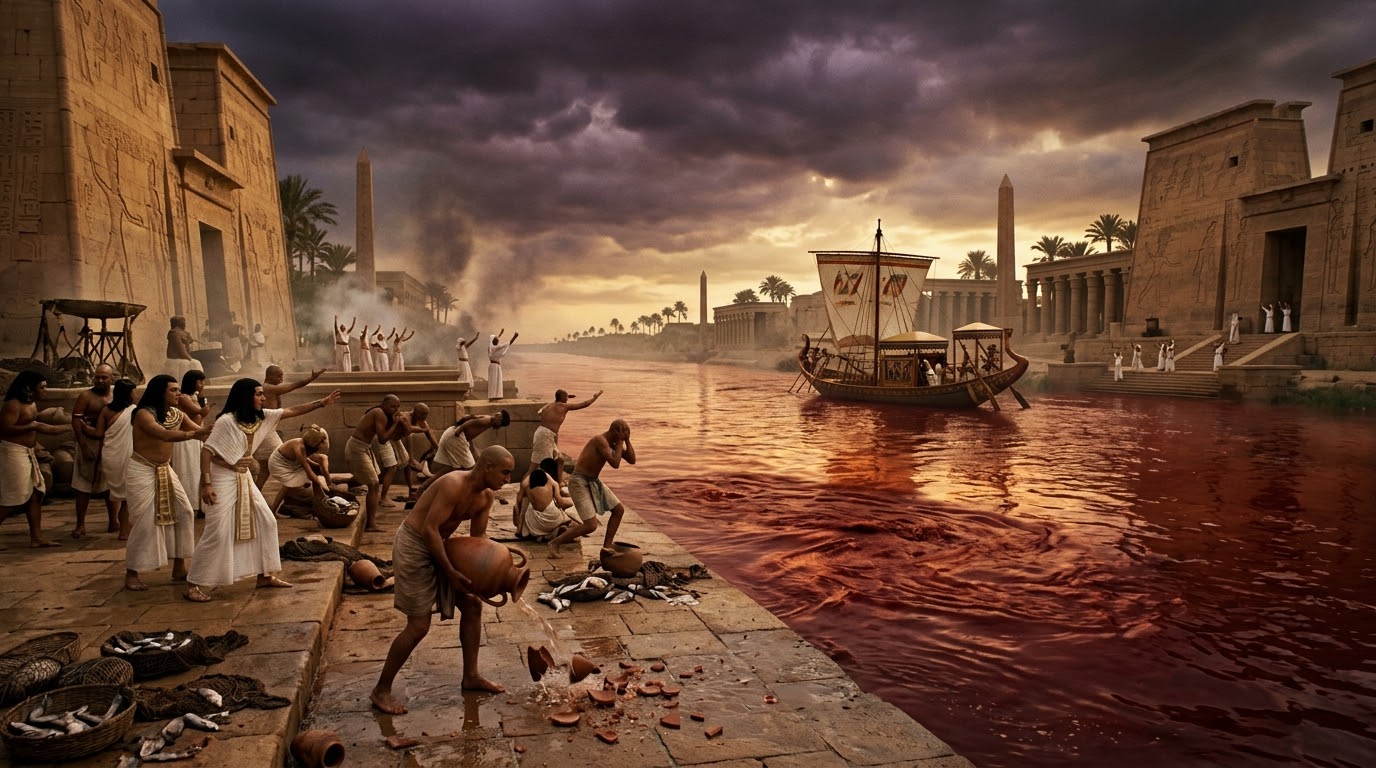
The Role of Ascetic Communities in Ancient Narratives
Ascetic communities have long been a part of religious and cultural narratives. In many traditions, hermits are seen as seekers of truth, wisdom, and spiritual enlightenment. Their presence in a Moses game could serve as a narrative device to explore themes of solitude, introspection, and divine inspiration. These communities could be depicted as keepers of ancient knowledge or as guides for the protagonist, offering insights that are crucial for the journey ahead.
The inclusion of ascetic figures can also reflect the broader cultural and religious exchanges of the time. By portraying hermits who have adopted practices from surrounding regions, the game can highlight the interconnectedness of ancient societies. This can add authenticity and depth to the game’s world, allowing players to experience a more nuanced understanding of the era.
Integrating Hermits into Game Storytelling and Mechanics
Incorporating hermits and ascetic communities into a Moses game offers rich storytelling and gameplay possibilities. These figures could serve as quest-givers, offering tasks that require the player to engage with the spiritual and material challenges of the desert. For example, a hermit might task the player with finding a sacred relic, navigating treacherous terrain, or solving riddles that unlock deeper truths about the world.
Mechanically, hermits could introduce unique gameplay elements such as meditation or vision quests, where players enter a trance-like state to gain insights or unlock new abilities. This not only enriches the narrative but also provides a break from traditional combat-focused gameplay, encouraging players to explore and reflect.
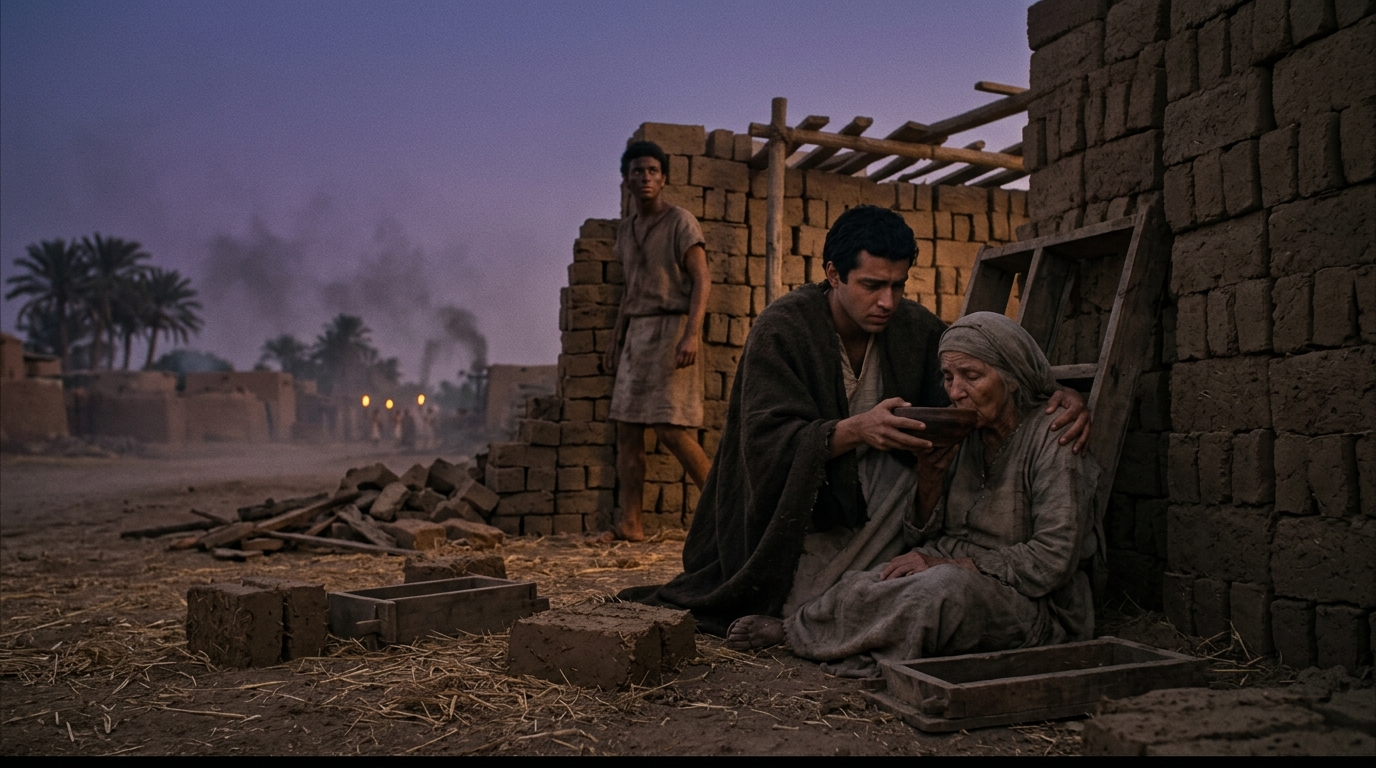
Furthermore, the presence of ascetic communities could influence the game’s environmental design. Their settlements, humble and integrated into the landscape, could serve as safe havens or points of interest, inviting players to explore and uncover hidden stories and lore.
Challenges and Creative Opportunities for Developers
Developing a game that accurately and sensitively portrays ascetic life during Moses’ era presents both challenges and opportunities. One of the primary challenges is ensuring historical and cultural accuracy without relying on stereotypes or anachronisms. Developers must carefully research the historical context and consult with scholars to create a believable and respectful depiction of these communities.
However, this challenge is also an opportunity to innovate in game design. By focusing on lesser-known historical elements, developers can create a unique gaming experience that stands out in a crowded market. The integration of ascetic communities allows for diverse storytelling and gameplay mechanics, appealing to players seeking both educational and immersive experiences.
Ultimately, by weaving the presence of hermits and ascetic communities into the narrative fabric of a Moses game, developers can offer players a richer, more complex understanding of the ancient world. This approach not only enhances the game’s authenticity but also invites players to engage with the story on a deeper level, exploring themes of faith, solitude, and the search for meaning in a way that resonates with the biblical narrative.