The Silent Suffering: Exploring the Human Impact of Egypt’s Plagues in a Moses Game
Explore the human impact of Egypt’s plagues in a Moses game, focusing on societal disruptions and personal stories beyond divine spectacle.
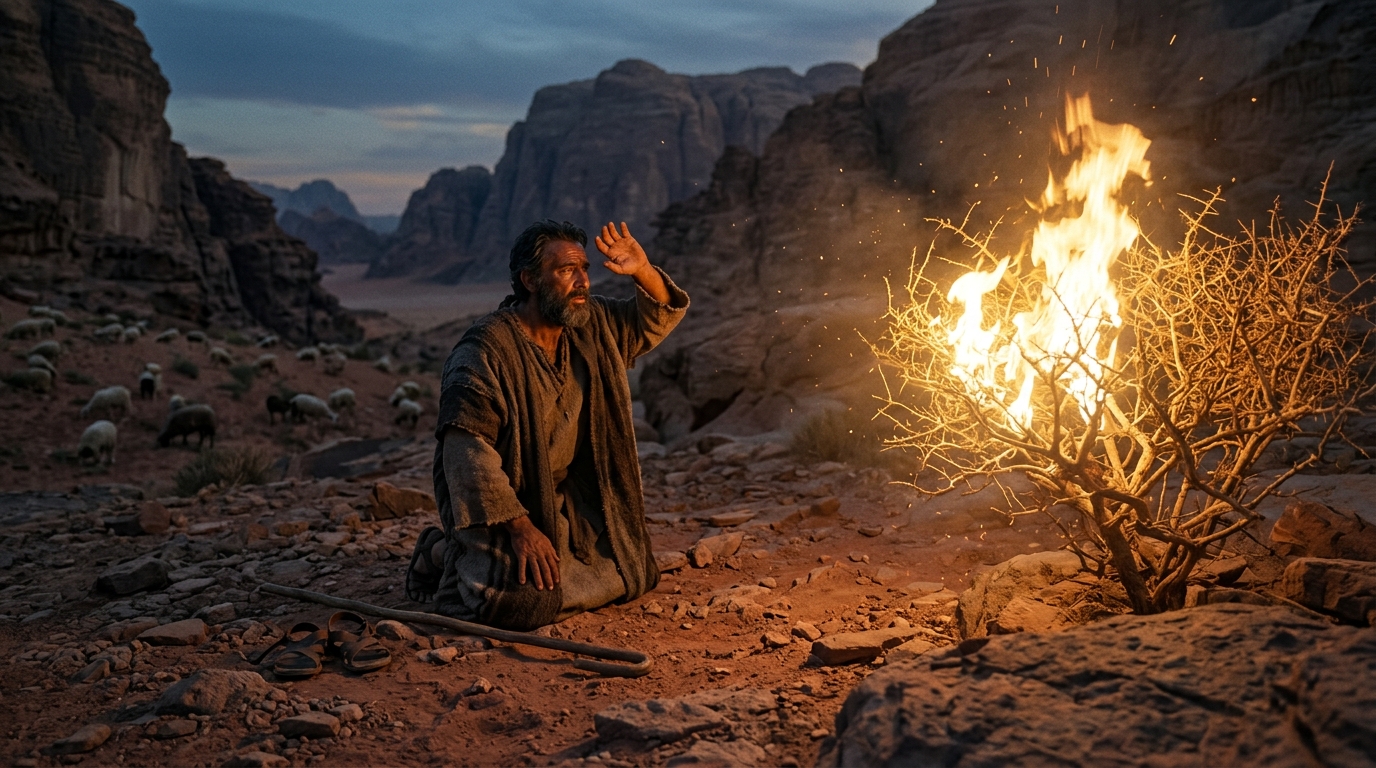
Introduction: Setting the Stage for the Plagues
In the realm of historical and narrative-driven video games, the story of Moses and the Exodus from Egypt offers a rich tapestry of themes and events, particularly the Ten Plagues. These divine interventions are often depicted as grand spectacles, but a deeper exploration reveals a world of human suffering, resilience, and societal upheaval. A Moses game that delves into these aspects could provide players with a profound understanding of the plagues’ impact beyond their biblical grandeur.
Humanizing the Divine: Personal Stories from Plague-Stricken Egypt
To truly engage players, a Moses game must humanize the biblical narrative by focusing on the personal stories of those affected by the plagues. While the plagues are described in the Bible as divine judgments, they also represent periods of intense human struggle. Imagine a subplot involving an Egyptian family trying to survive the devastation of their livestock or a Hebrew slave witnessing the transformation of the Nile into blood, not just as a miracle, but as a life-altering event.
These stories can be woven into the game’s narrative through side quests and character interactions, allowing players to experience the emotional weight of these events. By meeting characters whose lives are irrevocably changed by the plagues, players can gain empathy and understanding, transforming the game from a simple retelling of biblical events into an immersive exploration of human endurance.
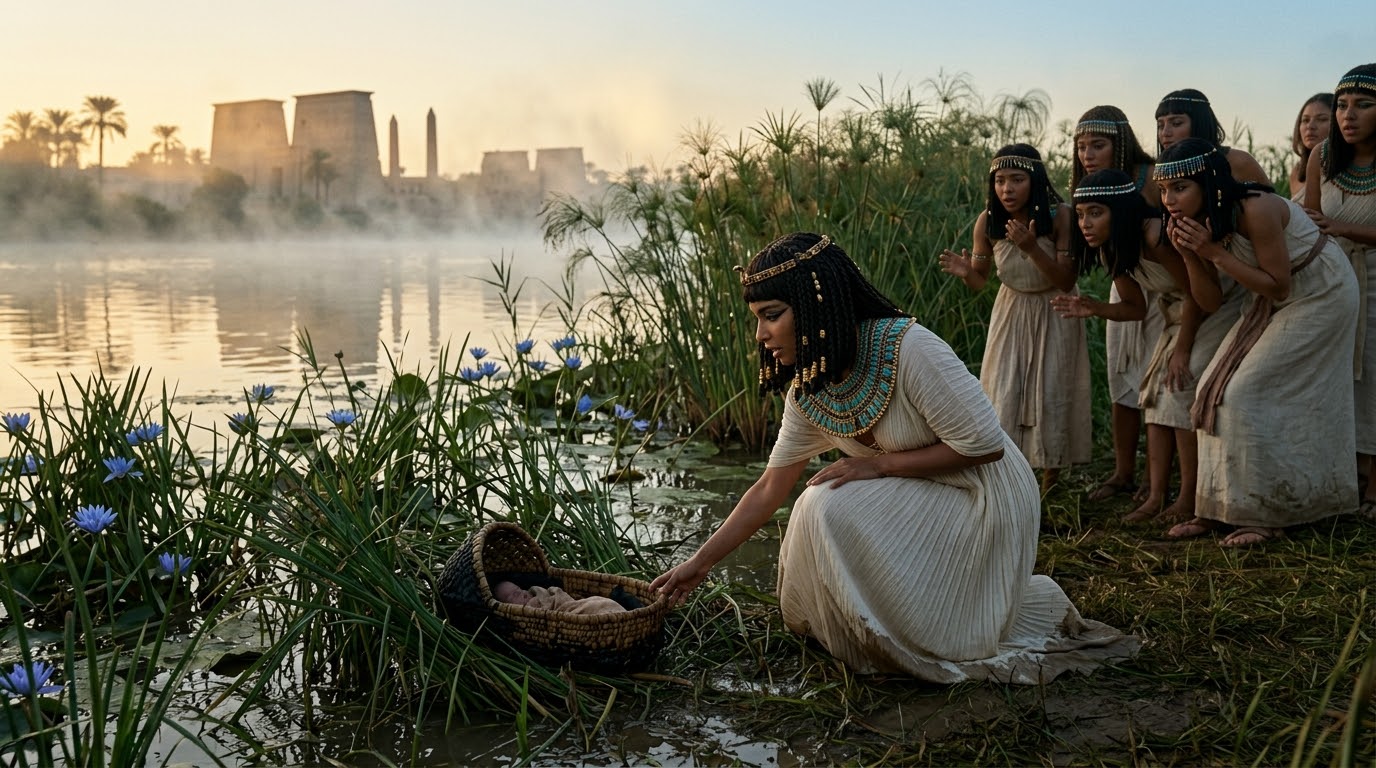
Environmental and Societal Changes: From Nile to Desolation
The plagues brought about dramatic environmental changes that could be effectively integrated into the game’s world-building. The transformation of the Nile into blood, the invasion of locusts, and the darkness that enveloped the land are not just divine acts but catalysts for societal disruption. A game could depict these changes dynamically, altering the landscape and affecting gameplay directly.
Players might navigate through a barren landscape where once-fertile fields have been ravaged by locusts, or they could face challenges in resource management as food becomes scarce. These environmental shifts would not only serve as backdrops but as integral elements of gameplay, forcing players to adapt and make strategic decisions.
Game Design Mechanics: From Survival Challenges to Ethical Quests
Incorporating the human impact of the plagues into game mechanics can elevate the player’s experience. Survival challenges could include gathering scarce resources or finding safe havens from the chaos. Moreover, ethical quests could be introduced, where players must decide whether to help affected families or prioritize their community’s needs.
These decisions could affect the game’s outcome, encouraging players to weigh their choices carefully. For instance, aiding an Egyptian village might foster goodwill and alliances, while neglecting them could lead to further societal breakdown. Such mechanics would engage players in a moral exploration of the narrative, making them active participants in the story rather than mere observers.
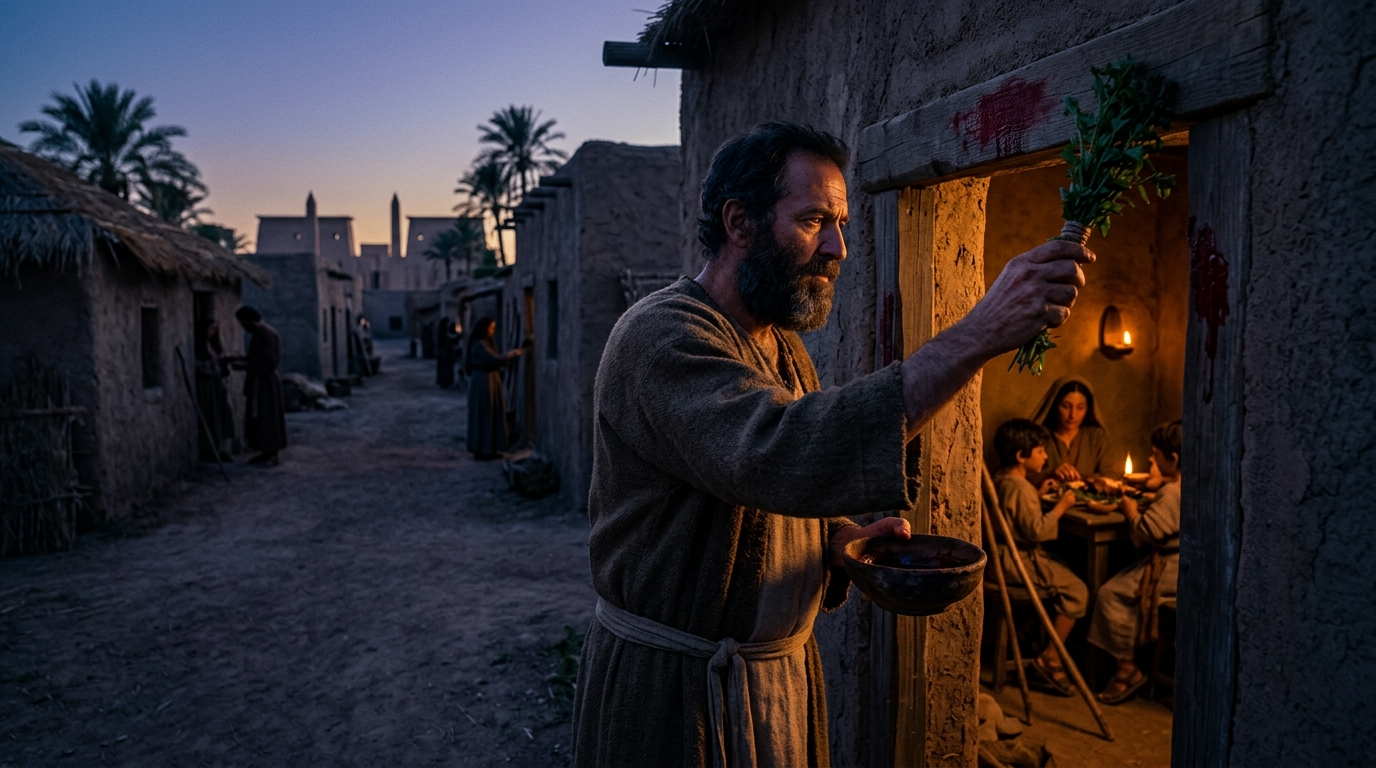
Balancing Divinity and Humanity: Crafting a Compelling Narrative
While the divine nature of the plagues is central to the Exodus story, a successful game must balance this with the human experiences that accompany such catastrophic events. This balance can be achieved through a narrative that respects the biblical account while highlighting the resilience and adaptability of those who lived through it.
Developers could use cutscenes and dialogue to juxtapose the divine interventions with the human stories unfolding on the ground. This approach not only respects the source material but enriches it by providing a multi-faceted view of the events. By focusing on both divinity and humanity, the game can offer a nuanced portrayal that resonates with players on multiple levels.
Conclusion: Lessons from the Plagues for Modern Game Storytelling
The Ten Plagues of Egypt, when explored through the lens of human impact, provide a unique opportunity for game designers to craft a narrative that is both educational and emotionally engaging. By focusing on the societal disruptions and personal stories behind these events, a Moses game can transcend traditional storytelling, offering players a chance to walk in the shoes of those who experienced these divine acts firsthand.
Ultimately, such a game would not only entertain but also educate, encouraging players to reflect on the broader implications of historical events and their relevance to human resilience and adaptability. In doing so, it could set a new standard for narrative depth in historical gaming, demonstrating that even the most divine stories have profoundly human roots.