The Dual Identity: Exploring Moses’ Life Between Two Worlds
Explore Moses’ dual identity as a Hebrew and Egyptian prince in game narratives, enhancing character depth and player engagement.
Introduction: The Background of Moses’ Dual Identity
The story of Moses is one of the most compelling narratives in both biblical and historical contexts. Known for leading the Israelites out of Egypt, Moses’ life is marked by a profound duality: he was born a Hebrew but raised as an Egyptian prince. This dual identity not only defines his character arc in the biblical narrative but also presents a rich opportunity for game designers to create a nuanced and engaging experience. By exploring Moses’ life between these two worlds, developers can craft a narrative that highlights the complexities of identity, choice, and destiny.
Growing Up in Pharaoh’s Court: The Prince with a Hidden Heritage
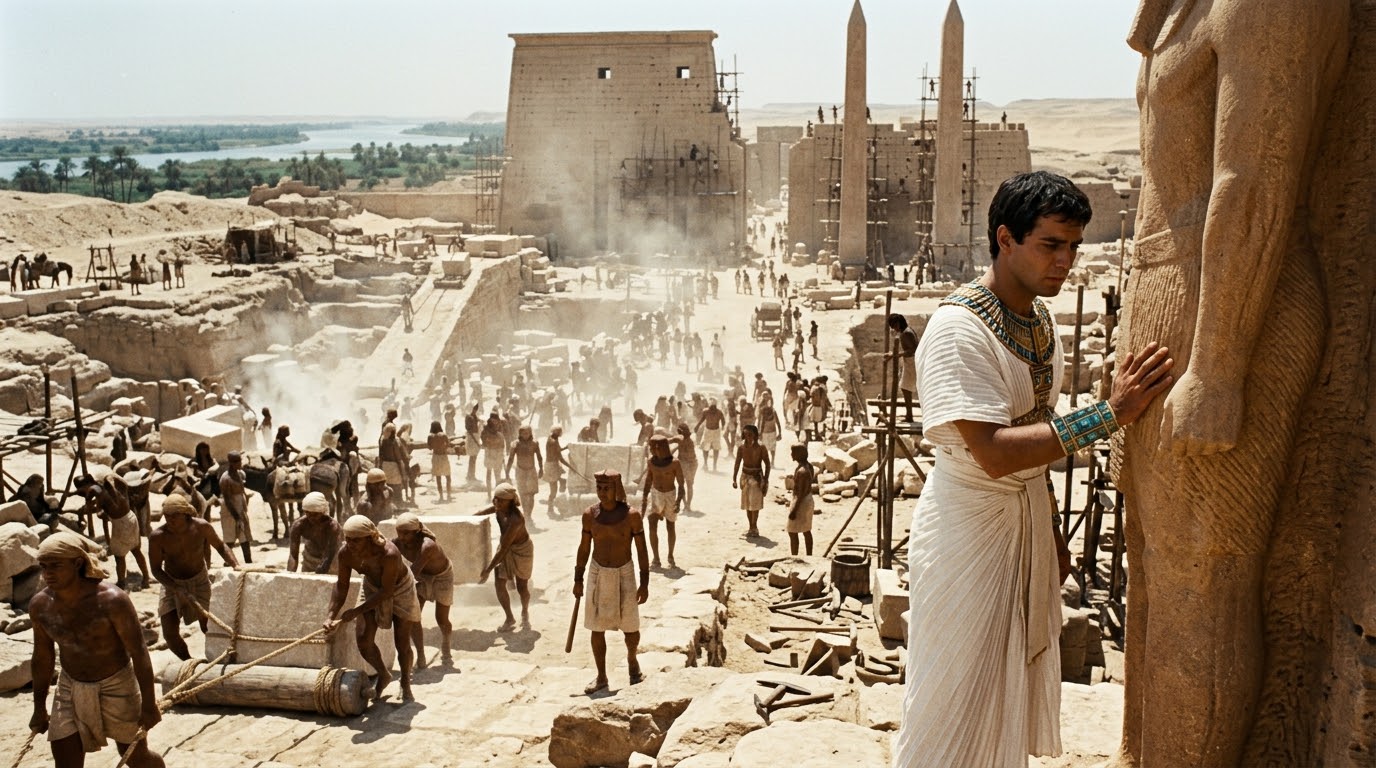
Moses’ early life in the Pharaoh’s court is a fascinating starting point for any game narrative. As an adopted member of the Egyptian royal family, he enjoyed the privileges of royalty while unknowingly carrying the weight of his Hebrew heritage. This upbringing can be portrayed in a game by illustrating the stark contrasts between the opulence of Egyptian palace life and the oppression faced by the Hebrew slaves.
Players might begin the game experiencing Moses’ life as an Egyptian prince, participating in court politics and military training. This setting provides a backdrop for internal conflict, as players encounter moments that hint at Moses’ true lineage. For example, a quest could involve Moses witnessing the harsh treatment of Hebrew slaves, prompting a moral decision that affects his standing in the court. These moments of choice can serve as early indicators of the internal struggle that defines his character.

Exile and Transformation: Embracing the Hebrew Identity
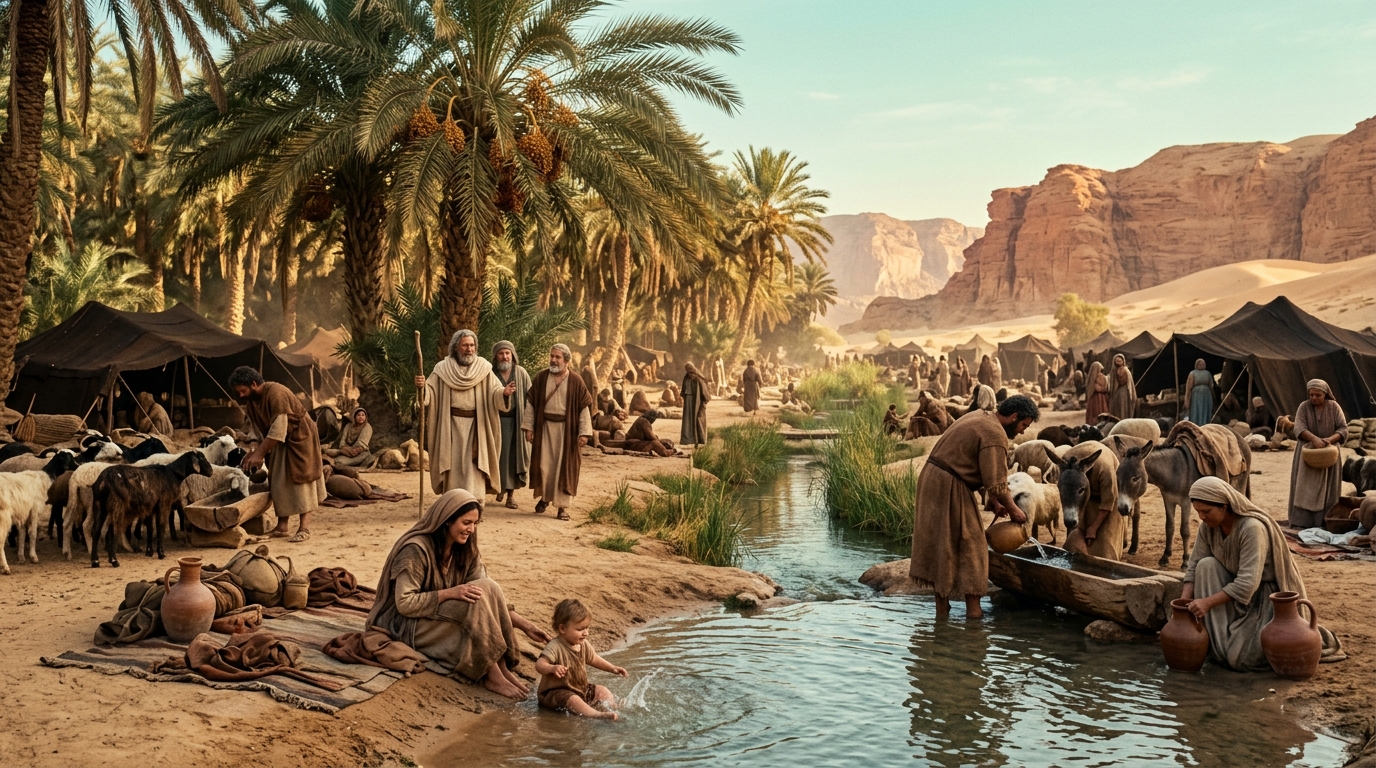
The narrative takes a pivotal turn when Moses discovers his true heritage and is forced into exile after defending a Hebrew slave. This period of transformation is crucial for his development from a prince into a leader. In a game, this can be represented through a shift in gameplay focus from the structured life of an Egyptian prince to the harsh realities of survival in the wilderness.
During his exile, players could engage in quests that emphasize self-discovery and growth, such as learning new skills or forming alliances with other outcasts. These experiences would not only build Moses’ character but also prepare him for his eventual role as a leader. The wilderness setting offers a stark contrast to the opulence of Egypt, reinforcing the theme of duality and the process of embracing one’s true identity.
Narrative and Gameplay: Weaving Duality into Player Experience
Effective integration of Moses’ dual identity into gameplay mechanics can enhance player immersion and engagement. One approach is to use branching narratives that allow players to make choices reflecting Moses’ internal conflict. These choices could influence relationships with other characters, alter the story’s direction, and affect the game’s outcome.
For example, players might decide whether to leverage Egyptian knowledge and resources or rely on emerging Hebrew alliances. Such decisions could impact the player’s ability to gather followers, navigate political landscapes, and ultimately lead the Exodus. This dynamic decision-making process not only deepens the narrative but also empowers players to explore the complexities of Moses’ identity.
Moreover, the game could incorporate a moral alignment system that tracks Moses’ actions, rewarding players for consistent choices while challenging them with the consequences of their decisions. This system would reflect the broader theme of duality, as players balance the expectations of both Egyptian and Hebrew communities.
Conclusion: The Significance of Moses’ Dual Identity in Game Design
Moses’ dual identity is not just a narrative hook; it is the essence of his character and a powerful tool for storytelling in video games. By embracing the complexities of his life between two worlds, game designers can create a deeply engaging experience that resonates with players on multiple levels. Through thoughtful narrative development, character choices, and gameplay mechanics, the story of Moses can be transformed into an interactive journey of identity, conflict, and redemption.
As developers consider the historical and biblical interpretations of Moses’ life, they must navigate these narratives with respect and creativity. The result can be a game that not only entertains but also educates and inspires, allowing players to explore the timeless themes of identity and transformation that define Moses’ legacy.