Whispers on the Temple Walls: Decoding the Symbolic Language of Ancient Egyptian Monuments in a Moses Game
Explore how ancient Egyptian symbols can enrich the storytelling and lore in a Moses video game.
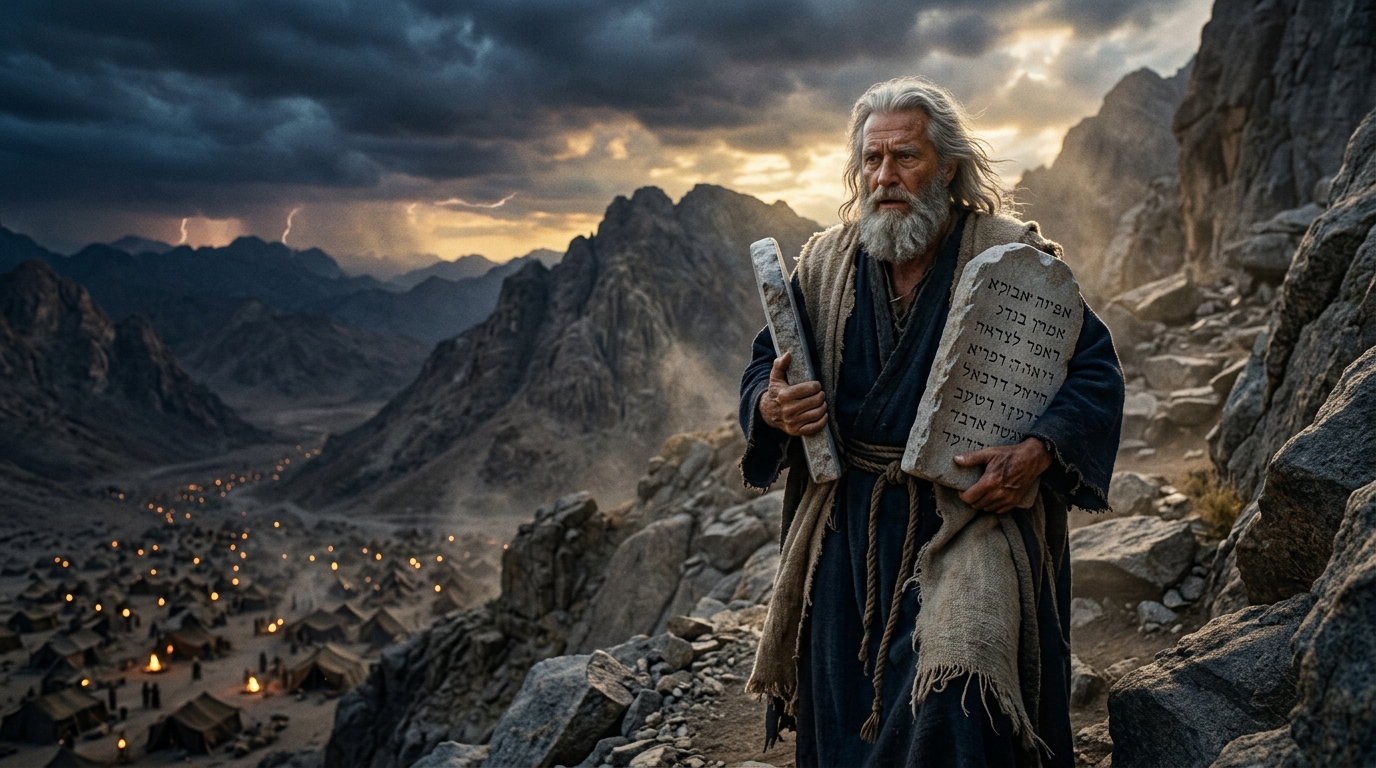
The Power of Symbols in Ancient Egypt
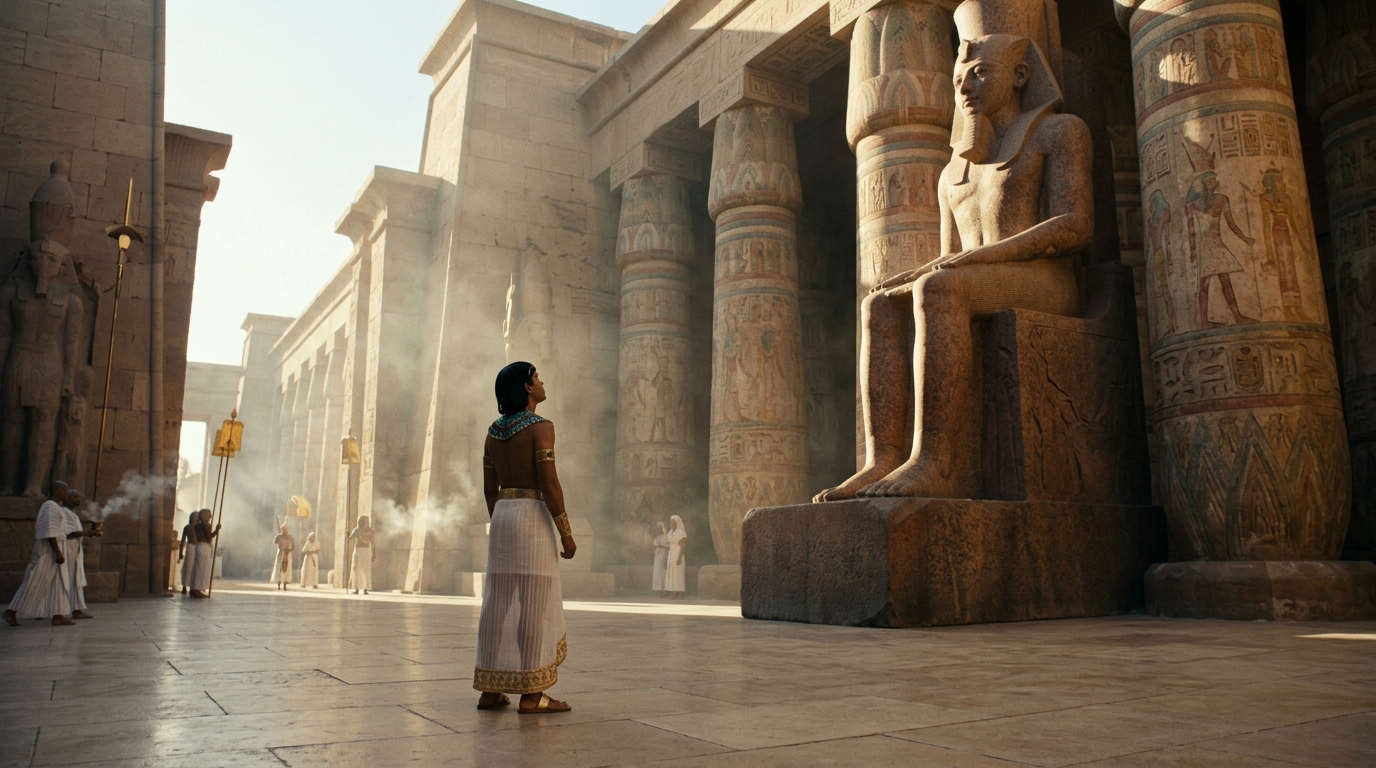
Ancient Egypt, with its rich tapestry of symbols and hieroglyphs, offers a visual language that communicates stories, religious beliefs, and historical events. These symbols, often etched into the stone walls of temples, serve not only as artistic expressions but as windows into the past. For a video game inspired by the biblical narrative of Moses, leveraging this symbolic language can transform the game world into a dynamic canvas of exploration and discovery. By engaging with these ancient symbols, players can unlock deeper layers of lore and narrative, making for a more immersive experience.
Common Motifs and Their Meanings in Egyptian Temples
Egyptian temples are adorned with a variety of motifs and inscriptions, each carrying specific meanings. The Ankh, a symbol of life, and the Eye of Horus, representing protection and royal power, are among the most recognizable. Hieroglyphs depicting pharaohs and deities tell stories of divine rule and cosmic order. Meanwhile, the Lotus flower symbolizes rebirth and creation. These symbols were not merely decorative; they were integral to the spiritual and cultural identity of Ancient Egypt.
Understanding these motifs can provide game designers with a toolkit for crafting environments rich in historical authenticity. Each symbol can be a clue or a narrative thread, inviting players to engage with the story on a deeper level. For instance, encountering an Ankh in a hidden chamber might suggest themes of life and resurrection, potentially leading to a quest or puzzle that reflects these concepts.
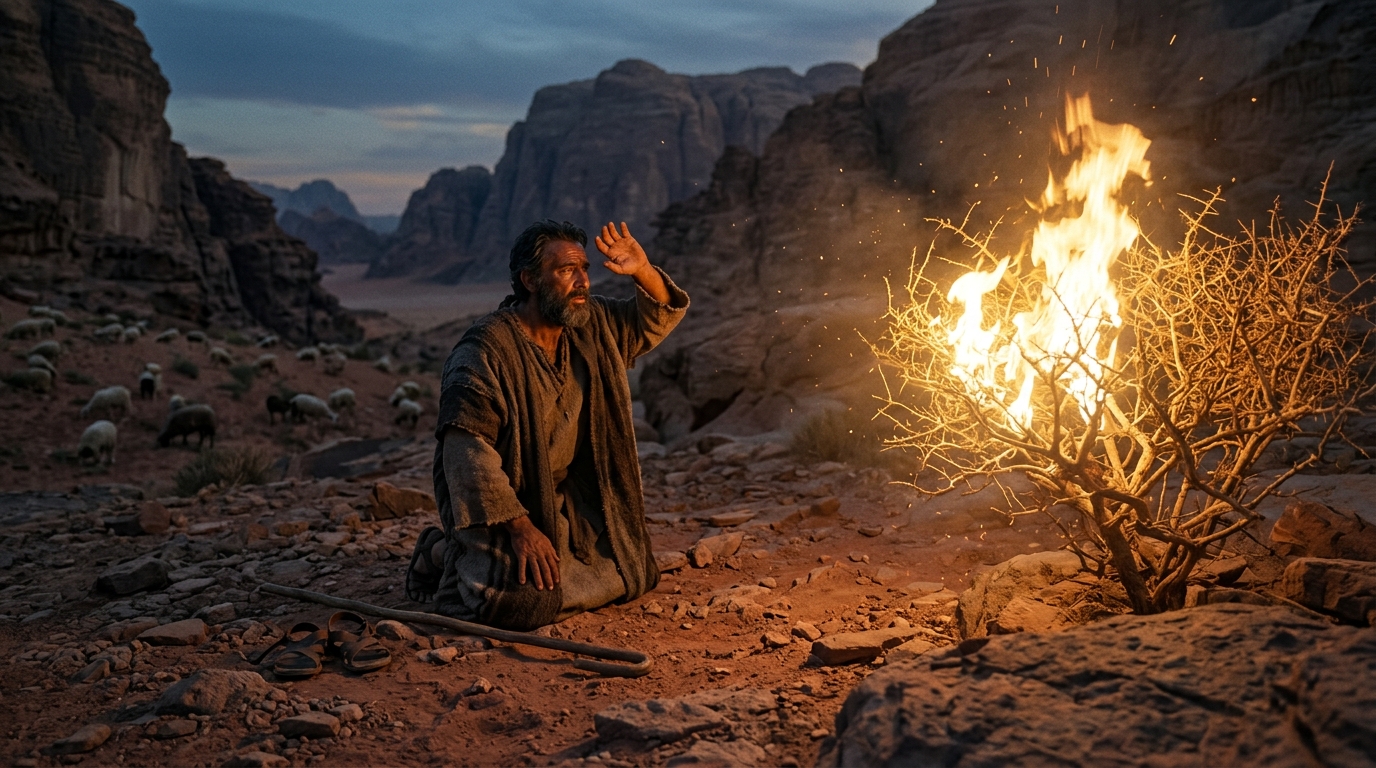
Integrating Symbolic Storytelling in Game Environments
Incorporating symbolic language into a game environment requires careful design and narrative integration. Symbols can be used to guide players through the game world, revealing hidden paths or secret locations. For example, a series of hieroglyphs depicting a journey across the Nile might unlock a new area or provide hints to solving a puzzle.
Moreover, these symbols can serve as narrative devices, revealing backstories of characters or the broader historical context of the game’s setting. By interacting with these symbols, players can piece together stories of past events, uncovering the motivations of historical figures or the divine interventions that shaped the world.
The use of environmental storytelling through symbols allows players to engage with the game world in a non-linear fashion, encouraging exploration and rewarding curiosity. It transforms static environments into living, breathing worlds filled with secrets waiting to be discovered.
Case Study: Potential Symbol-Driven Quests in a Moses Game
Imagine a quest in a Moses game where players must interpret symbols to progress. Players might find themselves in a temple, facing walls covered in hieroglyphs that tell the story of Moses’ birth and his hidden identity as a Hebrew. By deciphering these symbols, players could unlock a hidden narrative that provides insight into Moses’ early life and the prophecy of his destiny.
Another quest might involve the Scarabs, symbols of transformation and protection. Players could follow a trail of scarabs leading to a hidden sanctuary, where they must solve puzzles based on the symbolic meanings of the scarabs to reveal a sacred artifact or a piece of divine knowledge.
These quests not only enrich the narrative but also provide players with a sense of agency, allowing them to uncover stories that are not immediately apparent. By embedding symbolic storytelling into the game’s mechanics, developers can create a more engaging and meaningful experience.
Conclusion: Enhancing Player Engagement Through Hidden Histories
The symbolic language of ancient Egyptian monuments offers a unique opportunity to enhance the storytelling and lore of a Moses video game. By integrating these symbols into the game’s environment, developers can create a rich tapestry of hidden narratives and quests that invite players to explore and discover. This approach not only respects the historical and cultural significance of these symbols but also provides players with a deeper, more immersive experience.
Ultimately, the use of ancient symbols as a storytelling tool can transform a game from a simple retelling of a biblical story into a complex, engaging journey through history and mythology. By decoding the whispers on the temple walls, players can unlock the secrets of the past and forge their own path through the rich world of Ancient Egypt.