Moses’ Early Years: A Dive into His Dual Identity and Cultural Conflict
Explore Moses’ dual identity and cultural conflict in his early years for a compelling video game narrative.

Introduction: The Historical and Biblical Context of Moses’ Childhood
The story of Moses is one of the most enduring narratives from the Bible, resonating through centuries of religious and cultural discourse. His early years, spent in the opulent yet politically charged halls of Pharaoh’s palace, present a fascinating backdrop for exploring themes of identity and cultural conflict. Born a Hebrew but raised as an Egyptian prince, Moses’ dual identity is ripe for exploration in a video game context, offering a rich tapestry of narrative and gameplay possibilities.
Dual Identity: Living Between the Hebrew and Egyptian Worlds
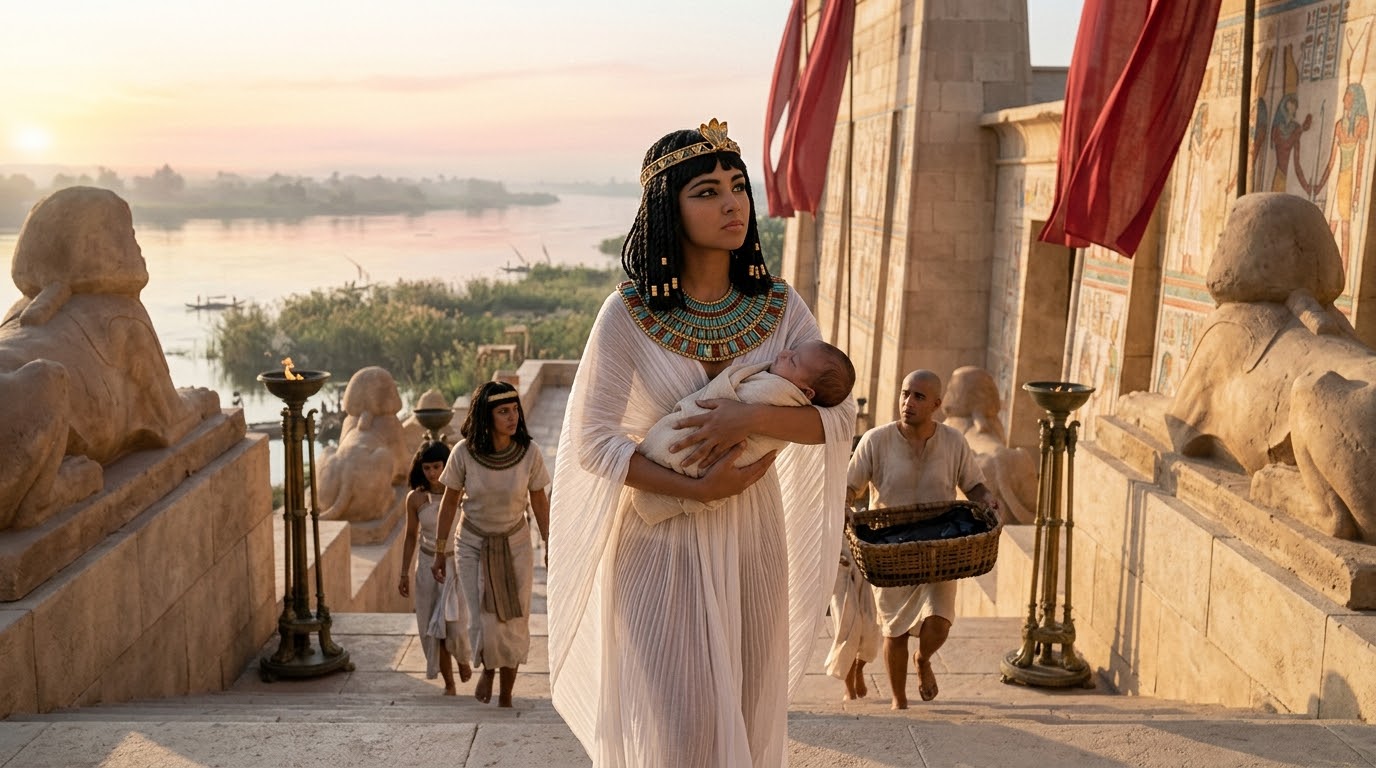
Moses’ upbringing in Pharaoh’s household is a tale of contrasts. As a Hebrew child saved from the Nile and adopted into Egyptian royalty, Moses embodies a life of duality. This dual identity can be portrayed in a game through his interactions with both the enslaved Hebrews and the Egyptian elite. Players could witness firsthand the cultural and emotional tensions that arise from Moses’ unique position, creating an immersive experience that examines the complexities of belonging and identity.
Such a narrative could explore Moses’ internal conflict as he navigates his loyalty to his Hebrew roots while being nurtured in Egyptian opulence. This duality offers a fertile ground for character development, as Moses grapples with questions of identity, purpose, and destiny. By placing players in his shoes, the game can delve into the nuanced emotions of a man torn between two worlds, each with its own expectations and limitations.
Narrative Techniques: Depicting Cultural Conflict and Personal Growth
To effectively depict Moses’ evolving sense of identity, narrative designers can employ a range of techniques. Flashbacks, for instance, could be used to juxtapose Moses’ memories of his Hebrew family with his experiences in the Egyptian court. Dialogue choices could reflect his internal struggles, allowing players to influence his path as he reconciles his heritage with his upbringing.
Moreover, the use of symbolic imagery and motifs can enhance the narrative depth. The Nile River, a symbol of both life and division, could serve as a recurring element in the game, representing Moses’ journey between his two identities. The game might also incorporate moments of introspection, where Moses reflects on his place in the world, prompting players to engage with his personal growth and transformation.
Gameplay Mechanics: Engaging Players with Moses’ Identity Struggle
Gameplay mechanics can be cleverly designed to reflect Moses’ unique position between two worlds. For example, a reputation system could track Moses’ standing among both the Egyptians and Hebrews, influencing how characters from each group interact with him. This dynamic could lead to branching storylines, where players must make decisions that impact Moses’ relationships and the unfolding narrative.
Stealth and diplomacy mechanics could further engage players, as Moses navigates the political intrigue of the Egyptian court while secretly aiding his Hebrew brethren. These gameplay elements would not only enhance the narrative but also provide players with a sense of agency in shaping Moses’ journey.
Secondary Characters: Influences and Relationships in Moses’ Early Life
Secondary characters play a crucial role in enriching the portrayal of Moses’ early life. Figures such as Pharaoh’s daughter, who saves and raises Moses, can be depicted as complex characters with their own motivations and conflicts. Their interactions with Moses could provide insight into his identity struggle, offering players a deeper understanding of the pressures he faces.
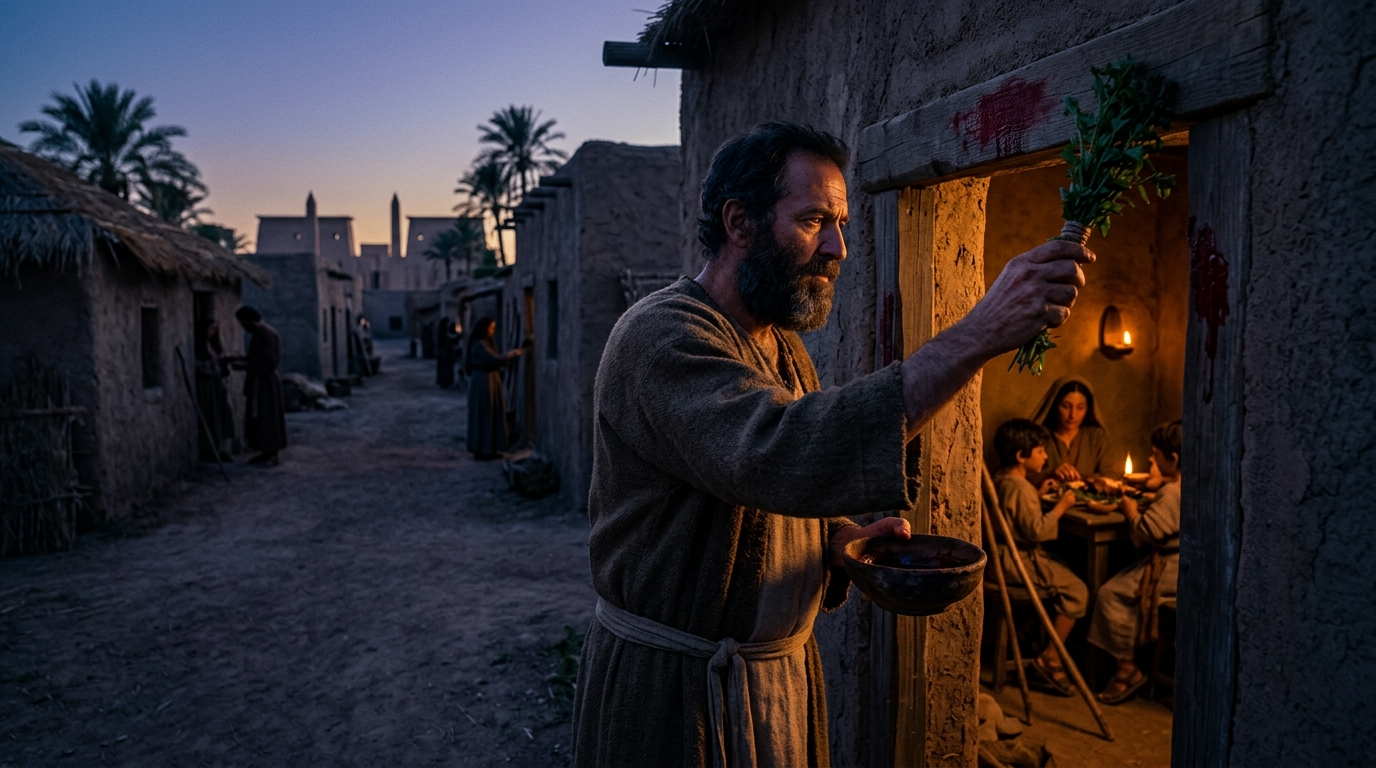
Hebrew characters, such as Moses’ biological family, can also be significant in shaping his worldview and values. Their presence in the game can highlight the stark contrasts between Moses’ two worlds and underscore the stakes of his eventual decision to lead his people to freedom. By developing these relationships, the game can create a layered narrative that resonates with players on an emotional level.
Conclusion: Crafting a Compelling Story of Moses’ Formative Years
Exploring Moses’ early years in a video game offers a unique opportunity to delve into themes of identity, loyalty, and destiny. By focusing on his dual identity and cultural conflict, developers can craft a narrative that is both historically rich and emotionally compelling. Through thoughtful narrative techniques, engaging gameplay mechanics, and well-developed secondary characters, the game can provide players with an immersive experience that not only entertains but also prompts reflection on the nature of identity and the human condition.
Ultimately, a game centered on Moses’ formative years has the potential to be a groundbreaking addition to the genre, offering a fresh perspective on a timeless story. By weaving historical and biblical elements into the narrative, developers can create an authentic and captivating journey that honors the legacy of one of history’s most iconic figures.