The Domino Effect: Exploring the Societal Consequences of the Ten Plagues in a Moses Game
Explore the societal impact of the Ten Plagues in a Moses game, focusing on narrative depth and historical context.

Introduction: Beyond the Supernatural
In the realm of video games, biblical narratives offer a rich tapestry of storytelling potential. Among these, the story of Moses and the Exodus stands out, particularly the dramatic sequence of the Ten Plagues. Traditionally depicted as supernatural events, these plagues serve as pivotal moments in the biblical narrative. However, a Moses-inspired game could delve deeper, exploring the societal domino effect these plagues might have had on Ancient Egypt. By focusing on the human and societal consequences, developers can create an immersive, narrative-driven experience that goes beyond the miraculous, engaging players with the everyday realities of life in this ancient civilization.
Historical and Cultural Context of the Plagues
The Ten Plagues, as described in the Book of Exodus, were a series of divine interventions that led to the liberation of the Israelites from Egyptian bondage. Each plague—from the turning of the Nile into blood to the death of the firstborn—can be interpreted as a direct challenge to the Egyptian pantheon and Pharaoh’s authority. Historically, while the biblical account is not universally corroborated by archaeological evidence, it provides a framework for understanding the potential societal upheavals such events could cause.
In a game setting, these plagues could be portrayed not just as isolated phenomena but as catalysts for widespread social and economic disruption. Ancient Egypt was a complex society with a sophisticated agricultural system, trade networks, and religious institutions. The plagues would have threatened these structures, leading to food shortages, economic instability, and social unrest. By integrating these aspects, a game could offer players a nuanced perspective on how such events might ripple through society.
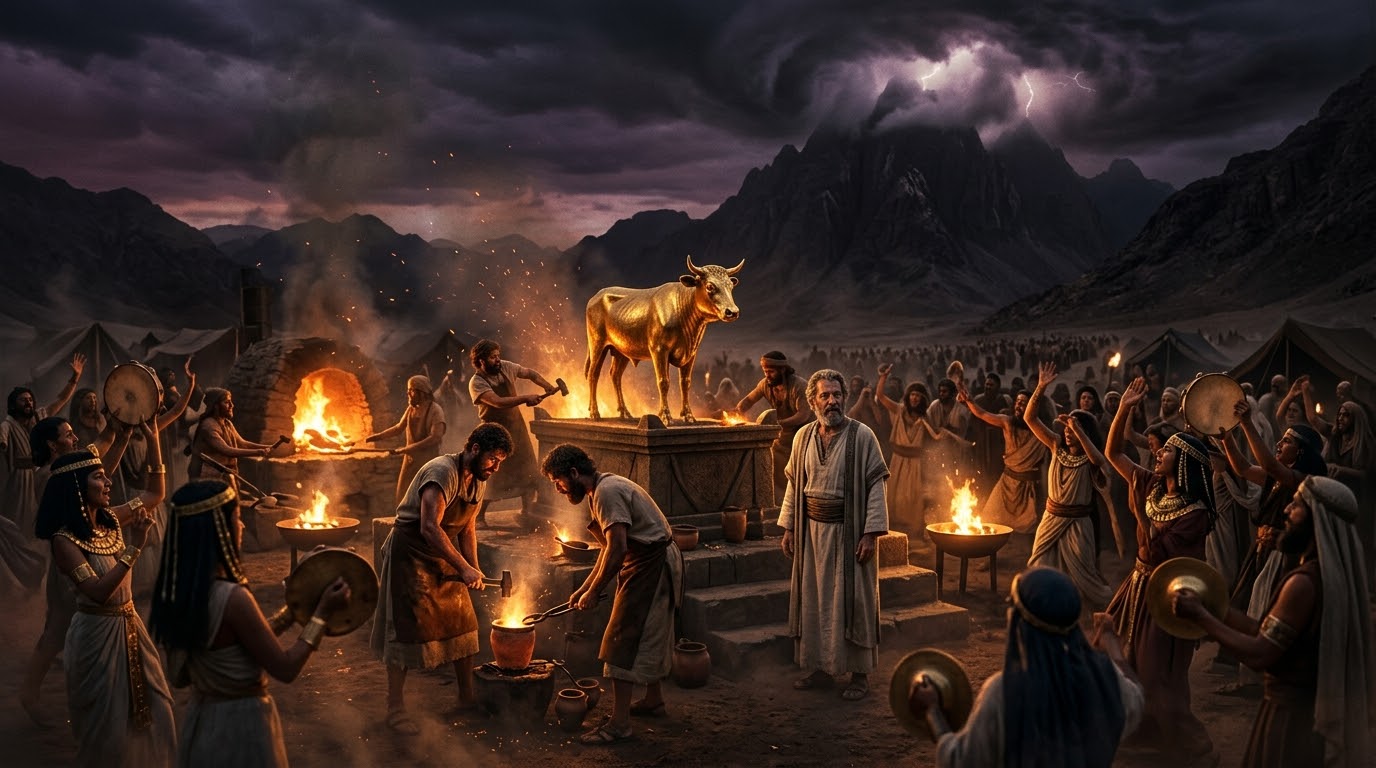
Narrative Techniques for Societal Impact
To effectively convey the societal impact of the plagues, narrative designers can employ several techniques. First, character-driven storytelling can humanize the broader consequences. By focusing on the stories of everyday Egyptians—farmers, merchants, priests—players can witness the personal toll of each plague. These narratives can be woven into the game’s missions or side quests, offering a diverse range of perspectives and emotional depth.
Moreover, branching storylines could allow players to influence outcomes, providing a sense of agency and moral complexity. For instance, players might face choices that affect a village’s survival during a plague of locusts, weighing immediate gains against long-term consequences. This approach not only enhances engagement but also encourages players to reflect on the ethical dimensions of their actions.
Gameplay Mechanics and Environmental Storytelling
Beyond narrative, gameplay mechanics and environmental storytelling can further immerse players in the world of Ancient Egypt. Dynamic environments that change in response to each plague can visually and interactively depict the chaos and transformation of the landscape. For example, a river teeming with blood could affect trade routes, forcing players to navigate logistical challenges.
Interactive elements such as resource management and survival mechanics can simulate the plagues’ impact on the economy and daily life. Players might need to allocate scarce resources wisely or develop strategies to protect their communities from disease and famine. Such mechanics not only enhance realism but also deepen the player’s connection to the game’s world.

Balancing Accuracy and Engagement
One of the primary challenges in developing a game based on the Ten Plagues is balancing historical accuracy with engaging gameplay. While maintaining fidelity to the biblical narrative and historical context is important, developers must also ensure the game remains compelling and accessible to a broad audience.
This balance can be achieved by combining factual elements with creative liberties that enhance storytelling. For instance, while exact historical details of the plagues are debated, their depiction can be informed by scholarly interpretations and archaeological insights. This approach allows for a respectful yet imaginative exploration of Ancient Egypt, grounding the game in reality while allowing room for player-driven narratives.
Conclusion: Empathy Through Game Design
Ultimately, a Moses game that explores the societal consequences of the Ten Plagues offers more than just a retelling of biblical events. By focusing on the human stories and societal challenges, such a game can foster empathy and moral reflection among players. It invites them to consider not only the supernatural aspects of the narrative but also the very real human experiences behind them.
Through thoughtful narrative design, immersive mechanics, and a sensitive approach to historical context, developers have the opportunity to create a game that resonates emotionally and intellectually. This exploration of the Ten Plagues can transform a well-known story into a compelling interactive experience, encouraging players to engage deeply with the past and its enduring lessons.