Moses’ Transition from Prince to Shepherd: A Journey Through Self-Discovery and Leadership
Explore Moses’ transition from Egyptian prince to shepherd in Midian, revealing rich narrative and gameplay opportunities for a video game adaptation.
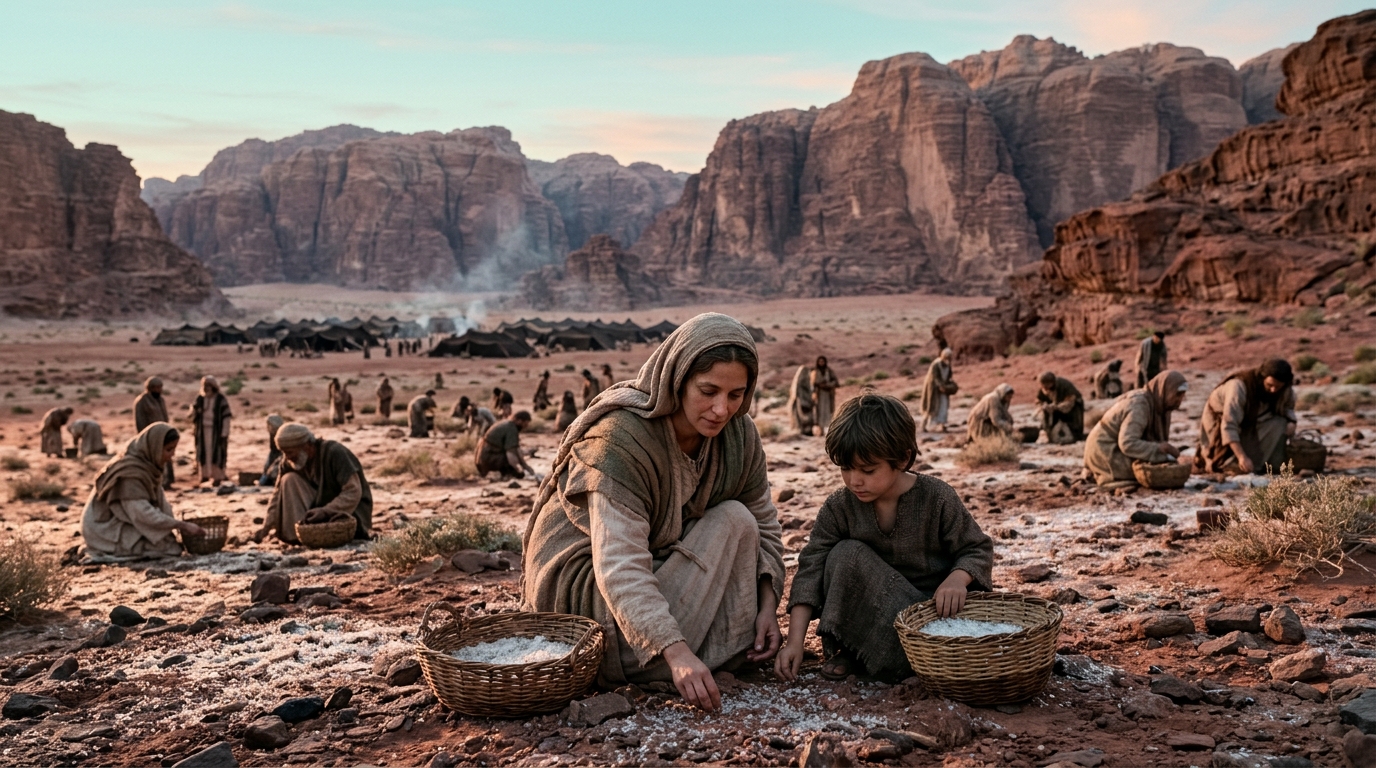
The Significance of Moses’ Exile
The story of Moses is one of the most compelling narratives in religious literature, marked by epic events such as the parting of the Red Sea and the delivery of the Ten Commandments. However, a less explored yet equally significant chapter in Moses’ life is his exile from Egypt to Midian. This period of self-discovery and transformation is ripe with narrative and gameplay opportunities for a video game adaptation. By focusing on Moses’ transition from a prince of Egypt to a humble shepherd, developers can delve into themes of identity, leadership, and personal growth.
The Prince Turned Shepherd: Character Transition and Growth
Moses’ departure from Egypt marks a pivotal shift in his life, leaving behind the opulence and power of the Pharaoh’s court for the simplicity of pastoral life in Midian. This transition is not merely geographical; it represents a profound internal journey. In a video game, this period could serve as a foundational narrative arc where players experience Moses’ transformation through interactive storytelling and character development.
As a prince, Moses was accustomed to authority and privilege. In Midian, he learns humility and resilience, qualities essential for his future role as a leader. Game developers can use this transition to create a dynamic character arc, allowing players to witness and influence Moses’ growth. Through dialogue options, decision-making scenarios, and moral dilemmas, players can engage with Moses’ evolving identity, shaping his path from royalty to shepherdhood.
Narrative Opportunities in Midian: Family, Faith, and Identity
Moses’ time in Midian offers rich narrative threads that can be woven into a compelling game. His interactions with Jethro, his father-in-law, and his marriage to Zipporah provide personal and cultural context that can deepen the storyline. These relationships introduce themes of family and faith, offering players a glimpse into the societal and religious dynamics of the time.

The Midianite setting, with its distinct landscape and cultural backdrop, allows for exploration and discovery. Players can engage in quests that reflect the pastoral lifestyle, such as tending to flocks or negotiating with local tribes. These activities not only serve to ground the player in the world of Midian but also act as metaphors for Moses’ internal journey and preparation for leadership.
Gameplay Mechanics: Shepherding as a Metaphor for Leadership
Shepherding is a central motif in Moses’ story during his time in Midian and can be creatively adapted into gameplay mechanics that underscore themes of leadership and responsibility. Players can undertake tasks that require strategic thinking, patience, and care, reflecting the skills Moses would need as a leader of the Exodus.
For instance, managing a flock can serve as an allegory for leading a community. Players might face challenges such as protecting the flock from predators or navigating harsh environments, mirroring the trials Moses will face with the Israelites. These mechanics not only provide engaging gameplay but also reinforce the narrative of Moses’ growth and preparation for his future role.
Challenges and Solutions in Game Design
Adapting Moses’ time in Midian into a video game presents several challenges. The biblical text offers limited details about this period, leaving much to the imagination. However, this lack of specificity grants developers creative freedom to expand on the narrative while remaining respectful to the source material.
One potential challenge is balancing historical and cultural accuracy with engaging gameplay. Developers must research the historical context of Midian while crafting a world that feels authentic and immersive. Additionally, the game’s pacing must maintain player interest, ensuring that the quieter moments of reflection and growth are as compelling as the more action-oriented sequences.
Solutions might include incorporating elements of historical fiction, where plausible scenarios and characters are developed to enrich the story. Collaboration with historians and theologians can also help ensure that the game remains respectful and informative, offering players an educational as well as entertaining experience.
Conclusion: The Impact of Self-Discovery on Moses’ Leadership
Moses’ transition from prince to shepherd is a journey of self-discovery that lays the foundation for his leadership of the Exodus. By focusing on this transformative period, a video game can offer players a unique perspective on Moses’ character, emphasizing themes of growth, humility, and resilience.
Through thoughtful narrative design and innovative gameplay mechanics, developers can create an engaging and meaningful experience that not only entertains but also enriches players’ understanding of one of history’s most iconic figures. By exploring Moses’ formative years in Midian, players can gain insight into the qualities that made him a leader capable of guiding his people to freedom.