Building Tension: The Role of Time Pressure and Decision-Making in the Red Sea Crossing
Explore how time pressure and decision-making enhance tension in the Red Sea crossing, elevating player engagement in a Moses game.
The Red Sea Crossing as a Climactic Moment
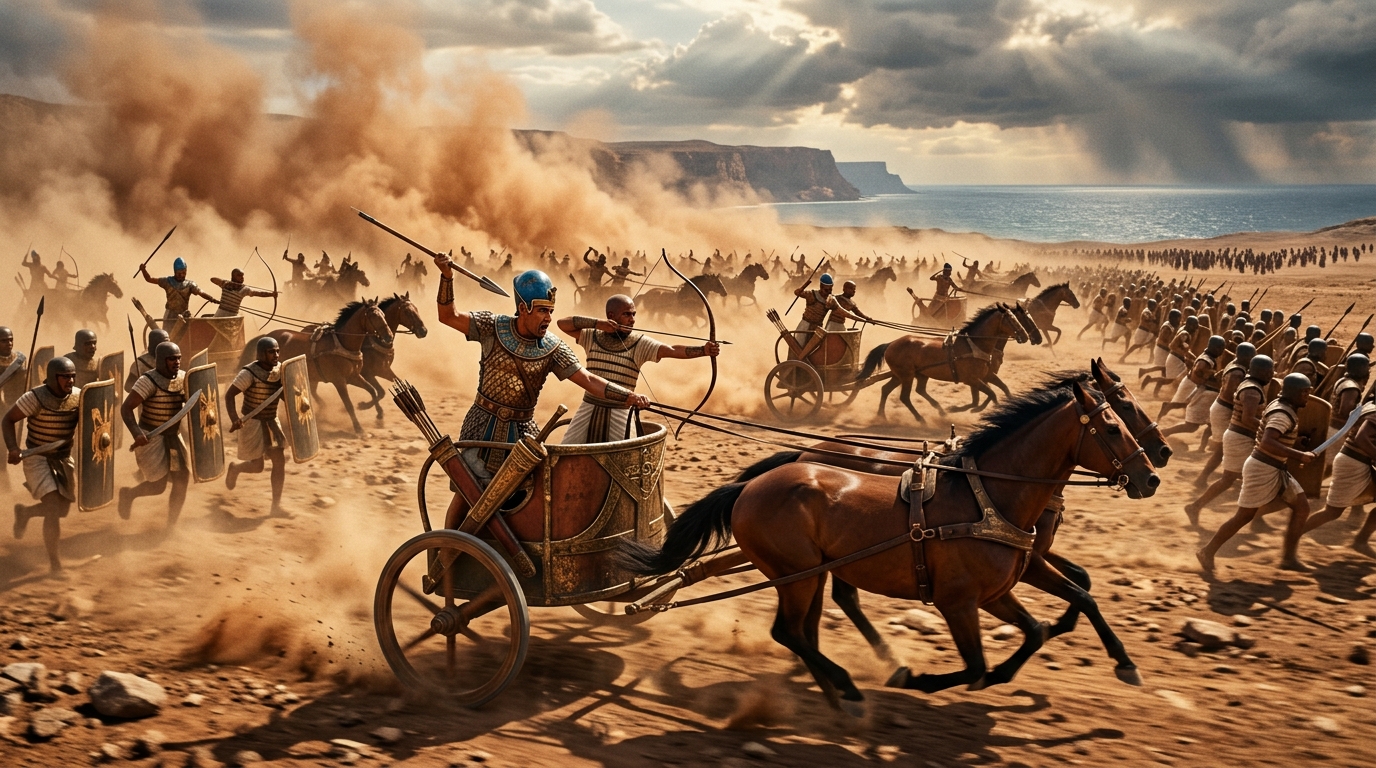
The Crossing of the Red Sea is one of the most dramatic events in the biblical narrative of Moses. This moment, where the Israelites flee from the Egyptians, is filled with tension, urgency, and the high stakes of survival. Translating this pivotal scene into a video game setting presents a unique opportunity for game designers and narrative developers to engage players through time pressure and decision-making mechanics. How can these elements be effectively used to heighten the intensity of this epic escape?
Integrating Time Pressure: Techniques for Urgency
Incorporating time pressure into the Red Sea crossing can amplify the urgency and desperation felt by the Israelites. Techniques such as countdown timers, environmental changes, and escalating threats can serve to keep players on edge. For instance, a timer counting down the moments until the Egyptian army closes in can create a palpable sense of urgency. Environmental cues, like the rising waters or shifting sands, can visually and audibly signal the need for haste, pushing players to make quick decisions.
Time pressure not only elevates tension but also mirrors the historical urgency described in the biblical account. The narrative speaks of a hurried departure, with the Israelites leaving in haste to escape Pharaoh’s army. By embedding this urgency into the gameplay, players can experience the same pressure, thus enhancing their emotional connection to the story.
Decision-Making Mechanics and Player Agency
Decision-making is crucial in reflecting the leadership challenges faced by Moses. Players could be tasked with making strategic choices that affect the group’s survival. For example, deciding whether to take a risky shortcut or a safer, longer path can add layers to the gameplay. These decisions can be tied to resource management, such as rationing food or choosing who carries essential supplies.
Implementing branching narratives based on player choices can further increase engagement. Each decision could lead to different outcomes, encouraging players to consider the consequences of their actions carefully. This mechanic not only adds depth to the character of Moses but also gives players a sense of agency, making their journey through the Red Sea uniquely their own.
Narrative Build-Up: Creating Anticipation Before the Crossing
The events leading up to the Red Sea crossing can be used to build anticipation and emotional investment. Through narrative pacing, players can experience the tension mounting as the Egyptian army approaches. Scenes depicting the Israelites’ fear, hope, and resolve can deepen the player’s connection to the characters and storyline.
Interactive flashbacks or dialogues can provide background on the Israelites’ plight, enhancing the emotional stakes. By the time players reach the crossing, they should feel the weight of the journey, making the climax all the more impactful. This build-up can also be used to introduce key gameplay elements, ensuring players are prepared for the decisions and challenges ahead.
Consequences of Choices: Impact on Story and Character Development
The choices players make during the Red Sea crossing should have meaningful consequences that impact the story and character development. For instance, choosing to save certain characters or sacrificing resources can lead to different narrative paths, affecting relationships and future events. This not only increases replayability but also allows players to explore various outcomes and moral dilemmas.
Consequences can also be reflected in the game’s ending, providing players with a sense of ownership over the story’s conclusion. Did their decisions lead to a smooth escape, or did they face additional hardships? These outcomes can offer players a personalized narrative experience, encouraging them to reflect on their choices and the journey they undertook.
Conclusion: Enhancing Player Experience Through Dynamic Storytelling
By integrating time pressure and decision-making mechanics into the Red Sea crossing, game designers can create a dynamic and engaging player experience. These elements not only heighten tension but also allow players to empathize with Moses’ leadership challenges and the Israelites’ struggle for freedom. Through careful narrative build-up and meaningful consequences, the Red Sea crossing can become a memorable and impactful moment in a Moses-inspired game.
Ultimately, the use of these mechanics can transform a historical and biblical event into an interactive experience that resonates with players, offering them a deeper understanding and connection to the story. By focusing on player agency and the emotional stakes of the narrative, developers can elevate the Red Sea crossing from a mere set piece to a climactic, player-driven journey.