Game-ifying Pharaoh’s Dilemma: Designing Antagonistic Strategies in a Moses Game
Explore designing Pharaoh as a complex antagonist in a Moses game, focusing on political strategy, moral dilemmas, and personal conflict.
The Pharaoh’s Role as an Antagonist
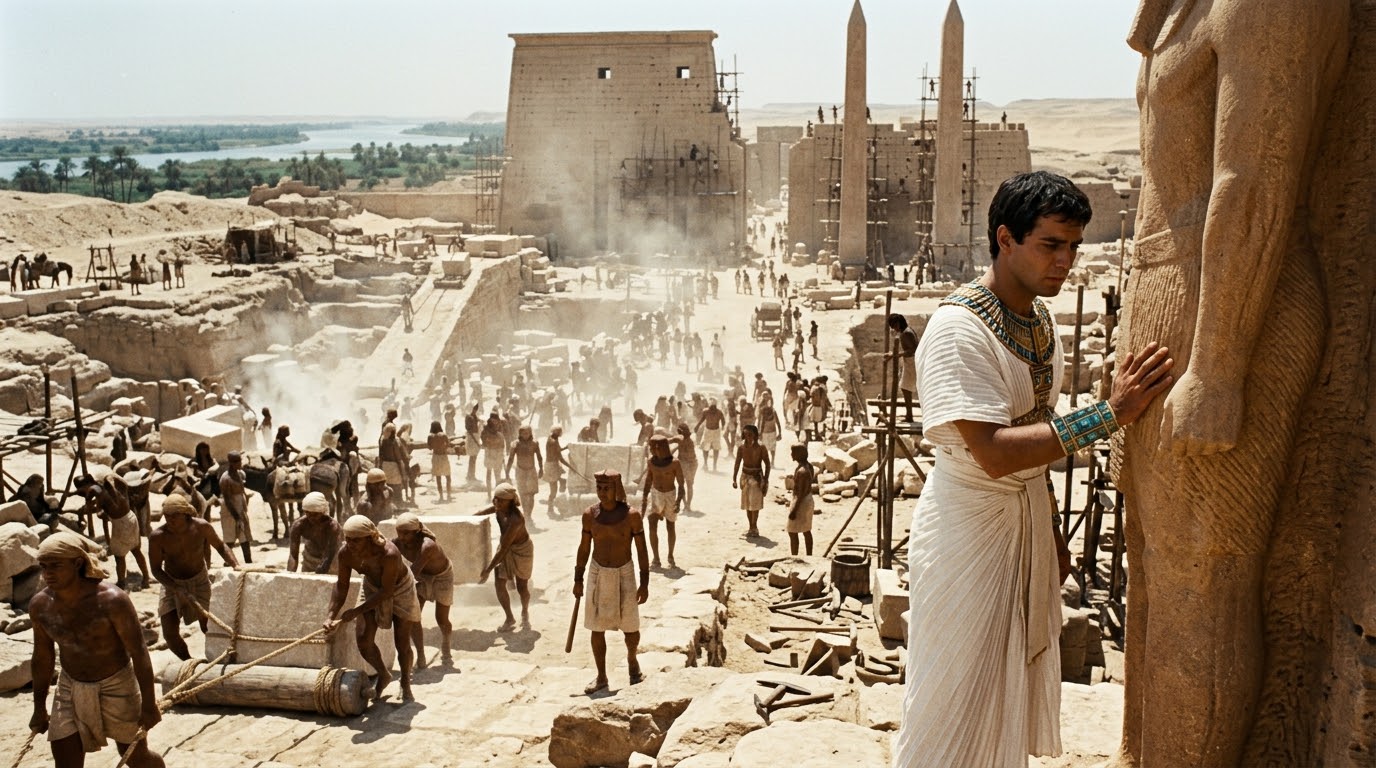
In the realm of video game design, creating a compelling antagonist is essential for engaging storytelling. In a game inspired by the biblical narrative of Moses and the Exodus, Pharaoh naturally emerges as a central antagonist. However, rather than portraying him merely as a tyrannical ruler, there is a rich opportunity to explore Pharaoh’s character as a multifaceted leader grappling with political, personal, and moral dilemmas. This approach can deepen the player’s experience, offering a nuanced perspective on the challenges of leadership during one of history’s most famous exoduses.
Designing a Complex Pharaoh: Political and Personal Layers
To transform Pharaoh from a standard villain into a complex character, designers must delve into the political and personal layers of his role. Historically, Pharaohs were not just autocrats; they were seen as divine intermediaries responsible for the prosperity and stability of Egypt. This dual role as both a political leader and a religious figure can be central to the game’s narrative.
Imagine a game where Pharaoh must balance the demands of his advisors, the expectations of his people, and his personal beliefs. These elements can be woven into the storyline, creating scenarios where Pharaoh’s decisions are not just about power but also about survival and legacy. The tension between maintaining control and addressing the growing unrest among the Hebrews can serve as a key plot driver, presenting Pharaoh as a leader caught between tradition and change.
Mechanics of Conflict: Diplomacy, Strategy, and Moral Choices
Integrating mechanics that reflect Pharaoh’s political and moral challenges can enrich the gameplay. For instance, players could engage in strategic decision-making processes where Pharaoh must negotiate with other nations, manage resources, and respond to internal dissent.

A diplomacy system could be implemented, allowing Pharaoh to form alliances or rivalries with neighboring states, affecting Egypt’s stability. Additionally, moral choices could play a significant role. Players might face scenarios where Pharaoh must decide whether to follow his advisors’ counsel or his own instincts, each choice carrying consequences that ripple through the narrative.
Such mechanics not only provide depth to Pharaoh’s character but also invite players to explore the complexities of leadership, offering a more immersive and thought-provoking experience.
Interactions and Influence: Pharaoh’s Court and Family
Pharaoh’s interactions with his court and family can significantly influence his decisions and actions. By depicting these relationships, the game can add layers to Pharaoh’s character, showing him as a ruler but also as a father, husband, and son.
For example, advisors might represent different factions within the court, each with its own agenda. Navigating these relationships could require Pharaoh to balance competing interests, offering players a strategic challenge. Moreover, family dynamics can introduce personal stakes, such as a son questioning Pharaoh’s policies or a spouse advocating for peace.
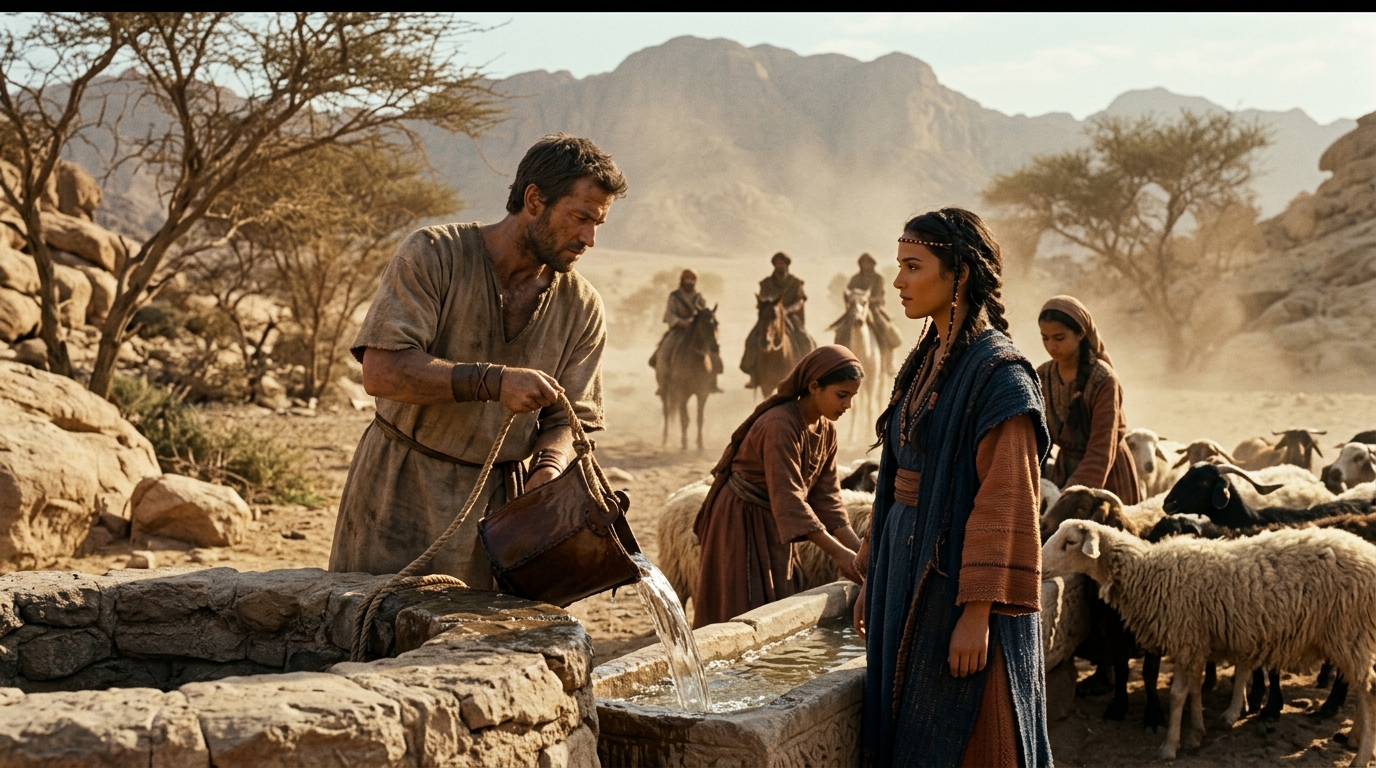
These interactions can serve as pivotal moments in the game, where personal and political pressures collide, shaping Pharaoh’s path and the unfolding story.
Incorporating Historical Context and Biblical Narratives
To create a nuanced portrayal of Pharaoh, the game should draw from historical and biblical sources, blending fact with narrative creativity. While the biblical account presents Pharaoh as an obstinate figure, historical interpretations suggest a more complex reality. The game can explore these dual perspectives, allowing players to engage with the historical context of Ancient Egypt, including its culture, religion, and governance.
By incorporating elements such as the construction of monumental projects, agricultural management, and trade, the game can paint a vivid picture of Egypt during this era. These aspects can provide a backdrop to the Exodus narrative, grounding the story in a rich historical setting that enhances Pharaoh’s character development.
Conclusion: Evolving Pharaoh’s Antagonism Through Player Interaction
By designing Pharaoh as a complex antagonist facing political, personal, and moral dilemmas, a Moses game can offer players a unique and engaging experience. Through strategic gameplay, diplomacy, and character-driven narratives, players can explore the intricacies of leadership and the human side of an iconic biblical figure.
This approach not only elevates the game’s storytelling but also encourages players to consider the broader implications of power and responsibility. As players navigate Pharaoh’s world, they become part of a dynamic narrative, where their choices influence the course of history and the fate of a nation.