Echoes of Silence: Unearthing Hidden Sanctuaries and Sacred Spaces in a Moses Game
Explore hidden sanctuaries in a Moses game, enriching narrative and gameplay with unique insights and discoveries.
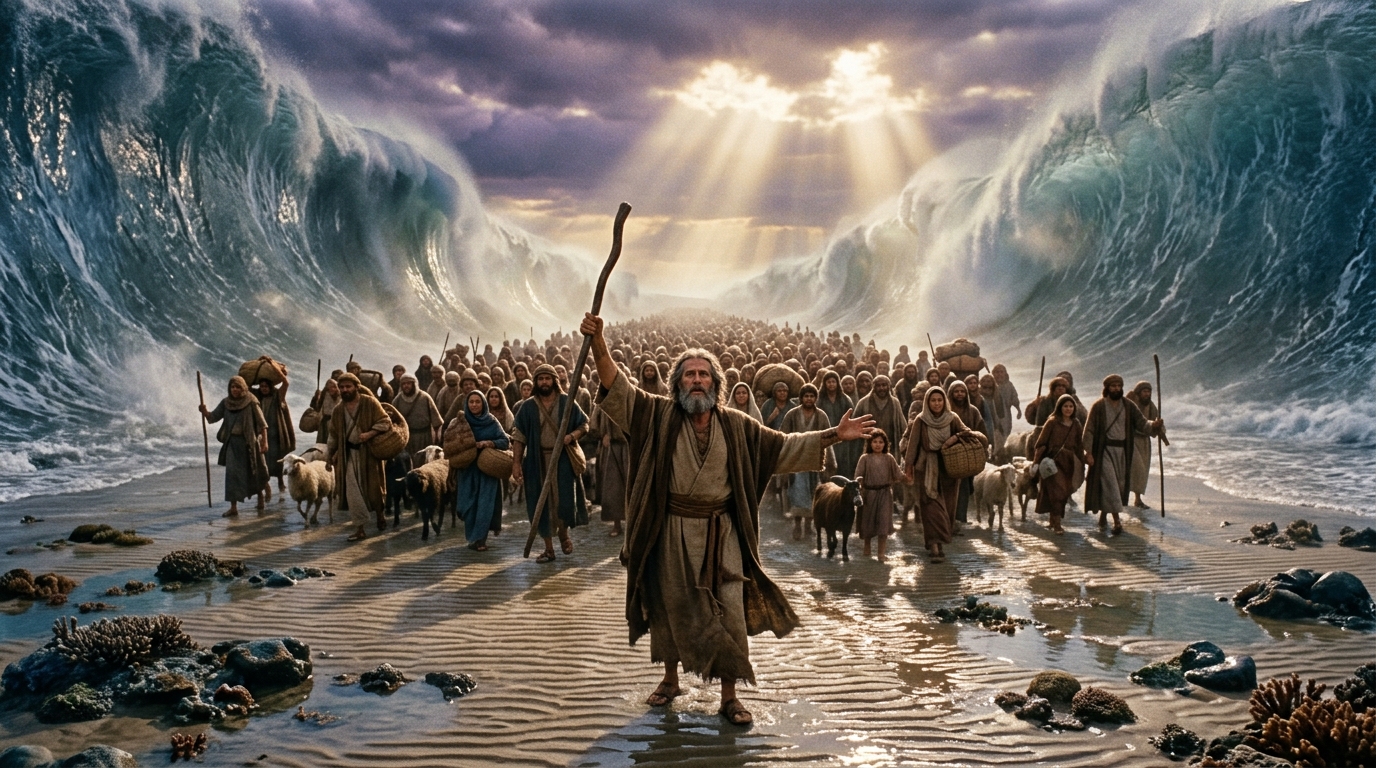
The Allure of the Unseen
In the realm of video games, the allure of the unseen often drives players to explore beyond the beaten path, seeking hidden treasures and untold stories. In a game inspired by the biblical narrative of Moses and the Exodus, the concept of hidden sanctuaries and sacred spaces can transform the player’s journey into a quest for both spiritual and narrative discovery. These concealed locations not only enrich the game’s lore but also offer players a deeper connection to the world and its ancient mysteries.
Historical and Biblical Context: Sanctuaries in Moses’ Era
The story of Moses is steeped in a rich tapestry of history and spirituality, where sanctuaries played a crucial role in the lives of the ancient Israelites and Egyptians. In the biblical narrative, sanctuaries such as Mount Sinai serve as pivotal locations where divine encounters occur. Historically, these sites were not just places of worship but also served as communal hubs where people gathered for protection, guidance, and ritual.
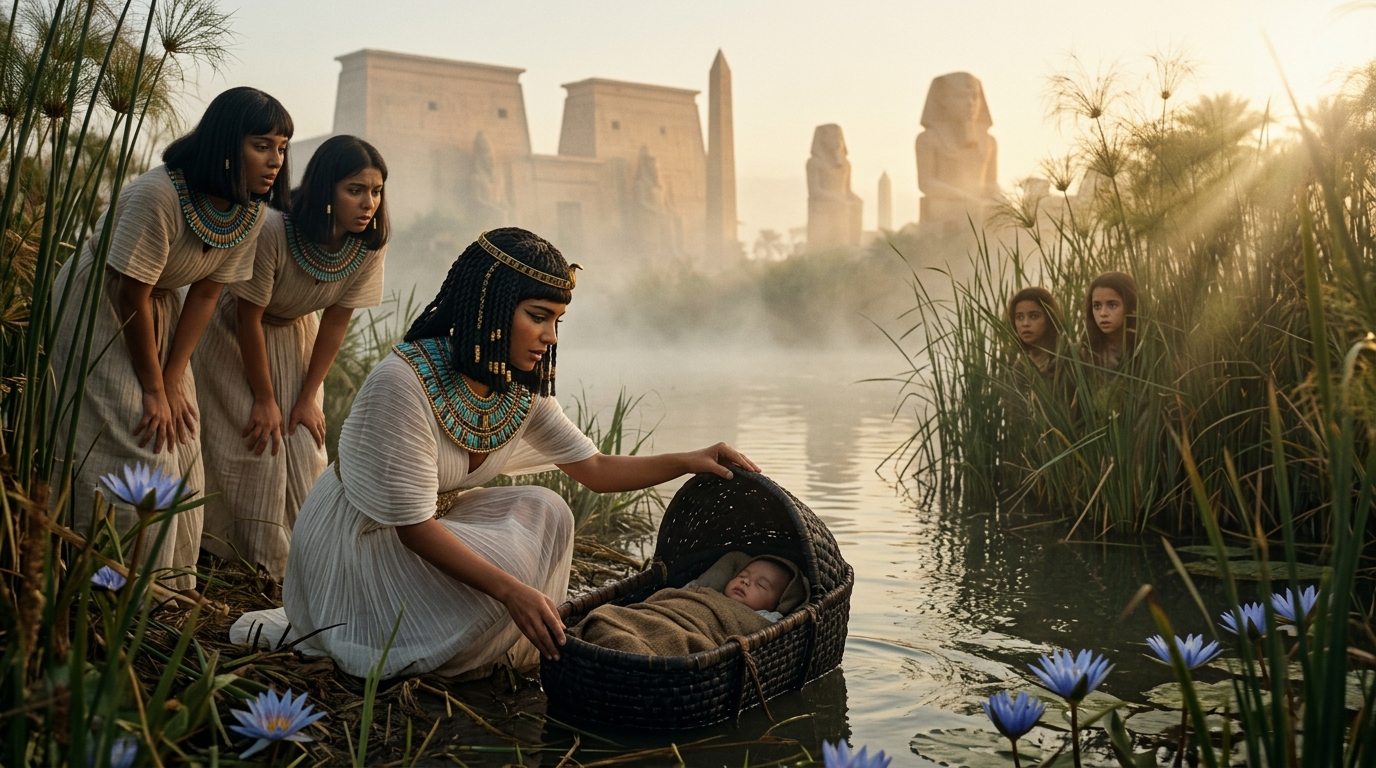
Incorporating these elements into a Moses game requires a careful balance of historical authenticity and creative interpretation. Ancient Egypt was a land of complex social structures and religious practices, with temples and hidden shrines dotting its landscape. These locations could be reimagined in the game as places where players can witness the intersection of divine and mortal affairs, offering a glimpse into the spiritual life of the era.
Designing Hidden Sanctuaries: Balancing Mystery and Accessibility
Creating hidden sanctuaries within a game world involves striking a delicate balance between mystery and accessibility. These spaces should entice players with the promise of discovery while still being attainable enough to encourage exploration. One approach could involve designing these sanctuaries as optional areas that blend seamlessly into the environment, using natural formations or architectural remnants as entry points.
For instance, a seemingly ordinary cave might house an ancient altar, or a forgotten temple could lie beneath the sands, revealed only through environmental clues. By integrating these hidden areas naturally into the game world, players are motivated to observe their surroundings closely, fostering a sense of curiosity and wonder.
Narrative and Gameplay Rewards: What Players Discover
The rewards for uncovering hidden sanctuaries in a Moses game can be multifaceted, offering both tangible and intangible benefits. Players might find rare artifacts, gain unique abilities, or unlock new narrative threads that deepen their understanding of the game’s story. These discoveries could also provide insights into the cultural and spiritual beliefs of the time, enriching the player’s experience with historical context.
Moreover, these sanctuaries could serve as places of reflection and respite, allowing players to engage with the narrative on a more personal level. By interacting with these sacred spaces, players might experience moments of revelation that tie back to the overarching themes of faith, leadership, and liberation central to Moses’ journey.
Environmental Storytelling Techniques for Discovery
Effective environmental storytelling is key to guiding players toward hidden sanctuaries without explicit directions. Visual cues such as distinct flora, unusual rock formations, or ancient symbols can subtly hint at the presence of a hidden area. Audio cues, like the distant sound of chanting or a change in musical tone, can also alert players to the proximity of a sacred space.
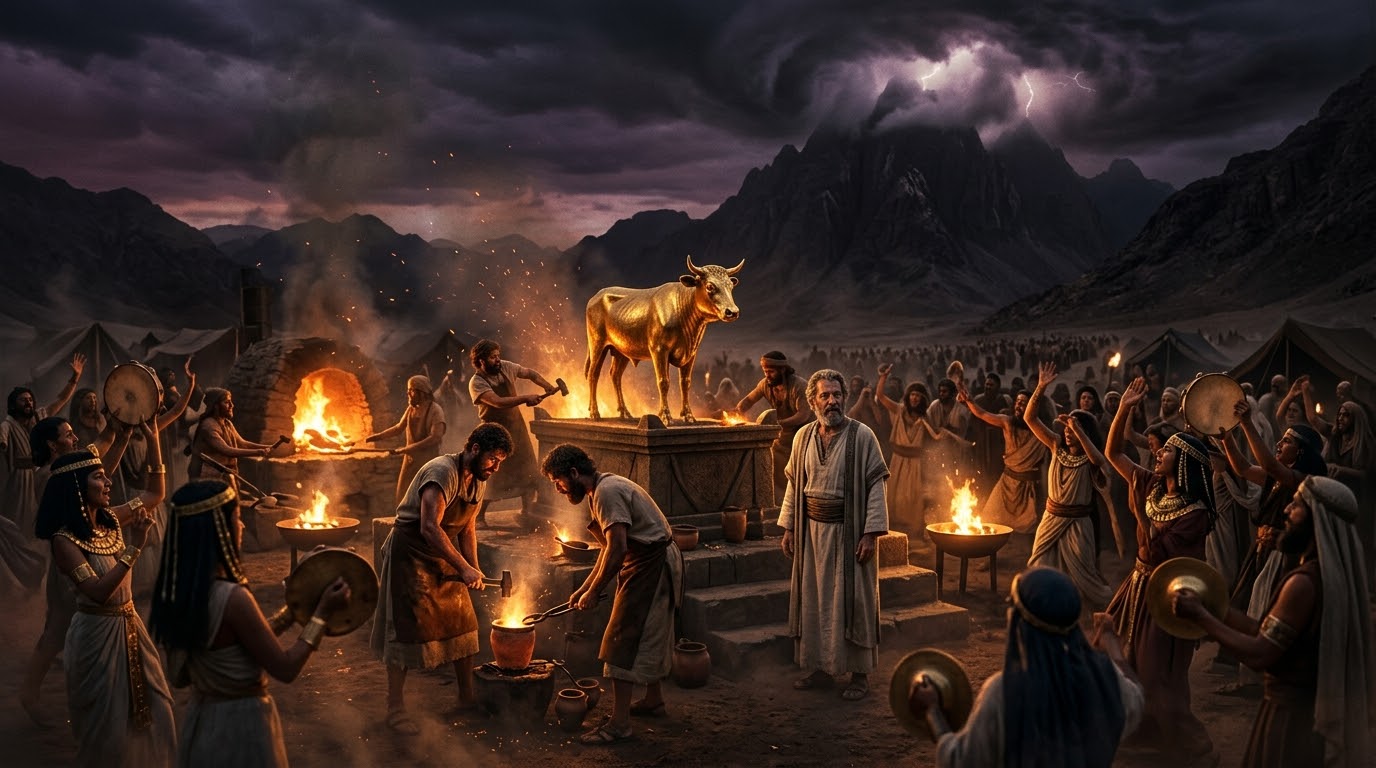
Dynamic lighting and weather effects can further enhance the atmosphere, drawing players toward these sanctuaries. For example, a shaft of light breaking through stormy clouds might illuminate a hidden entrance, or a sudden sandstorm could reveal the outline of a buried temple. These techniques not only aid in discovery but also contribute to the game’s immersive worldbuilding.
Conclusion: Enhancing Immersion Through Secrets
The integration of hidden sanctuaries and sacred spaces in a Moses game offers a powerful tool for enhancing player immersion and narrative depth. By weaving these elements into the fabric of the game world, developers can create a rich tapestry of exploration and discovery that resonates with the historical and spiritual legacy of Moses’ story.
Ultimately, these hidden sanctuaries serve as more than just optional content; they are gateways to a deeper understanding of the game’s themes and the ancient world it seeks to portray. As players uncover these secrets, they are not only rewarded with gameplay benefits but also with a profound sense of connection to the timeless narrative of faith, perseverance, and redemption.