Shepherd of Souls: Exploring Moses’ Metamorphosis Through Wilderness Shepherding
Explore how Moses’ time as a shepherd can shape player growth, leadership, and transformation in a game setting.

The Wilderness as a Stage for Transformation
The story of Moses is often defined by dramatic moments: the parting of the Red Sea, the Ten Commandments, and the plagues of Egypt. However, a less explored but equally transformative period in his life is his time as a shepherd in the wilderness of Midian. This era of his life offers rich potential for game designers to explore themes of personal growth, leadership, and spiritual transformation. By focusing on Moses’ years as a shepherd, developers can create an immersive experience that highlights the subtle yet profound changes that occur in his character, setting the stage for his future leadership.
Moses’ Years as a Shepherd: A Journey of Leadership and Faith
Moses’ transition from Egyptian prince to humble shepherd marks a critical phase in his life. Forced to flee Egypt after killing an Egyptian overseer, Moses finds refuge in Midian, where he is welcomed by the family of Jethro, a priest, and marries Zipporah, Jethro’s daughter. This period of exile offers Moses the opportunity to develop a new identity, away from the corridors of power in Egypt.
In a game setting, players could experience this transformation through quests that emphasize leadership and faith. Tasks such as protecting the flock from predators, navigating the harsh desert terrain, and managing resources could serve as metaphors for the challenges of leadership. These activities would not only develop Moses’ character but also engage players in a narrative of growth and resilience.

Environmental Storytelling: Using the Desert Landscape to Reflect Inner Growth
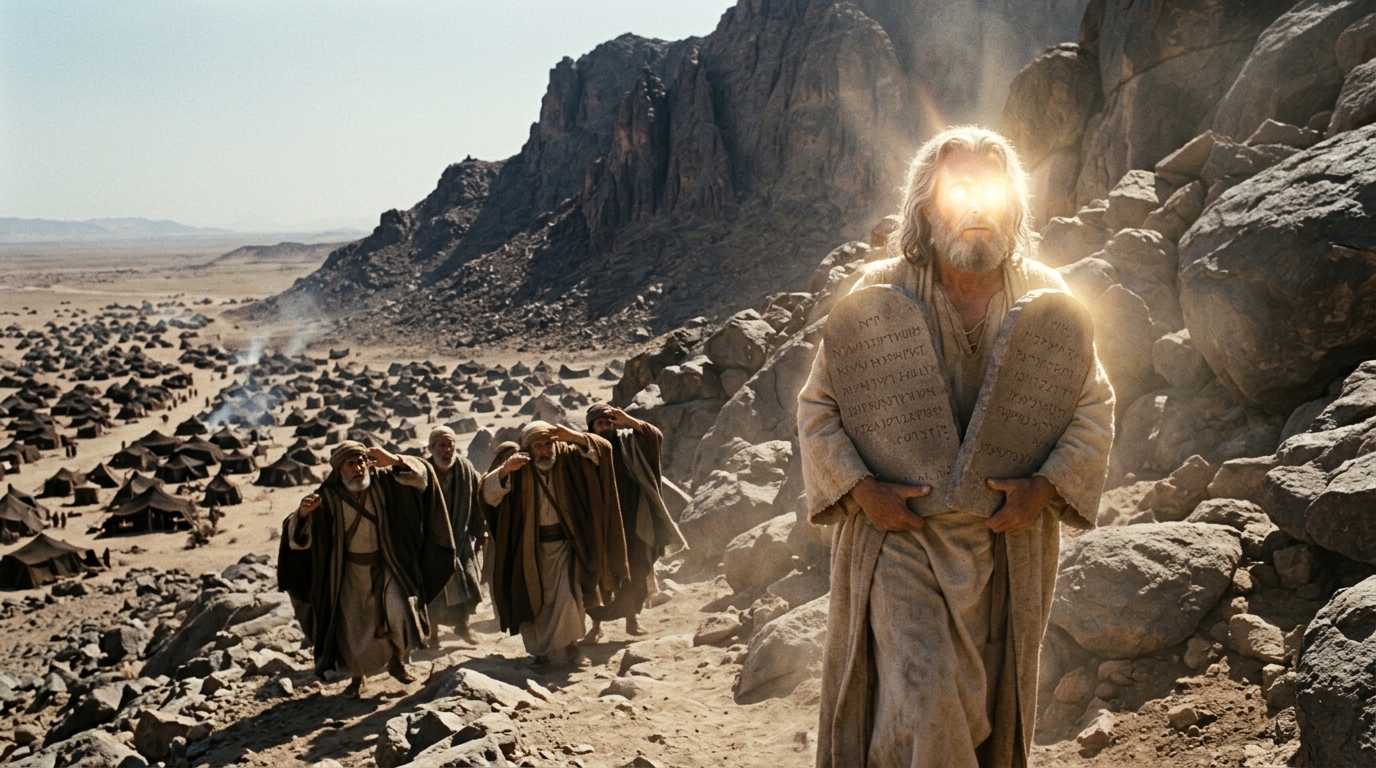
The wilderness of Midian is more than just a backdrop; it is a character in its own right. The harsh, unforgiving landscape can serve as a powerful metaphor for Moses’ internal journey. The desert’s vastness and solitude provide a canvas for environmental storytelling, allowing players to experience the isolation and introspection that Moses undergoes.
Designers can use the environment to mirror Moses’ spiritual and emotional states. For example, a barren, desolate area could reflect moments of doubt and despair, while an oasis or a blooming desert could symbolize hope and renewal. Through dynamic weather systems and day-night cycles, the game could convey the passage of time and the gradual evolution of Moses’ character.
Connecting with the Community: Relationships and Personal Development
Moses’ interactions with his newfound community in Midian play a crucial role in his transformation. His relationship with Zipporah and his mentorship under Jethro provide opportunities for personal growth and development. In a game, these relationships could be explored through dialogue options, side quests, and character development arcs.
By fostering these connections, players can experience the importance of community and support in personal transformation. Conversations with Zipporah might reveal insights into Moses’ past and future, while guidance from Jethro could offer wisdom and encouragement. These interactions would not only enrich the narrative but also provide players with a deeper understanding of Moses’ motivations and struggles.
Gameplay Mechanics: Integrating Shepherding into Character Progression
Integrating shepherding elements into gameplay offers a unique opportunity for character progression. Players could undertake tasks that mirror the responsibilities of a shepherd, such as tending to the flock, repairing equipment, and ensuring the well-being of the community. These activities would serve as practical lessons in leadership and stewardship.
Mechanics such as skill trees and experience points could be tied to shepherding tasks, rewarding players for successful management and decision-making. As players guide Moses through these challenges, they could unlock new abilities and leadership traits, reflecting his growth from a fugitive into a capable leader.
Conclusion: Crafting a Meaningful Experience Through Moses’ Transformation
By focusing on Moses’ time as a shepherd, game developers have the opportunity to craft a meaningful experience that emphasizes personal growth and transformation. This period of his life, often overshadowed by more dramatic events, offers a rich narrative landscape for exploration.
Through environmental storytelling, character interactions, and shepherding mechanics, players can experience the gradual evolution of Moses’ character. In doing so, they can engage with themes of leadership, faith, and self-discovery, creating a game that resonates on a personal level and offers a fresh perspective on a timeless story.