Wells of Wisdom: The Role of Water Sources in Moses’ Wilderness Years
Explore how wells and oases can enhance narrative depth and gameplay in a Moses-themed game.
Introduction: The Importance of Water in Ancient Times
Water is a fundamental resource, vital for survival and civilization. In the arid landscapes of ancient Egypt and the Sinai wilderness, access to water was not just a matter of life and death but a pivotal element around which communities and narratives revolved. For game developers and narrative designers working on a Moses-themed video game, the incorporation of wells, oases, and other water sources offers a rich tapestry of possibilities for enhancing both gameplay and storytelling.
Historical and Biblical Perspectives on Wells
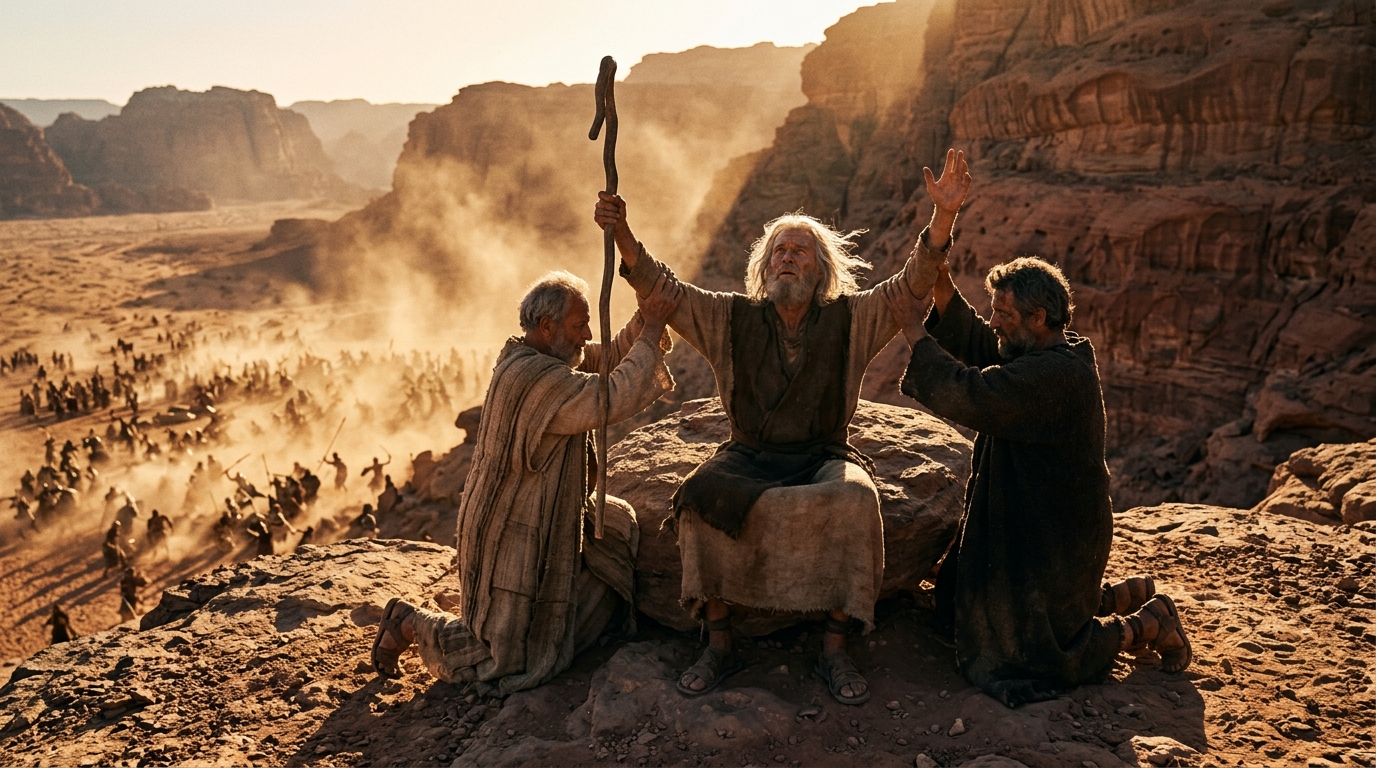
In the biblical narrative, water sources such as wells and oases play significant roles. The story of Moses is no exception. As the Israelites wandered the desert, wells became crucial sites of sustenance and divine intervention. The Bible recounts several instances where Moses interacted with water sources, such as when he struck a rock to bring forth water at Horeb (Exodus 17:6). Historically, wells were central to survival in desert environments, serving as meeting points and sustaining life in inhospitable regions. Archaeological evidence supports the existence of ancient wells, underscoring their importance in the narrative and daily life.
Integrating Water Sources into Game Design
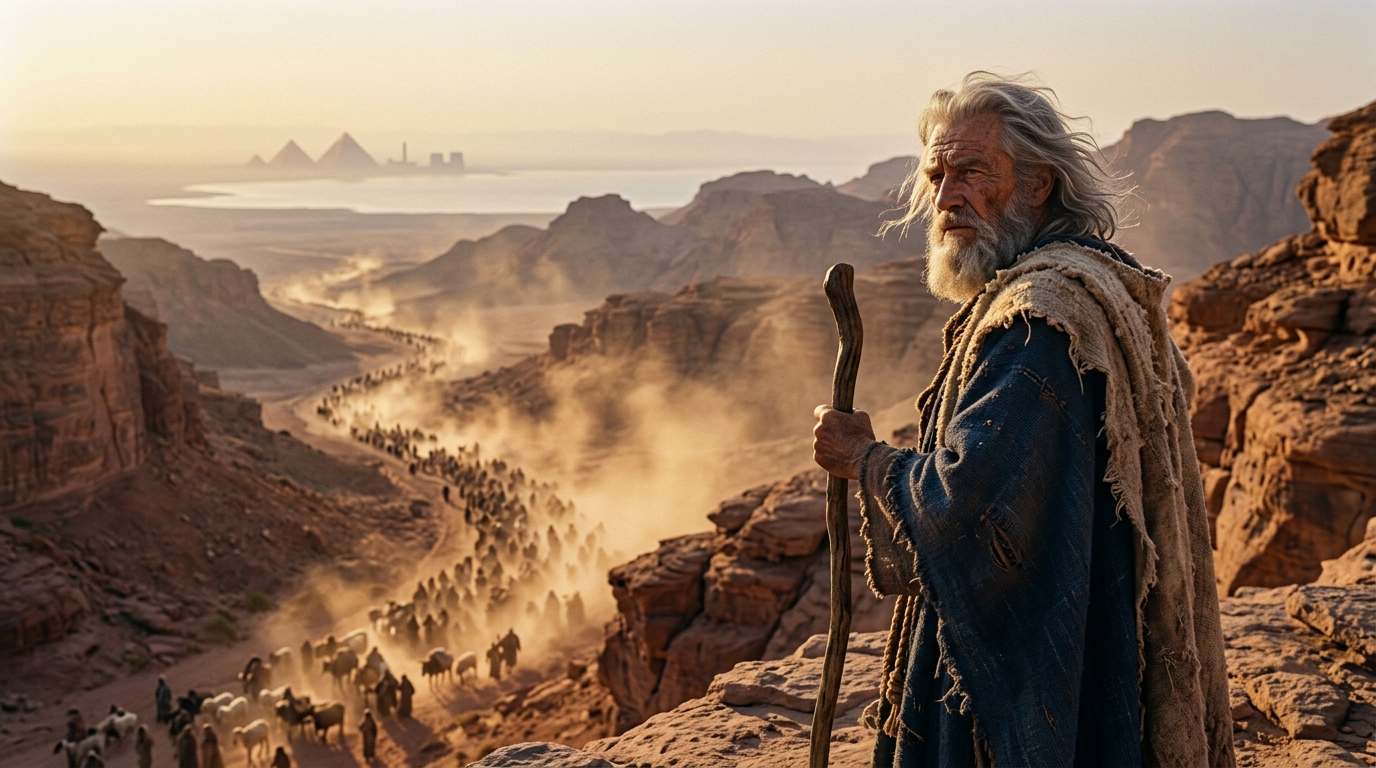
In a Moses-themed game, water sources can be more than just survival checkpoints. They can be integrated into the core mechanics, influencing exploration, resource management, and player decisions. For instance, players could be tasked with locating and securing water, adding a strategic layer to gameplay. Water sources could also serve as fast travel points or hubs where players can trade, gather information, or receive quests. This integration enriches the gaming experience, providing players with tangible goals and a sense of progression.
Narrative and Character Development Through Water
Water sources offer fertile ground for character development and interaction. In the context of a Moses game, wells and oases can be places where characters meet, share stories, and form alliances. These interactions can reveal character backstories, motivations, and conflicts, adding depth to the narrative. For example, a quest might involve helping a community repair a well, fostering relationships and uncovering subplots that enrich the main storyline. Such elements can make characters more relatable and the narrative more engaging.
Designing Atmosphere and Setting with Water
The design of wells and oases can significantly contribute to the atmosphere and setting of the game. Visual and auditory elements, such as the sound of water in an otherwise silent desert, can create a sense of relief and hope. The lushness of an oasis can contrast with the surrounding barrenness, emphasizing the theme of survival and divine providence. By carefully crafting these environments, developers can immerse players in the world of Moses, making the setting feel authentic and alive.
Conclusion: Wells as Pillars of Wilderness Storytelling
Incorporating wells and water sources into a Moses-themed game offers unique opportunities for narrative and gameplay innovation. These elements can serve as pivotal points for character interaction, plot development, and player engagement. By emphasizing the symbolic and practical significance of water in the wilderness, developers can create a more immersive and meaningful gaming experience. Wells and oases, far from being mere survival resources, can become the pillars of storytelling, driving both the narrative and the player’s journey through the harsh, yet richly detailed world of Moses.