Unseen Messages: Decoding the Symbols and Inscriptions of the Exodus Route
Explore how hidden symbols along the Exodus route can enhance narrative immersion and reward exploration in a Moses-inspired game.
Introduction: Hidden Narratives and Ancient Symbols
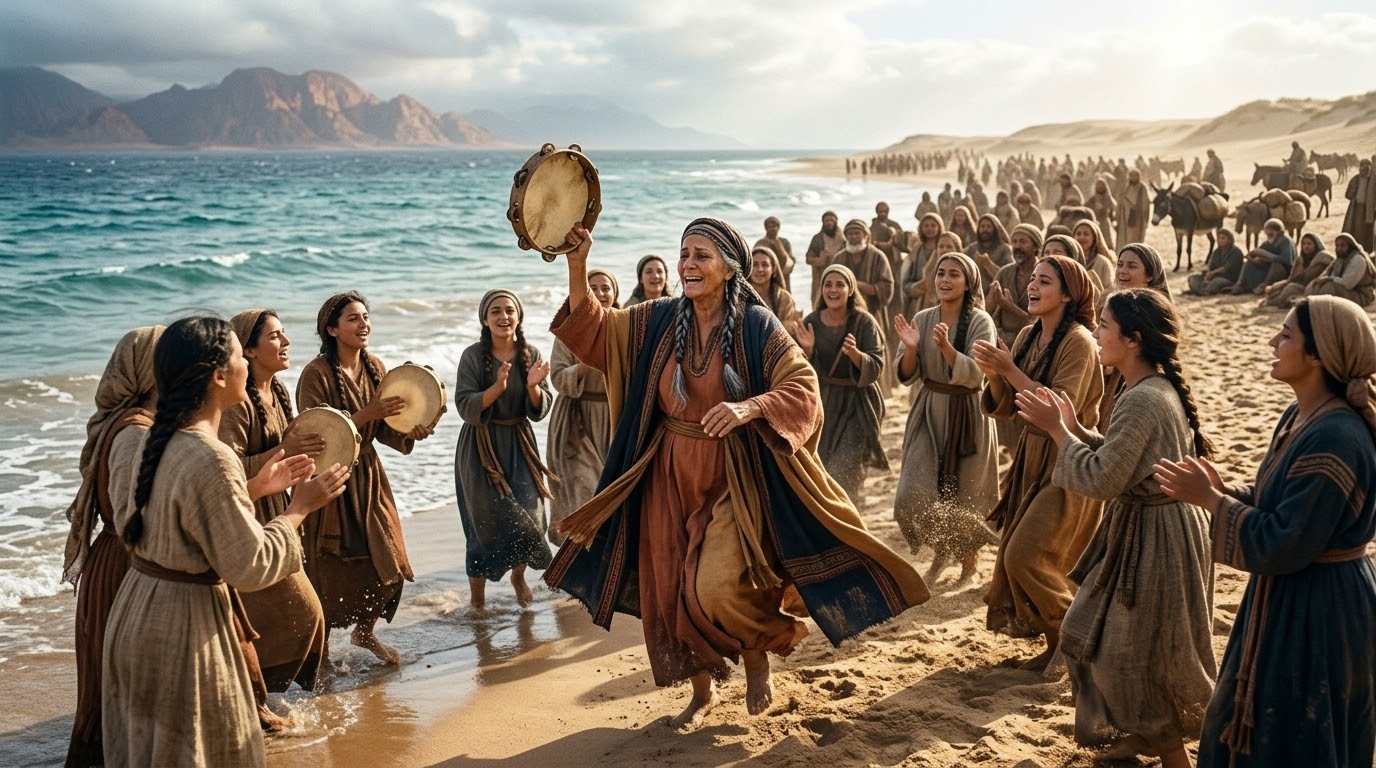
The journey of the Exodus, as recounted in biblical narratives, is a tale rich with drama, divine intervention, and human perseverance. Yet, much of what might have occurred during this epic journey remains shrouded in mystery. For game developers and narrative designers, this presents a unique opportunity: to use hidden symbols and ancient inscriptions as tools for storytelling, deepening the narrative immersion and rewarding players who engage in exploration. By embedding these elements within a game inspired by the Exodus, developers can add layers of intrigue and discovery, inviting players to uncover the untold stories of this legendary journey.
Historical and Biblical Inspirations for In-Game Inscriptions
To craft a compelling narrative using symbols and inscriptions, it’s essential to draw inspiration from both historical and biblical sources. Ancient Egyptian and Near Eastern artifacts often feature hieroglyphs and symbols that convey complex messages about daily life, religious beliefs, and historical events. Similarly, the biblical account of the Exodus mentions various locations and events that can serve as inspiration for in-game content.
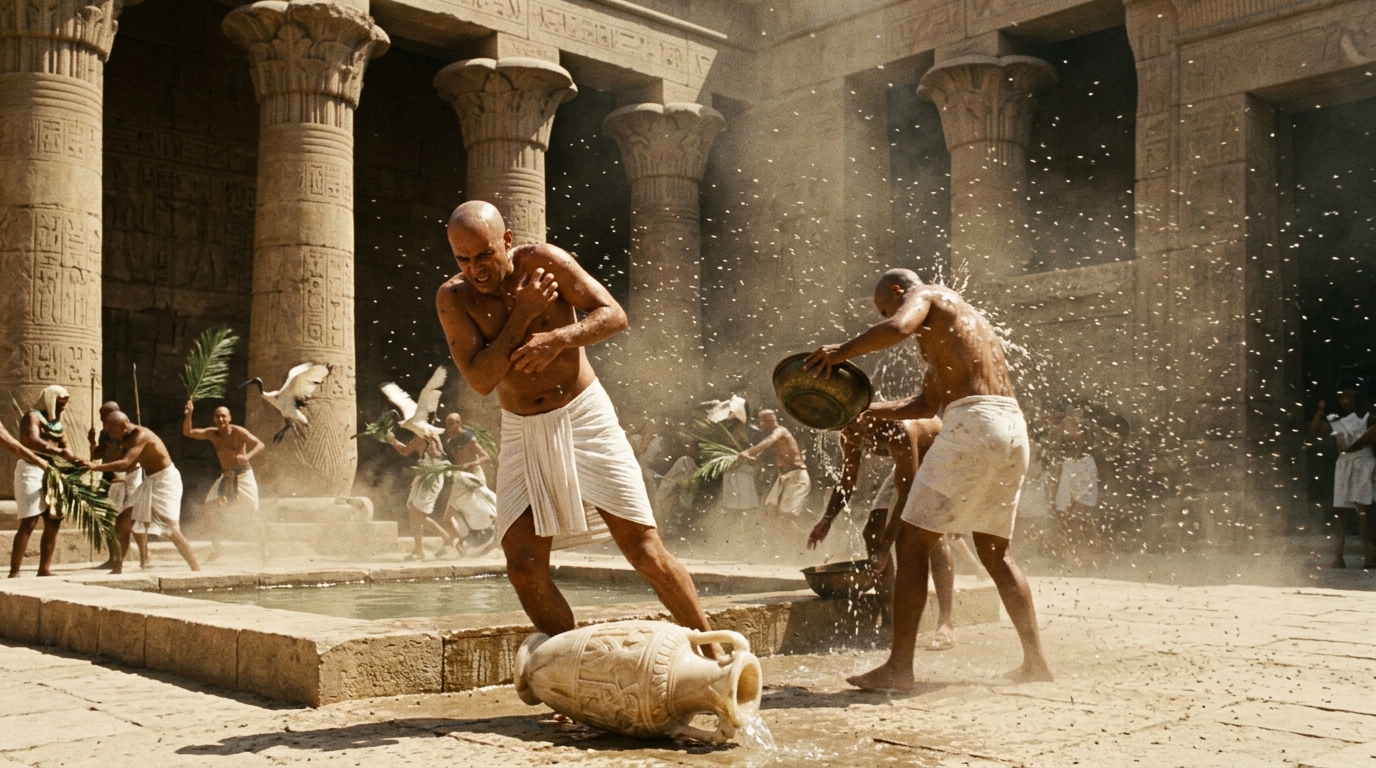
For instance, developers might incorporate hieroglyphic symbols found on temple walls or ancient pottery shards to provide context about the cultures that the Israelites encountered. Inscriptions could hint at alliances, conflicts, or trade relations, offering players a glimpse into the socio-political landscape of the time. By carefully blending historical accuracy with creative storytelling, these elements can enhance the game’s authenticity and depth.
Gameplay Mechanics for Interpreting Ancient Messages
Integrating ancient symbols and inscriptions into gameplay requires innovative mechanics that allow players to interact with and interpret these messages. One possible approach is to create a puzzle-solving system where players must decipher symbols to unlock new areas or gain valuable information. This could involve matching symbols to their meanings, using historical knowledge as a key, or even engaging with NPCs who offer insights into the inscriptions.
Another potential mechanic is the use of a ‘scribe’ or ‘interpreter’ character within the game, who can aid the player in understanding complex messages. This character could provide historical context or offer clues, making the discovery process more engaging and educational. Such mechanics not only enrich the gameplay experience but also encourage players to delve deeper into the historical and cultural aspects of the Exodus.
Enhancing Narrative and World Depth Through Secrets
Incorporating hidden symbols and inscriptions allows developers to weave secret narratives that players can uncover through exploration. These hidden elements can reveal backstories of minor characters, detail the challenges faced by the Israelites, or even disclose divine interventions that are not explicitly mentioned in the main storyline.
For example, a series of inscriptions might tell the tale of a lost tribe or a forgotten battle, providing players with a richer understanding of the world they are navigating. By rewarding players who take the time to explore and piece together these stories, developers can create a more immersive and emotionally resonant game world.
Rewarding Player Exploration and Curiosity
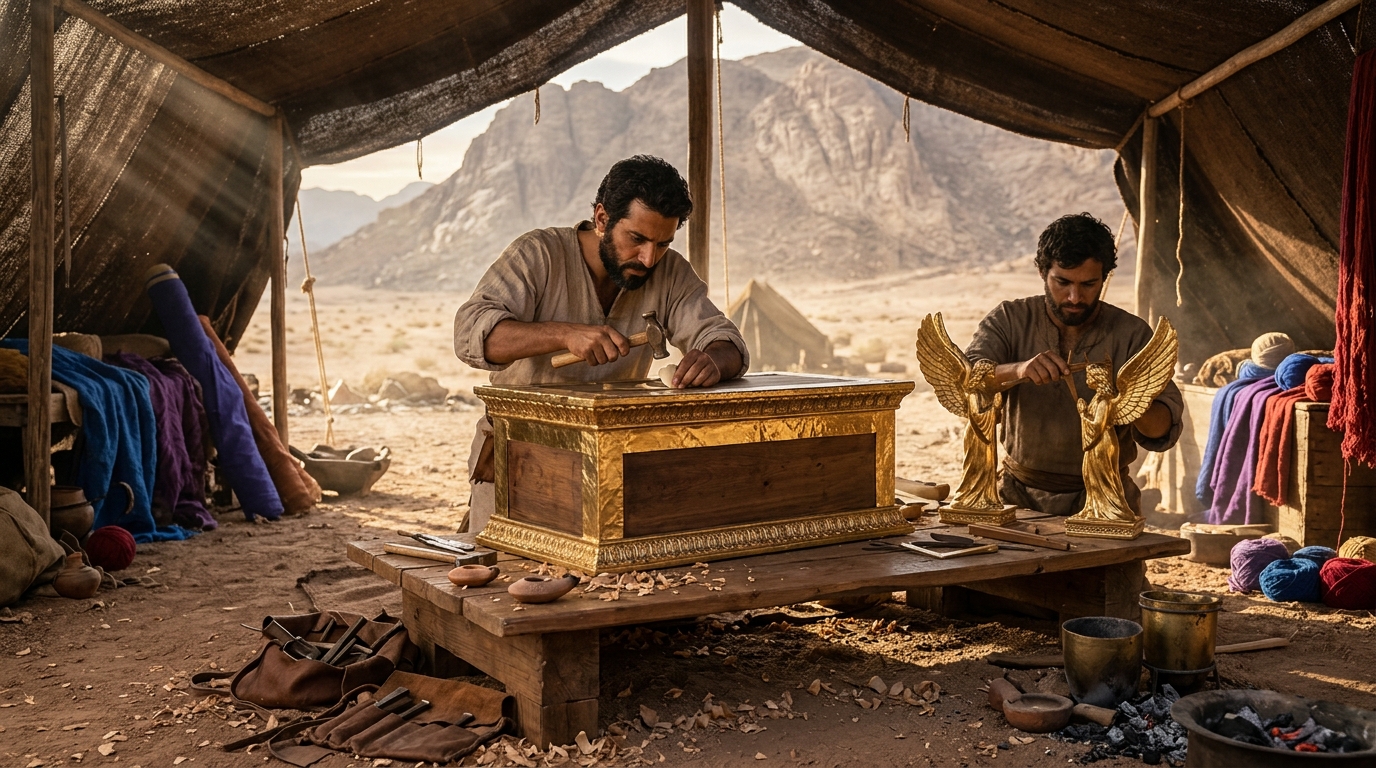
One of the key benefits of using symbols and inscriptions is their ability to reward player curiosity and exploration. As players uncover these hidden elements, they gain not only narrative insights but also tangible rewards, such as unique items, skills, or access to secret locations. This creates a positive feedback loop, encouraging players to continue exploring and engaging with the game world.
Moreover, these discoveries can foster a sense of personal achievement and connection to the game’s story. By allowing players to feel like archaeologists or historians piecing together the past, the game can offer a uniquely satisfying experience that blends education with entertainment.
Conclusion: The Impact of Mysteries and Discoveries on Player Experience
The integration of hidden symbols and ancient inscriptions into a Moses-inspired game offers a powerful tool for enhancing narrative depth and player engagement. By drawing on historical and biblical sources, developers can create a rich tapestry of stories that reward exploration and curiosity. These elements not only add layers of mystery and discovery but also invite players to connect more deeply with the world and its history.
Ultimately, the use of symbols and inscriptions transforms the game into a living, breathing historical narrative, where every discovery enriches the player’s understanding and enjoyment of the Exodus journey. This approach not only respects the complexity of the source material but also elevates the gaming experience to one of meaningful exploration and discovery.