From Prince to Refugee: The Impact of Moses’ Exile on Story and Gameplay
Explore how Moses’ transformative exile in Midian can enrich video game narratives and mechanics with depth and cultural authenticity.
Introduction: The Significance of Moses’ Exile
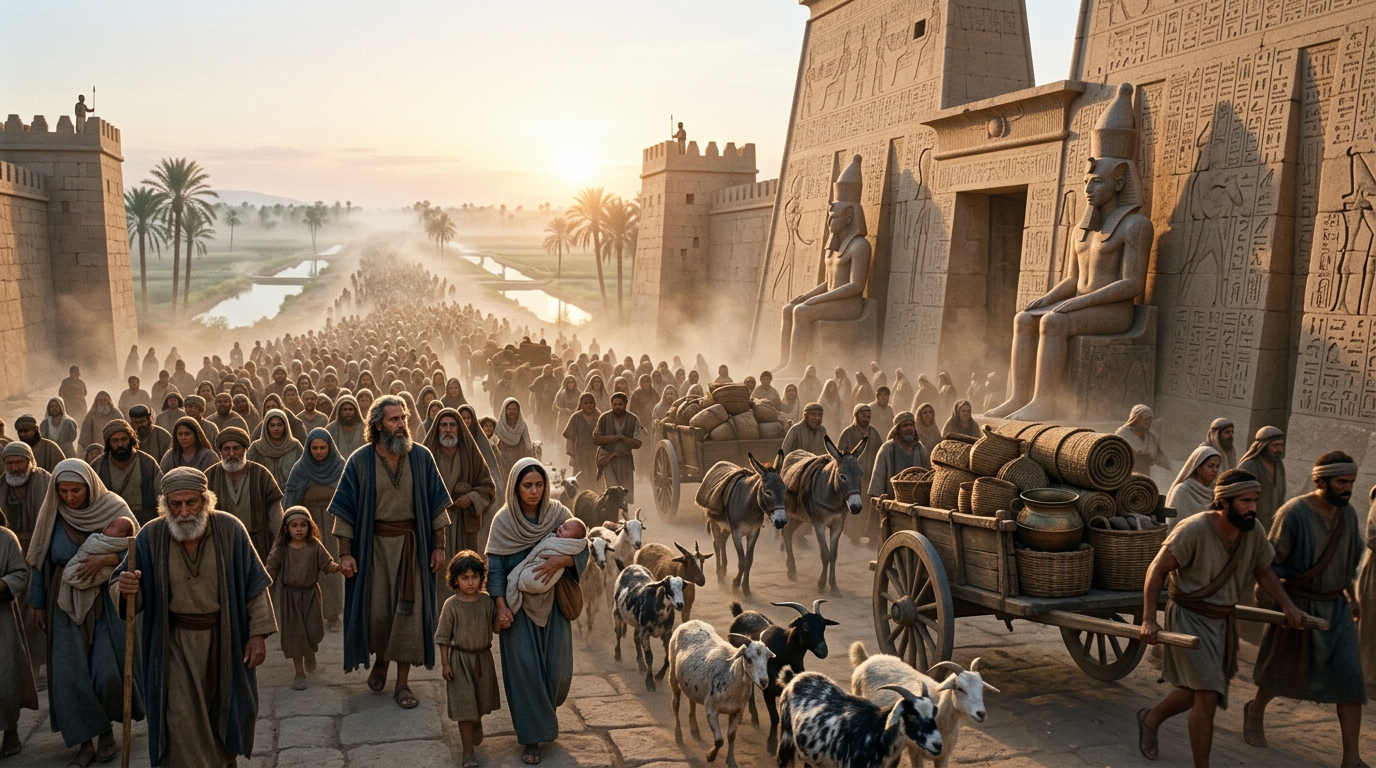
The story of Moses is one of the most captivating narratives in biblical literature, filled with dramatic events and profound transformations. While much attention is often given to his leadership during the Exodus and the miraculous events associated with it, a crucial chapter in Moses’ life that deserves closer scrutiny is his period of exile in Midian. This phase not only shaped his identity but also laid the groundwork for his future role as a leader. In the context of video game design, Moses’ exile offers rich opportunities for narrative depth and gameplay innovation.
Narrative Potential of Moses’ Midian Years
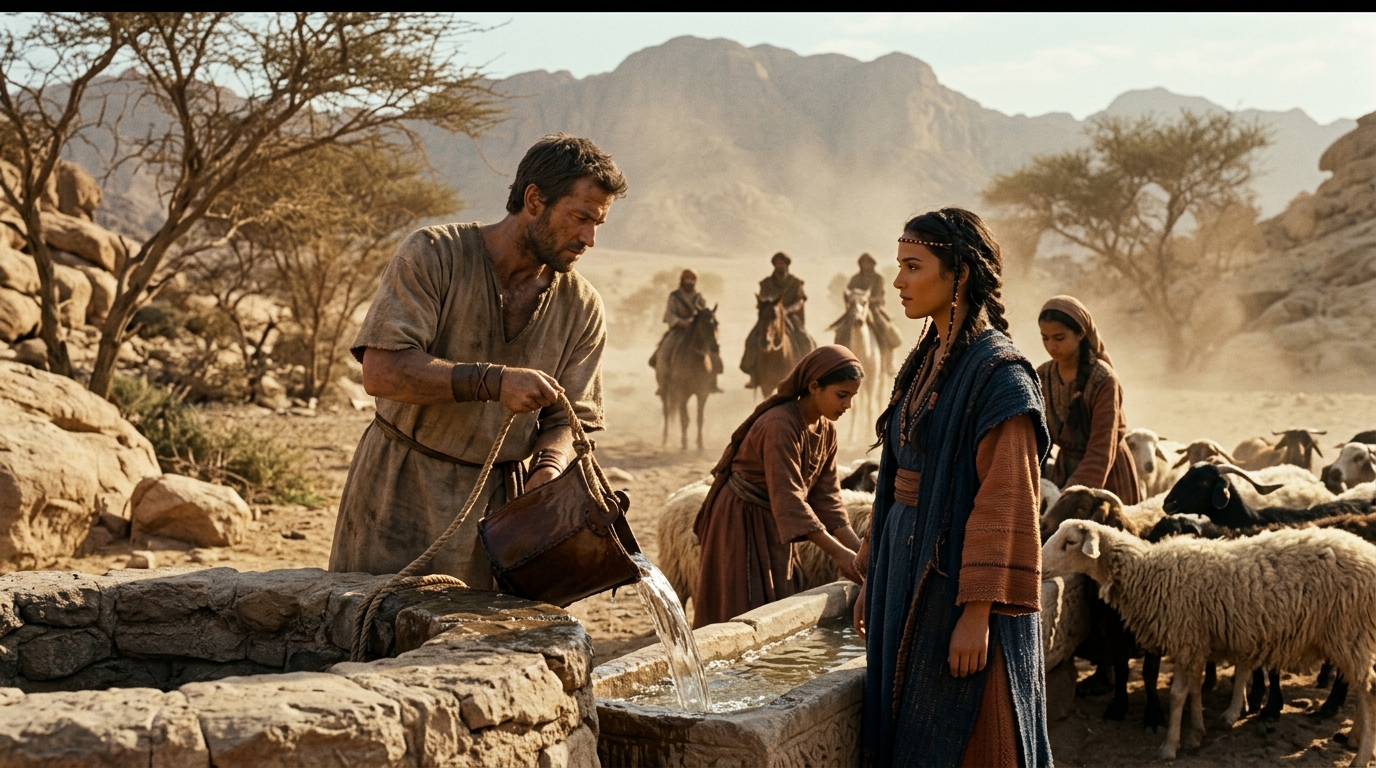
Moses’ exile in Midian is a period marked by introspection, growth, and preparation. After fleeing Egypt to escape the wrath of Pharaoh, Moses finds himself in a foreign land, where he must adapt to a new way of life. This time of exile is crucial in shaping Moses’ character, allowing him to transition from a privileged Egyptian prince to a humble shepherd and eventually a leader of his people.
In a video game setting, this transformative journey can be depicted through a series of quests and interactions that highlight Moses’ internal struggles and personal growth. Players could experience the challenges of adapting to a new culture, forming relationships with the Midianites, and discovering a sense of purpose. This narrative arc provides an opportunity to explore themes of identity, resilience, and leadership development, offering players a deeper connection to Moses as a character.

Translating Isolation and Growth into Game Mechanics
To effectively capture the essence of Moses’ exile, game mechanics should reflect the themes of isolation, growth, and self-discovery. One approach could be to design a skill tree that evolves as Moses learns and adapts to his new environment. Initially, players might face limitations in resources and abilities, mirroring Moses’ initial isolation and vulnerability. As the game progresses, players could unlock new skills and abilities, symbolizing personal growth and adaptation.
Moreover, the game could incorporate survival elements, where players must gather resources and learn to navigate the harsh Midian desert. These mechanics would not only enhance the realism of the setting but also emphasize the resilience and resourcefulness that Moses develops during his exile. By overcoming obstacles and building relationships with the local community, players would experience the gradual transformation of Moses from an outsider to a respected leader.
Cultural and Environmental Worldbuilding of Midian
The land of Midian, where Moses takes refuge, offers a rich tapestry of cultural and environmental elements that can enhance the game’s worldbuilding. Historically, Midian was a region inhabited by nomadic tribes, known for their distinct customs and way of life. Integrating these cultural aspects into the game can provide players with an immersive experience that goes beyond the typical portrayal of ancient settings.
Developers could create detailed environments that reflect the geography and climate of Midian, from its rugged landscapes to its vibrant oases. Encounters with Midianite characters could introduce players to traditional practices, such as pastoralism and trade, offering insights into the daily life and social structure of the time. These elements would not only enrich the narrative but also provide educational value, allowing players to appreciate the historical and cultural context of Moses’ exile.
Conclusion: Enriching the Moses Story through Exile
By focusing on Moses’ exile in Midian, game developers have the opportunity to explore a pivotal yet often overlooked chapter in his life. This period of transformation can serve as a foundation for a compelling narrative that emphasizes personal growth, cultural immersion, and the development of leadership qualities. Through thoughtful integration of game mechanics and worldbuilding, players can engage with Moses’ story in a meaningful way, gaining insights into his journey from prince to refugee and ultimately to leader.
Incorporating Moses’ exile into a video game narrative not only enriches the storytelling experience but also allows for a deeper exploration of themes that resonate with players on a personal level. By drawing on historical and cultural insights, developers can create a game that is both entertaining and enlightening, offering a fresh perspective on one of history’s most enduring figures.