The Silence and the Song: Exploring the Role of Natural Soundscapes in Moses’ Wilderness Years
Explore how natural soundscapes can enhance Moses’ wilderness journey in games, reflecting spiritual solitude and growth.
Introduction: The Power of Sound in Gaming
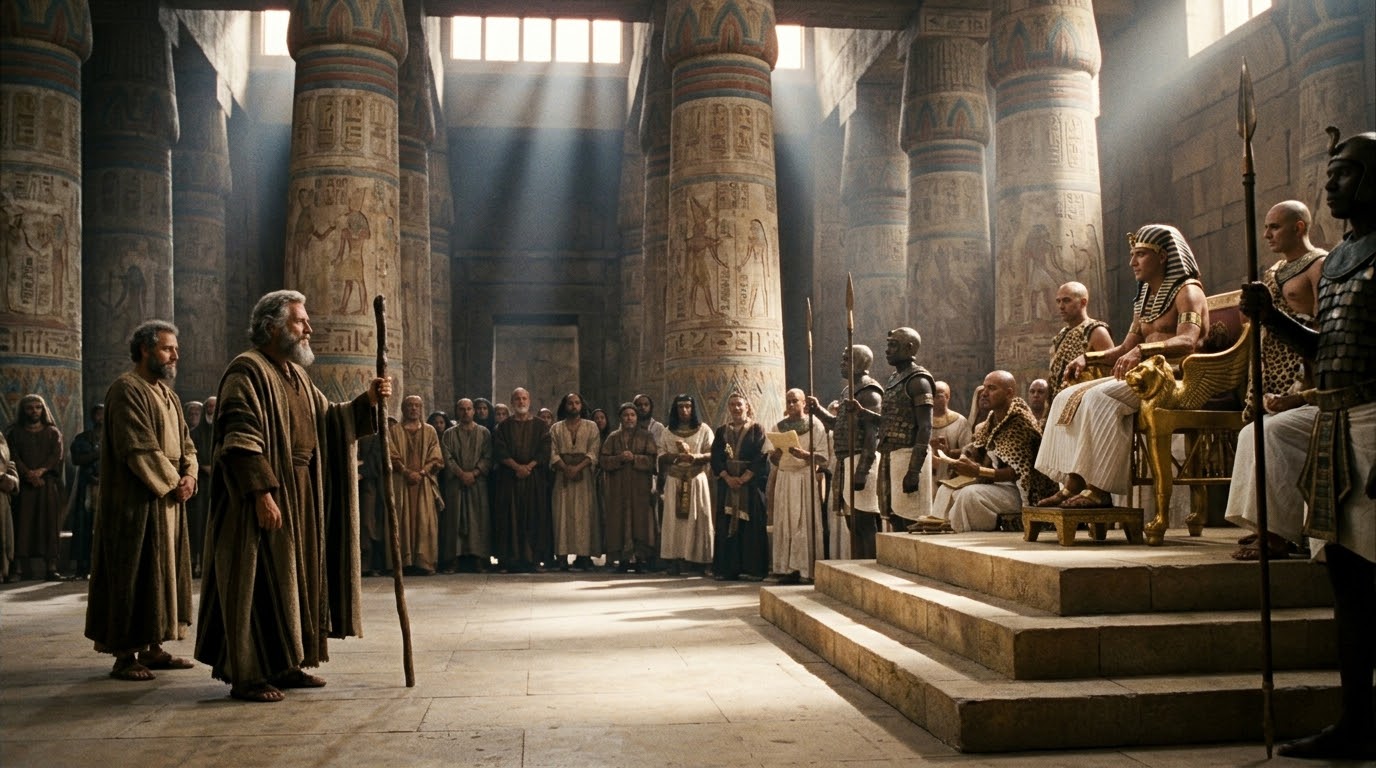
In the realm of video game design, sound is a powerful yet often underappreciated tool. While graphics and gameplay mechanics frequently take center stage, the auditory experience can significantly shape player engagement and emotional response. This is particularly true for games that aim to convey deep narratives and immersive environments. For a game centered on Moses’ wilderness years, sound design becomes a critical element in reflecting the spiritual and emotional journey of its protagonist. By harnessing natural soundscapes, developers can craft an experience that resonates with players on a profound level, mirroring Moses’ solitude and transformation.
Natural Soundscapes in the Wilderness: A Canvas for Player Experience
The wilderness, often depicted as vast and desolate, is rich with subtle sounds that can enhance a player’s experience of the environment. In a game about Moses, natural sound elements such as the rustling of wind through desert brush, the distant call of wildlife, and the gentle lapping of water at an oasis can be instrumental in building an authentic atmosphere. These sounds do more than populate the background; they invite players to immerse themselves in the landscape, offering a sense of place and history.
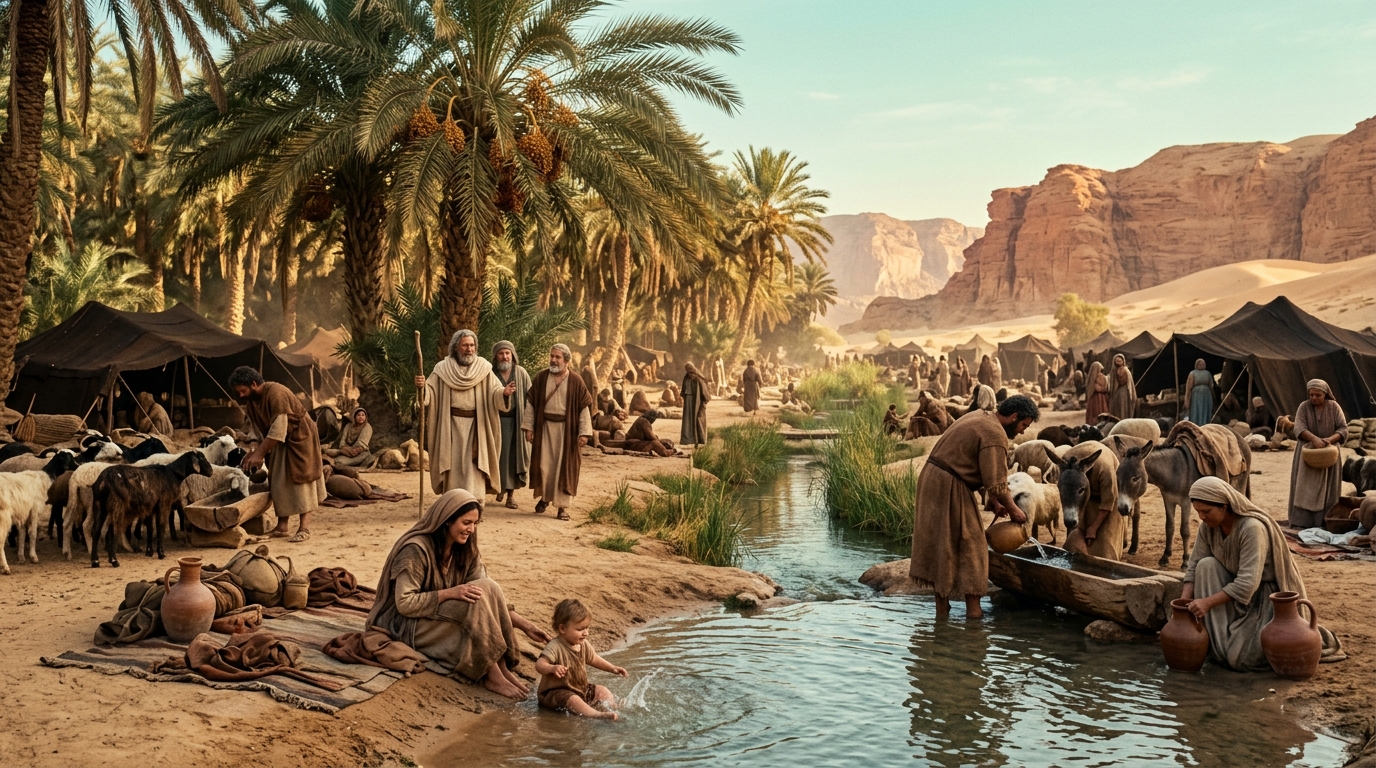
Incorporating dynamic soundscapes that change with time of day or weather conditions can further deepen this immersion. Imagine a scene where the day begins with the soft chirping of birds at dawn, transitioning to the relentless buzz of insects at noon, and finally settling into the eerie quiet of the desert night. Such auditory details can help convey the passage of time and the relentless, often harsh, beauty of the wilderness where Moses wandered.
The Role of Silence: Creating Emotional Depth and Reflective Spaces
While natural soundscapes are crucial, silence also plays a pivotal role in storytelling. In the context of Moses’ journey, silence can be employed to create moments of introspection and emotional depth. It is in the silence that players can connect with Moses’ inner struggles and triumphs, reflecting on themes of solitude, faith, and personal growth.
Silence in gaming is not merely the absence of sound but a deliberate choice that can heighten tension or provide relief. For instance, moments of silence following a significant narrative event can allow players to absorb the gravity of the situation, fostering a deeper emotional connection to the story. By strategically placing silence within the game, developers can guide players through Moses’ spiritual journey, inviting them to pause and reflect on the significance of his experiences.
Integrating Sound with Narrative: Building Moses’ Journey
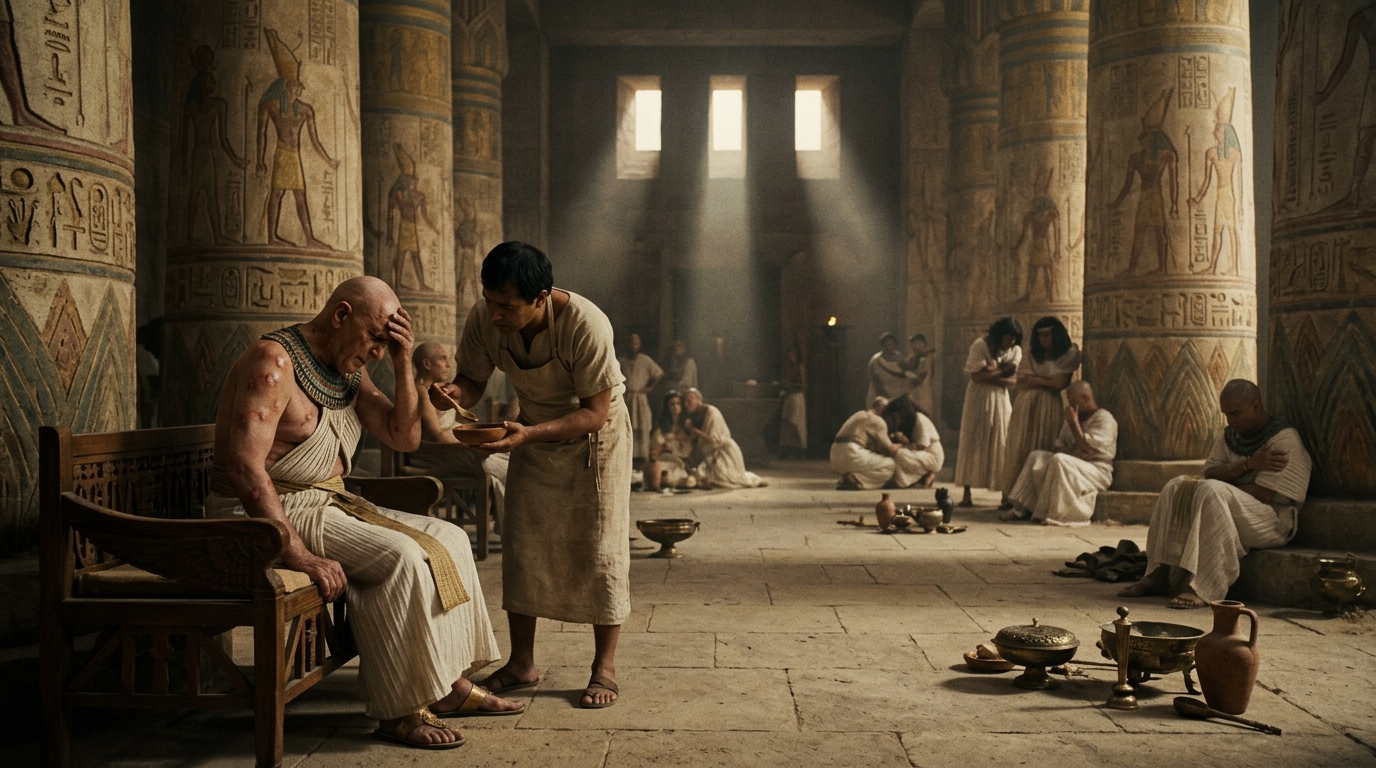
To truly capture the essence of Moses’ wilderness years, sound design must be intricately woven into the narrative fabric of the game. This involves not only the ambient sounds of the desert but also how these sounds interact with the storyline and character development. For example, the sound of a distant storm could symbolize impending challenges, while the serene trickle of a stream might represent moments of divine intervention or solace.
Furthermore, sound can be used to underscore key narrative moments and player decisions. As Moses encounters various trials and revelations, the soundscape could shift to reflect his emotional state—swelling with intensity during moments of doubt or softening during times of clarity and peace. By aligning sound with narrative progression, developers can enhance the player’s emotional journey, making Moses’ transformation more tangible and impactful.
Conclusion: Crafting an Immersive Wilderness Experience
In crafting a game about Moses’ wilderness years, sound design is not merely an auxiliary consideration but a fundamental component of storytelling. By leveraging the power of natural soundscapes and the strategic use of silence, developers can create an immersive and emotionally resonant experience that captures the spiritual essence of Moses’ journey. This approach not only enriches the narrative but also offers players a unique opportunity to engage with the game on a deeper level, experiencing the wilderness as Moses might have—through the silence and the song of the desert.