Crafting Cultural Authenticity: Representing Ancient Egyptian Beliefs in a Moses Game
Explore how a Moses game can authentically portray ancient Egyptian beliefs to enhance narrative depth and cultural authenticity.
Introduction: The Importance of Cultural Authenticity
In the realm of video game development, authenticity is a powerful tool. It can transform a game from mere entertainment into an immersive educational experience. For a game inspired by the biblical story of Moses and the Exodus, accurately representing ancient Egyptian beliefs is not just an artistic challenge but a narrative necessity. By weaving cultural authenticity into the fabric of the game, developers can create a world that feels both believable and deeply engaging, offering players a window into a civilization that has long fascinated historians and the general public alike.
Ancient Egyptian Religion: Sources and Interpretations
Understanding ancient Egyptian religion requires delving into a rich tapestry of myths, deities, and rituals. Primary sources such as temple inscriptions, the Book of the Dead, and various archaeological discoveries provide glimpses into the spiritual life of ancient Egypt. However, interpreting these sources is complex, as they often intertwine historical events with religious myths.
In a Moses-themed game, developers must navigate these complexities to present a narrative that respects both the historical context and the biblical story. For instance, while the Bible presents a monotheistic perspective, ancient Egypt was polytheistic, with gods like Ra, Osiris, and Isis playing significant roles in daily life and governance. This duality offers a rich narrative vein to explore, highlighting the cultural and religious contrasts that define the Exodus story.
Narrative Depth through Religious Representation
Accurately depicting Egyptian deities and religious ceremonies can add significant depth to the game’s narrative. Imagine a quest where players participate in a festival honoring Osiris, witnessing firsthand the rituals that underscore the Egyptians’ beliefs about life and the afterlife. Such experiences can provide context for the societal structures Moses and the Israelites were up against.
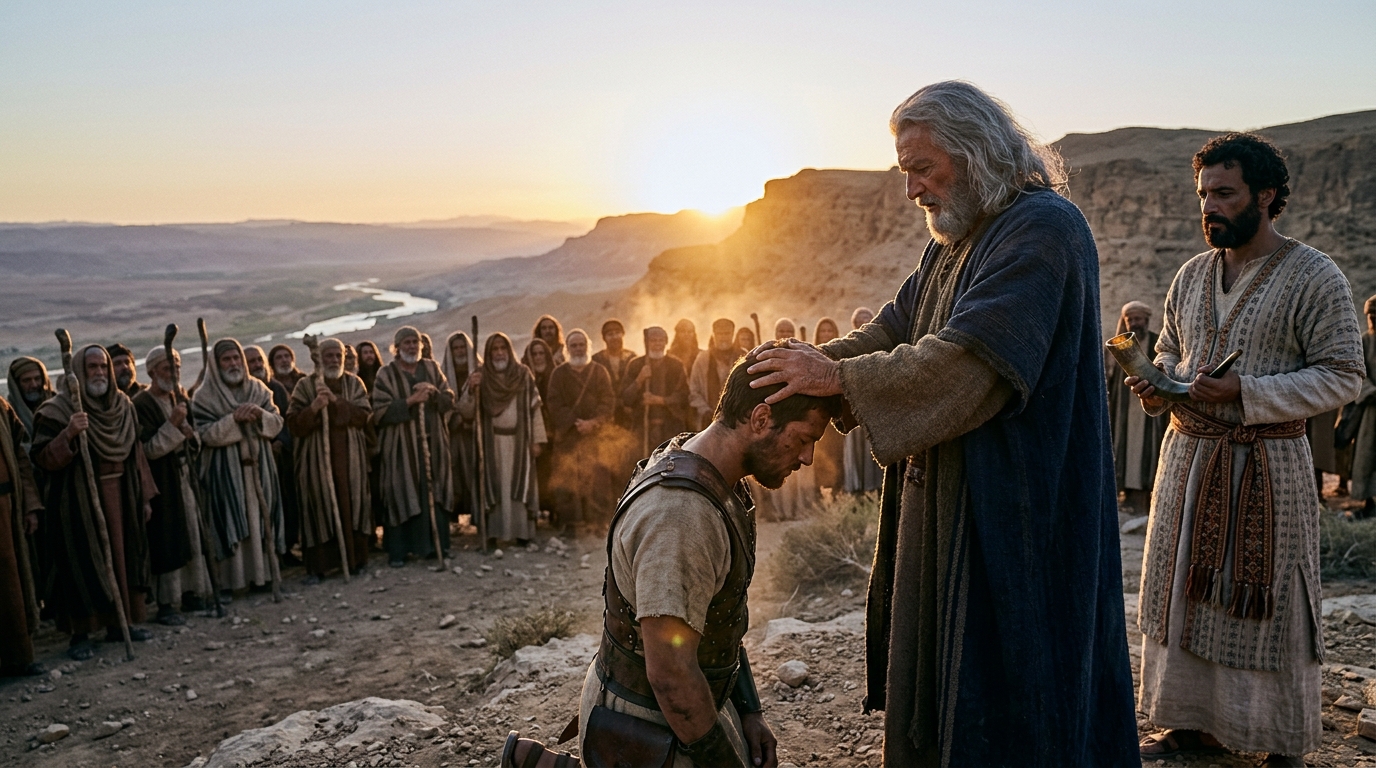
Moreover, these religious elements can serve as a backdrop for character development and plot progression. For example, interactions with Egyptian priests or witnessing a divine omen could influence Moses’ decisions, adding layers of complexity to his character and the player’s choices.
Balancing Education and Engagement in Gameplay
One of the key challenges in developing a historically grounded game is balancing educational content with engaging gameplay. While players may appreciate learning about ancient Egypt, the primary goal is still entertainment.
Interactive elements such as puzzles based on hieroglyphics or strategic decisions during religious ceremonies can educate players while keeping them engaged. For instance, a level could involve deciphering a temple’s carvings to unlock a secret passage, teaching players about Egyptian writing systems and architectural ingenuity.
By integrating educational content seamlessly into the gameplay, developers can ensure that learning about ancient religions enhances rather than detracts from the gaming experience.
Respectful Adaptation: Avoiding Stereotypes and Misrepresentations
Respectful representation is crucial in avoiding the pitfalls of stereotypes and misrepresentations that have plagued depictions of ancient Egypt in media. This involves steering clear of clichés, such as portraying Egyptians solely as pyramid builders or reducing their complex society to mere exoticism.
To avoid these traps, game developers should collaborate with Egyptologists and cultural historians to ensure accuracy and sensitivity. By doing so, the game can present a nuanced view of Egyptian society, reflecting its diversity and sophistication.
Furthermore, the game should acknowledge and respect the religious beliefs of both ancient Egyptians and modern audiences, presenting these elements in a way that is informative and respectful.
Conclusion: The Impact of Authenticity on Player Experience
Incorporating cultural authenticity into a Moses game not only enriches the narrative but also enhances the player’s experience. By presenting a world that feels genuine and historically informed, players can engage more deeply with the story, gaining insights into a pivotal moment in religious and cultural history.
Ultimately, the challenge of representing ancient Egyptian beliefs in a game is an opportunity to educate, entertain, and inspire. By balancing historical accuracy with creative storytelling, developers can craft a game that resonates with players, providing a meaningful exploration of one of history’s most enduring narratives.