The Challenge of Recreating the Exodus: Balancing Epic Scale with Intimate Storytelling
Explore how a Moses game can balance the grand scale of the Exodus with personal player experiences.
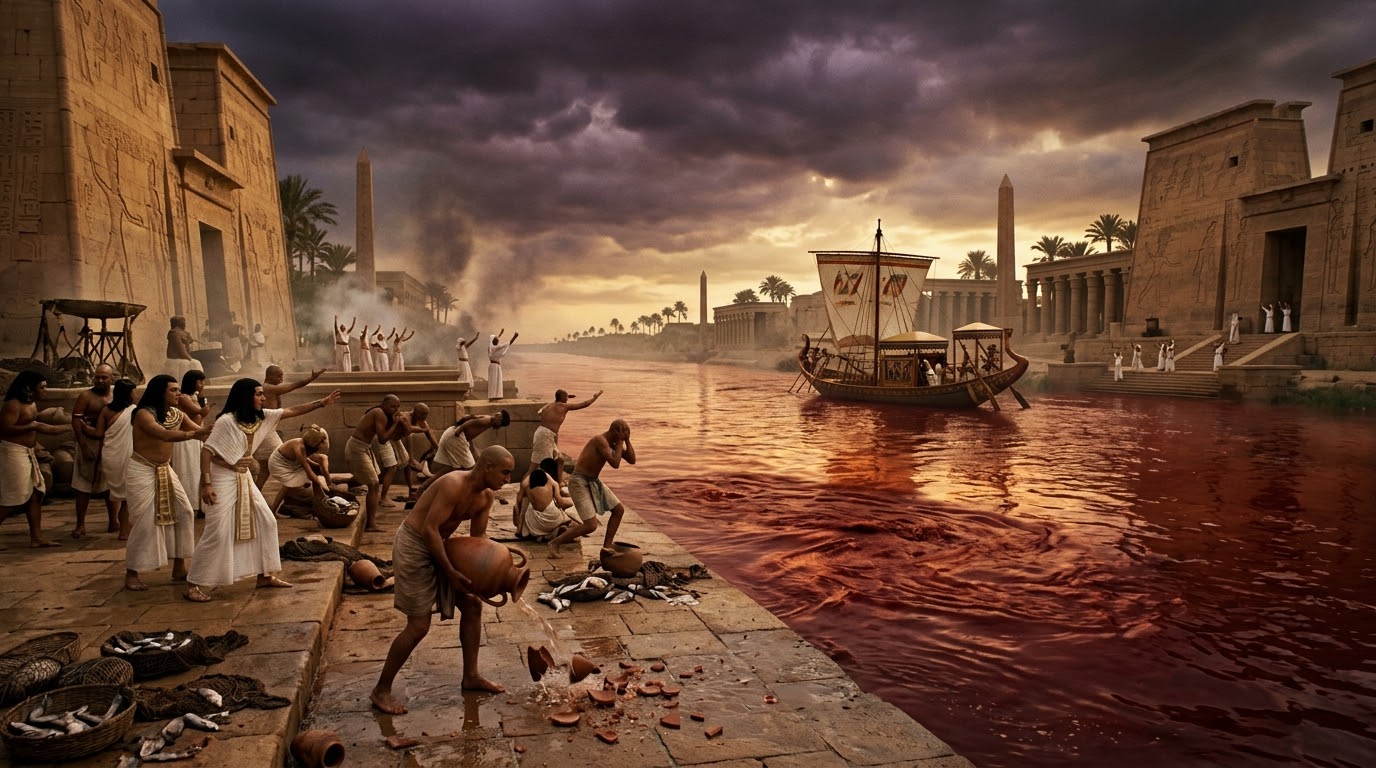
Introduction: The Scope of the Exodus
The Exodus is one of the most dramatic narratives in the biblical tradition, recounting the journey of the Israelites from slavery in Egypt to freedom. This story is not only monumental in its spiritual and historical significance but also in its sheer scale. For game developers, the challenge lies in translating this epic journey into an interactive experience that balances the grandeur of the mass migration with intimate storytelling. How can a game capture the vastness of the Exodus while ensuring that players remain engaged on a personal level?
Designing Large-Scale Events: Capturing the Mass Exodus
Depicting the Exodus in a video game involves recreating the movement of thousands of people across a desert landscape. This requires innovative design techniques to portray large crowds and convey the sense of a monumental journey. Developers might consider using dynamic crowd simulation technologies, which have been employed in games like “Assassin’s Creed” to simulate bustling cities. These technologies can help create the illusion of a living, breathing migration, where each character contributes to the overall scene.
Another approach is to use environmental storytelling to communicate the scale of the Exodus. The landscape itself can tell a story, with vast deserts, imposing mountains, and the mighty Nile River serving as both obstacles and milestones. By strategically placing landmarks and using weather effects, developers can enhance the player’s sense of the journey’s magnitude without needing to render every individual in detail.
Intimacy in Immensity: Crafting Personal Player Experiences
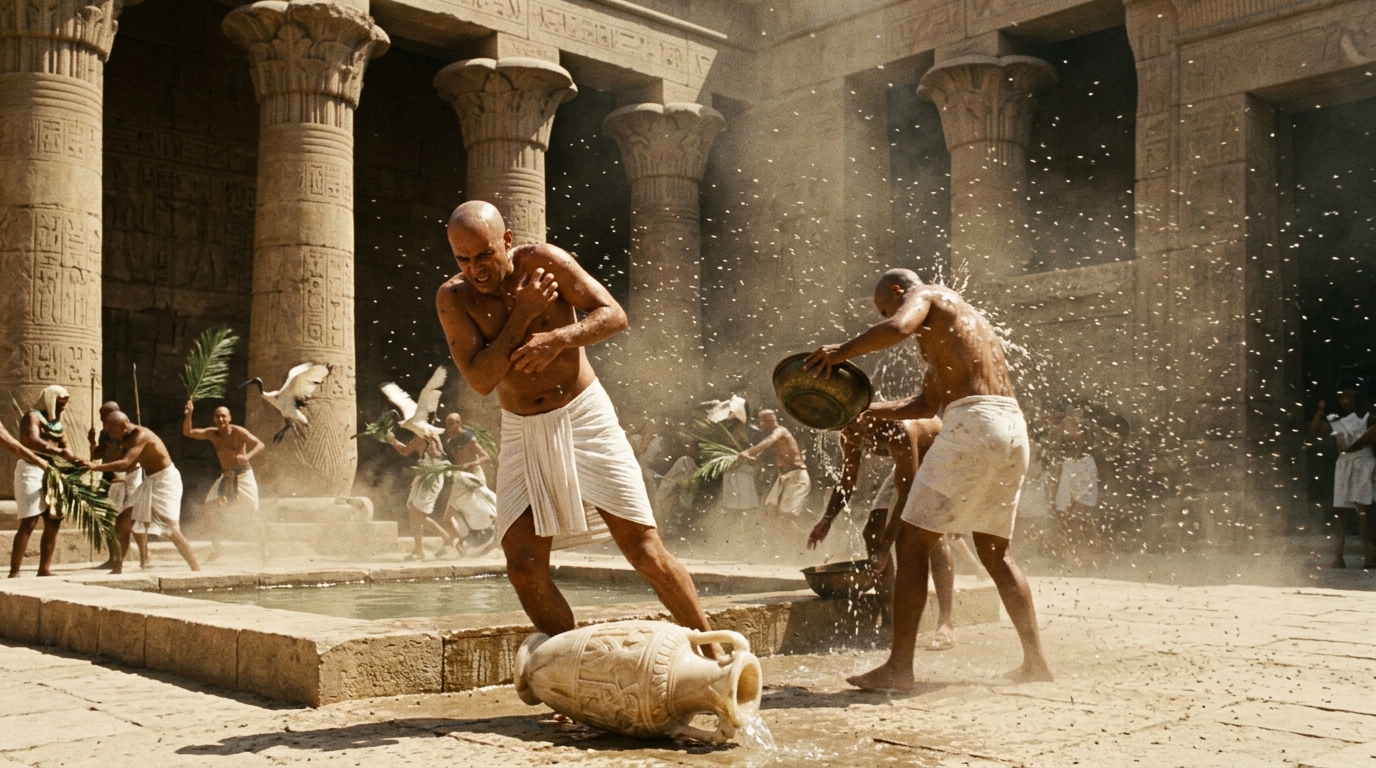
While the Exodus is an epic tale, it is also a deeply personal one, filled with individual stories of faith, struggle, and triumph. To capture this, developers should focus on creating meaningful character interactions and personal quests. Players could assume the role of a single character, such as a young Israelite or a leader like Moses, experiencing the Exodus through their eyes.
Personal stories can be woven into the larger narrative through side quests and dialogue trees. These elements allow players to make choices that affect their journey, fostering a deeper emotional connection to the story. Games like “The Witcher” and “Mass Effect” have successfully used these techniques to balance grand narratives with personal player agency.
Technical Considerations: Handling Large Crowds and Scenes
Simulating a mass migration presents significant technical challenges, particularly in terms of performance and rendering. Game engines need to manage large numbers of characters on screen without compromising performance. Solutions might include procedural generation of crowd behaviors and the use of level-of-detail (LOD) techniques to reduce the computational load of distant characters.
Moreover, the choice of game engine is crucial. Engines like Unreal or Unity offer robust tools for creating expansive environments and managing complex simulations. Developers must carefully consider how to optimize these tools to maintain a seamless experience, ensuring that players remain immersed in the story.
Balancing Narrative Pacing: Between Epic and Personal
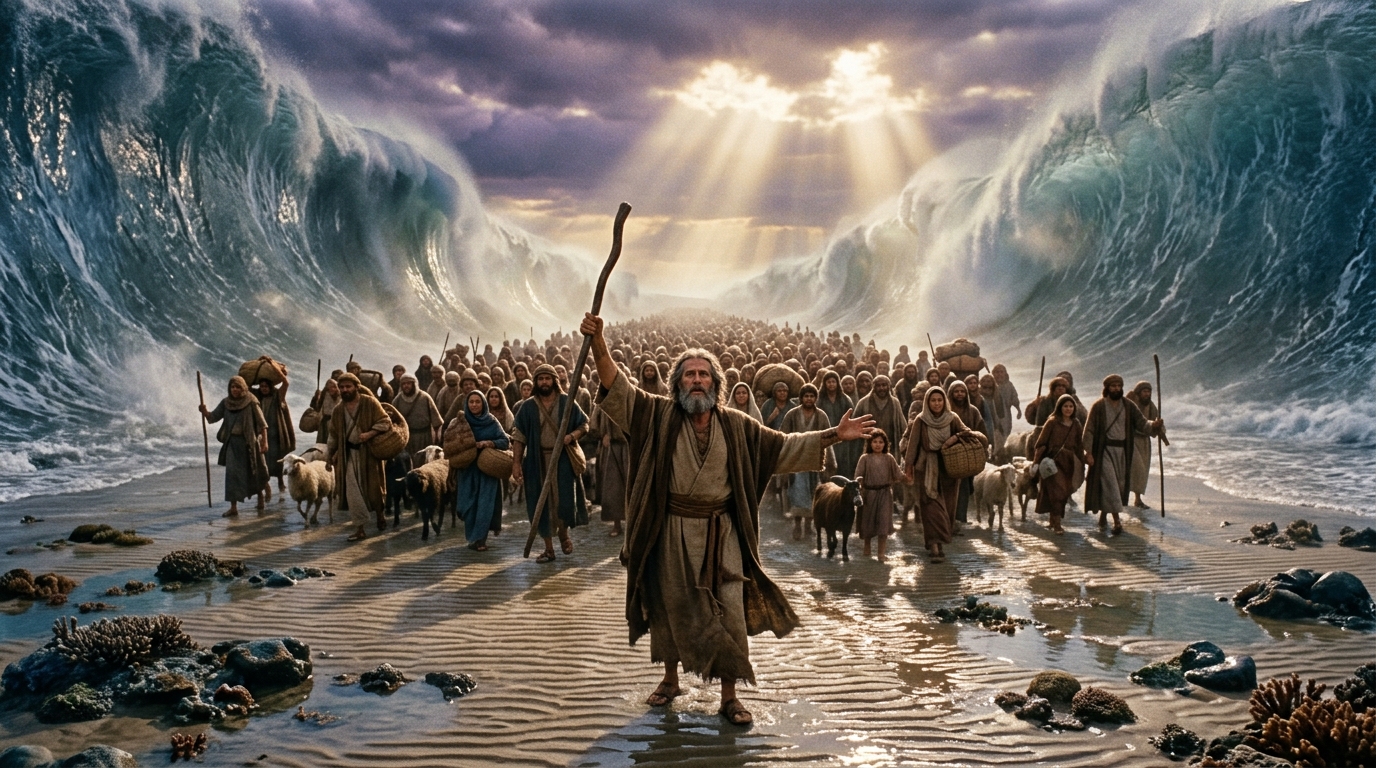
One of the key challenges in developing a Moses game is maintaining narrative pacing that respects both the epic and intimate aspects of the story. The game must transition smoothly between large-scale events, such as the crossing of the Red Sea, and more personal moments, like a family’s struggle for survival.
Developers can achieve this balance by structuring the game’s narrative in acts or chapters, alternating between grand set pieces and quieter, character-driven segments. This structure allows players to appreciate the scale of the Exodus while also investing in the personal stories that make the journey meaningful.
Conclusion: Merging Grandness with Personal Connection
The challenge of recreating the Exodus in a video game lies in merging its grand scale with personal storytelling. By leveraging technology, narrative design, and creative storytelling techniques, developers can craft an experience that honors the epic nature of the Exodus while engaging players on a personal level. Such a game has the potential to not only entertain but also to educate and inspire, offering a unique perspective on one of history’s most enduring tales.