Between the Elements: Designing Environmental Hazards in a Moses Game
Explore how environmental hazards in a Moses game can enhance gameplay, deepen narrative, and immerse players in Ancient Egypt and the Exodus.
Introduction: The Role of Environment in Storytelling
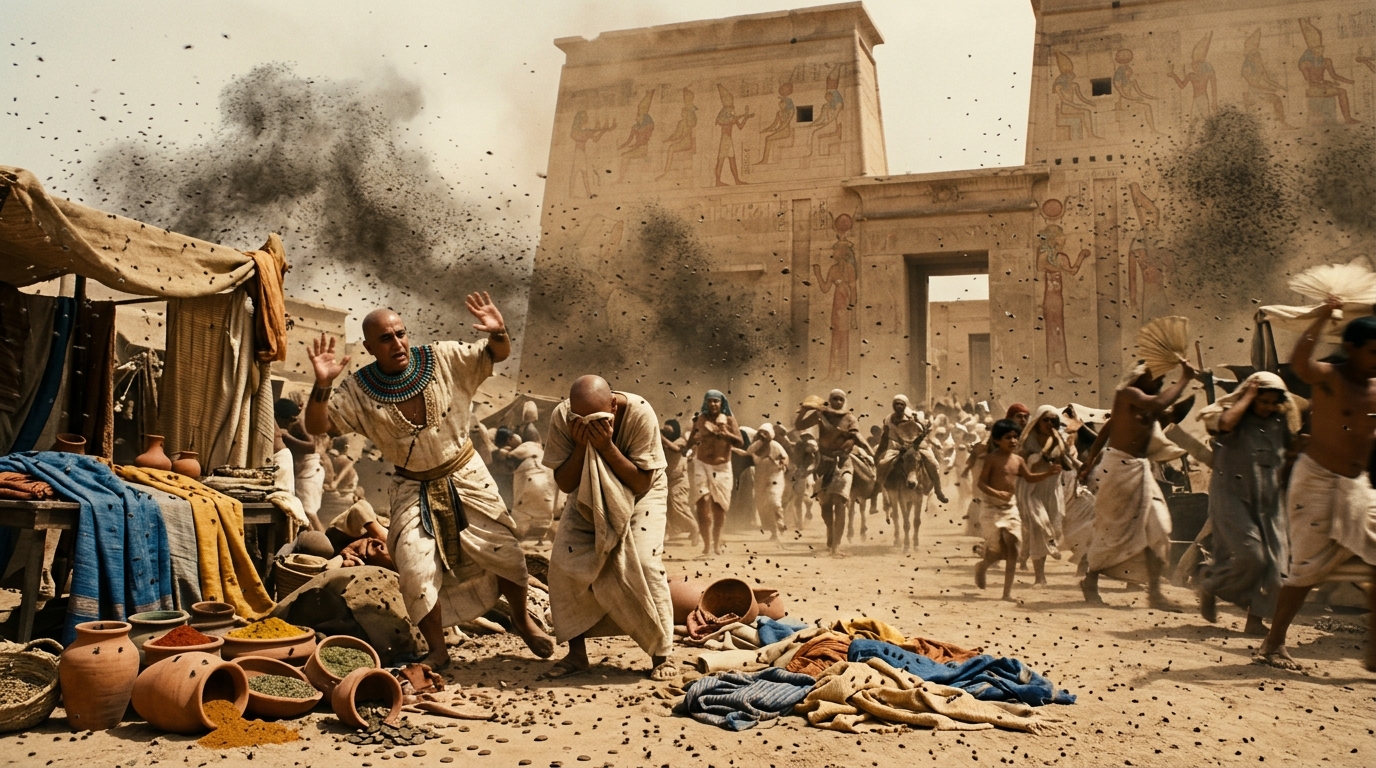
In the realm of video game design, the environment is more than just a backdrop; it is a dynamic character that shapes the player’s experience and narrative. For a game inspired by the biblical story of Moses and the Exodus, integrating environmental hazards offers a unique opportunity to deepen immersion and challenge players. This approach not only reflects the trials faced by Moses and the Israelites but also allows players to engage with the historical and geographical realities of Ancient Egypt and the Sinai Desert.
Biblical and Historical Context: Environmental Challenges in the Exodus
The biblical narrative of the Exodus describes a journey fraught with environmental challenges. From crossing the Red Sea to wandering in the desert, the Israelites faced numerous natural obstacles. Historical records and archaeological findings provide additional context, depicting Ancient Egypt as a land of both fertile abundance and relentless natural forces. The Nile, essential for sustenance, could also bring devastating floods. Meanwhile, the Sinai Desert posed threats of heat, scarcity of water, and sandstorms. These elements can be woven into the game’s fabric, offering players a taste of the harsh realities faced by Moses and his followers.
Designing Authentic Hazards: From Sandstorms to Nile Floods
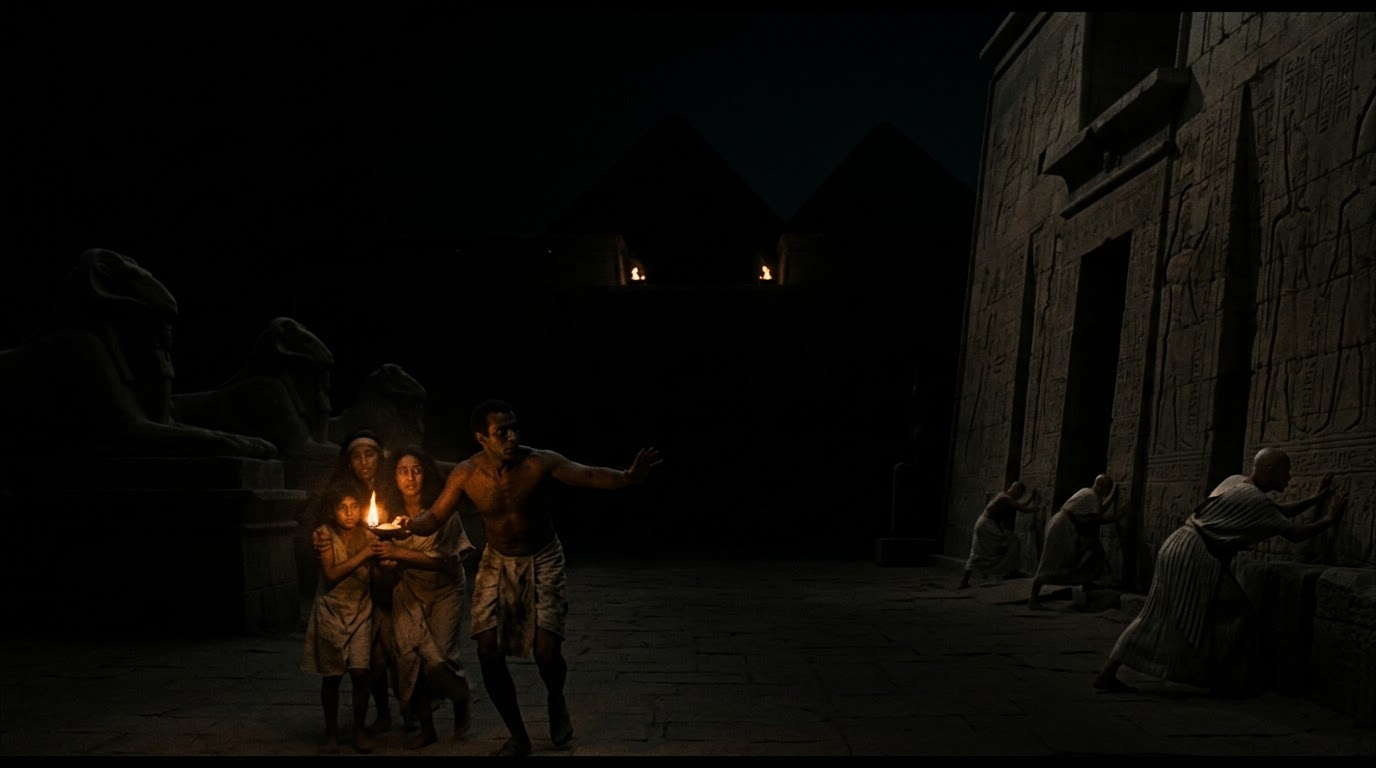
Creating authentic environmental hazards requires a careful blend of historical accuracy and creative design. Sandstorms, a common occurrence in desert regions, could obscure vision and alter navigation, challenging players to find their way through disorienting conditions. The Nile’s floods could be depicted as both a life-giving force and a perilous threat, requiring players to adapt to changing landscapes and resource availability. Additionally, the oppressive desert heat could introduce survival mechanics, such as managing hydration and seeking shelter, to mirror the real-life struggles of desert traversal.
Mechanics and Player Interaction: Navigating the Elements
To effectively integrate these environmental hazards, game mechanics should encourage player interaction and decision-making. For instance, players might need to gather resources before a sandstorm hits or construct makeshift rafts to navigate floodwaters. The game could incorporate a dynamic weather system, where players must adapt strategies based on real-time environmental changes. These mechanics not only enhance gameplay but also serve as a narrative tool, reflecting the perseverance and ingenuity required to survive the Exodus.

Environmental Storytelling: Deepening Immersion through Hazards
Environmental hazards can serve as powerful narrative devices, enriching the storytelling experience. As players navigate these challenges, they witness the unfolding story of survival and faith. For example, a sequence involving a treacherous sandstorm could symbolize the Israelites’ struggle against overwhelming odds, reinforcing the theme of divine intervention and resilience. The environment becomes a silent storyteller, its trials and triumphs echoing the larger narrative arc of the Exodus.
Conclusion: Balancing Challenge and Player Experience
Incorporating environmental hazards in a Moses game requires a delicate balance between challenge and player experience. These elements should be designed to enhance, not hinder, the storytelling journey. By drawing on biblical and historical contexts, designers can create a world that is both authentic and engaging, inviting players to step into the sandals of Moses and experience the Exodus in a tactile, immersive way. Ultimately, the goal is to craft a game that not only entertains but also educates and inspires, offering players a deeper connection to this timeless story.