Navigating Moral Complexity: Agency and Choice at the Red Sea Crossing
Explore moral complexity and player agency in a Moses game during the Red Sea crossing, enhancing narrative depth and engagement.

Introduction: The Significance of the Red Sea Crossing
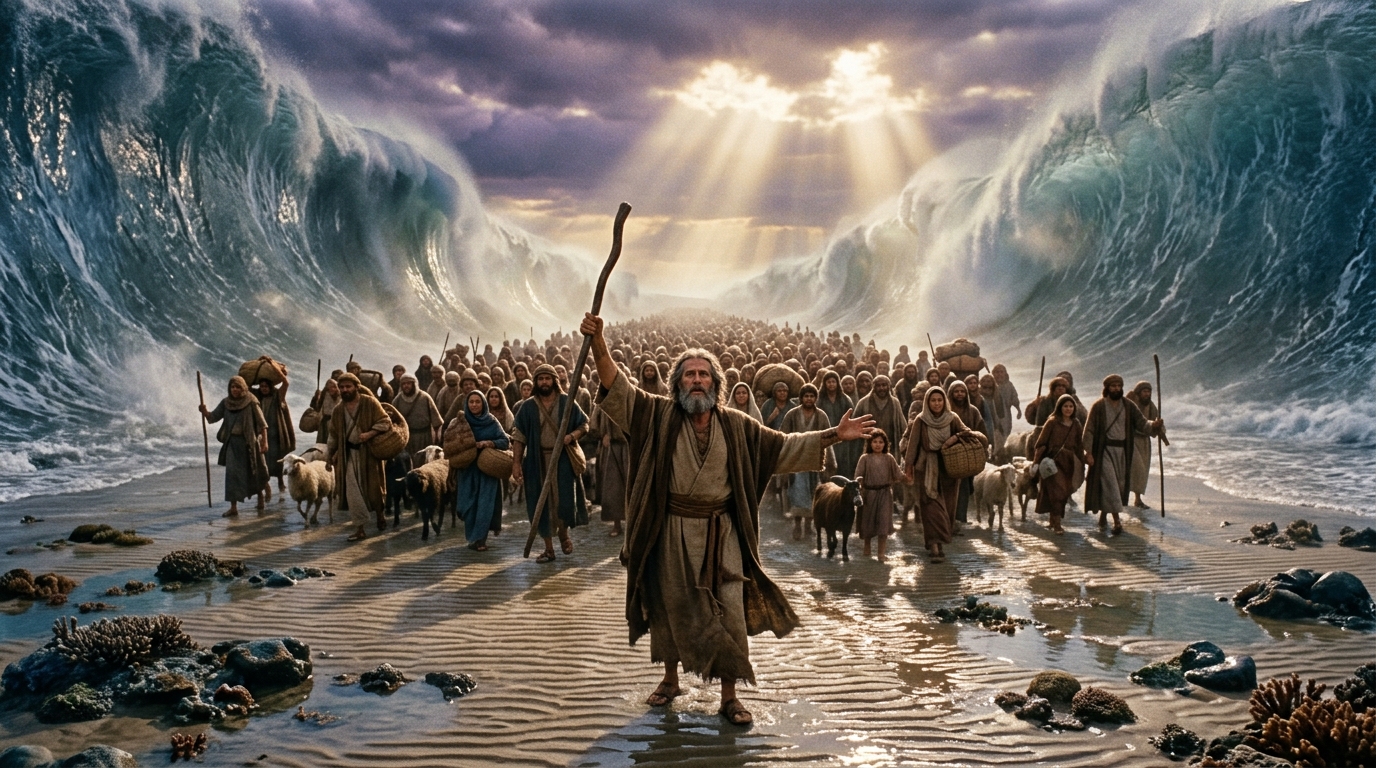
The crossing of the Red Sea is one of the most dramatic episodes in the biblical narrative, symbolizing liberation and divine intervention. In a video game focused on Moses and the Exodus, this event presents an opportunity to delve into the moral complexities and personal choices faced by individuals within this epic moment. By doing so, developers can create a more immersive and impactful experience, where player agency plays a crucial role in shaping the narrative.
Moral Complexity in Biblical Narratives
The biblical account of the Red Sea crossing, found in Exodus 14, is rich with tension and drama. While the overarching narrative highlights divine deliverance, the individual experiences and dilemmas of those involved are ripe for exploration. How did ordinary people feel as they faced the unknown, caught between an advancing army and the sea? This scenario can be expanded in a game to present players with moral choices that reflect the fears, hopes, and responsibilities of those undertaking the journey.
Incorporating moral complexity into the game narrative can transform a straightforward escape into a nuanced exploration of faith, leadership, and survival. Players could face decisions about whom to trust, how to manage limited resources, and whether to prioritize personal safety over collective responsibility. Such dilemmas not only deepen the player’s connection to the narrative but also mirror the ethical challenges that are often present in times of crisis.
Player Agency in Crisis: Designing Meaningful Choices
Player agency is pivotal in crafting an engaging game experience, especially during high-stakes moments like the Red Sea crossing. By allowing players to make significant choices, developers can ensure that the narrative feels personal and impactful. For instance, players might choose to encourage others, take risks to save stragglers, or make strategic decisions about when to move forward or hold back.
These choices should not be binary but rather reflect the complexity of real-life decision-making. Each decision could have immediate consequences and long-term ramifications, influencing group morale, resource availability, and the likelihood of survival. Such mechanics not only enhance engagement but also provide a platform for players to reflect on the broader themes of leadership and sacrifice.
Historical and Cultural Influences on Decision-Making
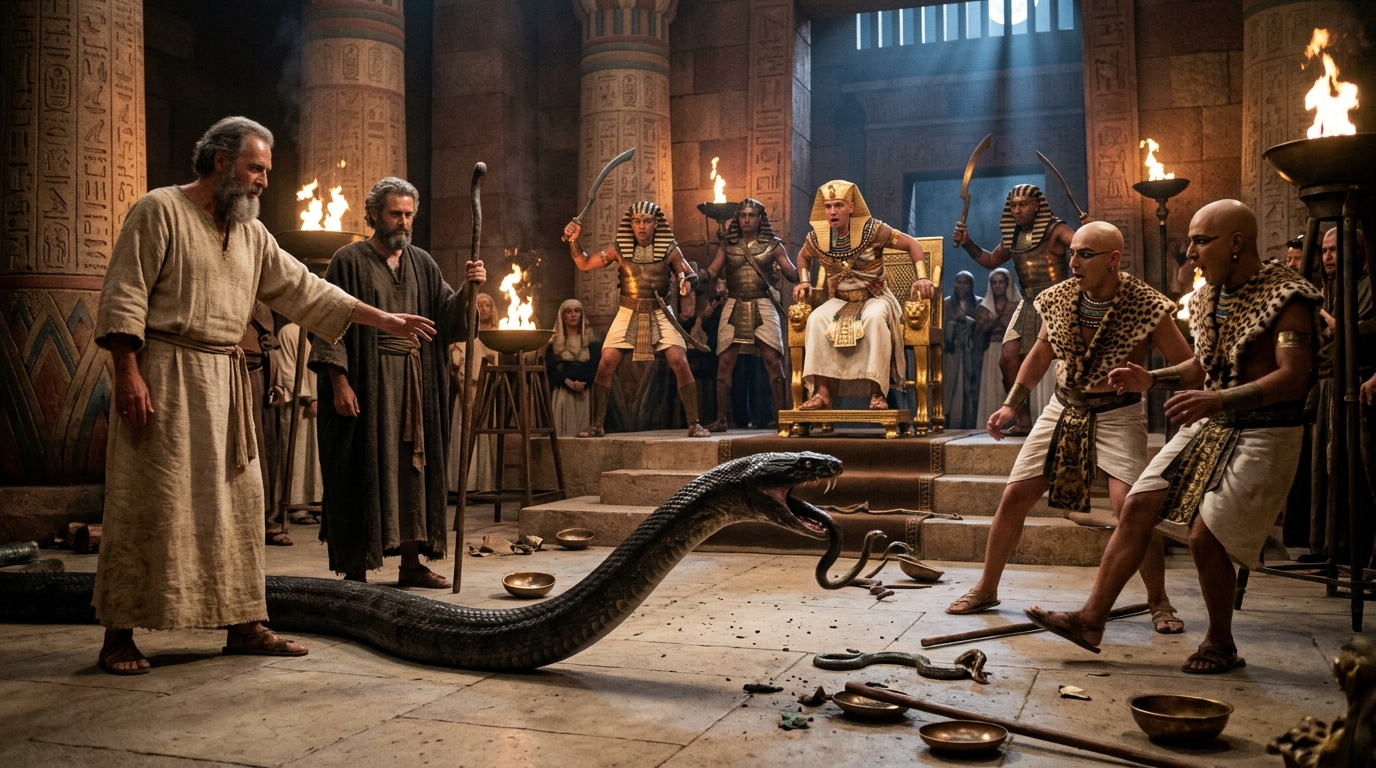
To create a believable and immersive experience, it is essential to draw on historical and cultural contexts. Ancient Egypt was a land of rich cultural diversity, with complex social structures and a deep connection to its environment. Understanding these elements can inform the design of choices and consequences within the game.
For example, the game could incorporate decisions based on historical trade-offs, such as choosing between carrying essential supplies or moving swiftly. Additionally, cultural nuances, such as the significance of family and community ties, could influence player decisions, adding layers of meaning to the choices made during the crossing.
Integrating Choice Mechanics into Red Sea Gameplay
Integrating choice mechanics into the Red Sea crossing can be achieved through a combination of narrative design and gameplay elements. Developers might employ branching storylines, where each player’s decision leads to different outcomes, creating a unique narrative experience. Environmental storytelling can further enhance this by using visual cues and in-game events to reflect the consequences of player choices.
Moreover, incorporating elements such as time constraints, resource management, and character interactions can simulate the urgency and gravity of the situation. Players could be tasked with making quick decisions under pressure, mirroring the real-life stress and unpredictability faced by those in the Exodus narrative.
Conclusion: Enhancing Narrative Depth Through Moral Choices
The Red Sea crossing is more than just a miraculous escape; it is a moment of profound human drama and decision-making. By focusing on moral complexity and player agency, a Moses-inspired game can transform this biblical event into a rich tapestry of personal and collective narratives. Such an approach not only enhances the depth and engagement of the game but also offers players a chance to explore timeless themes of faith, courage, and the human condition.
Incorporating these elements into game design invites players to become active participants in the narrative, making choices that resonate beyond the screen. As developers and narrative designers explore these possibilities, they can create a game that is not only entertaining but also thought-provoking, offering fresh insights into one of history’s most enduring stories.