Whispers of the Papyrus: Uncovering Lost Texts and Secret Messages in a Moses Game
Explore how lost texts and secret messages can enhance storytelling in a Moses game, offering players rewarding discoveries and deeper engagement.
Introduction: The Role of Secrets in Story-Driven Games
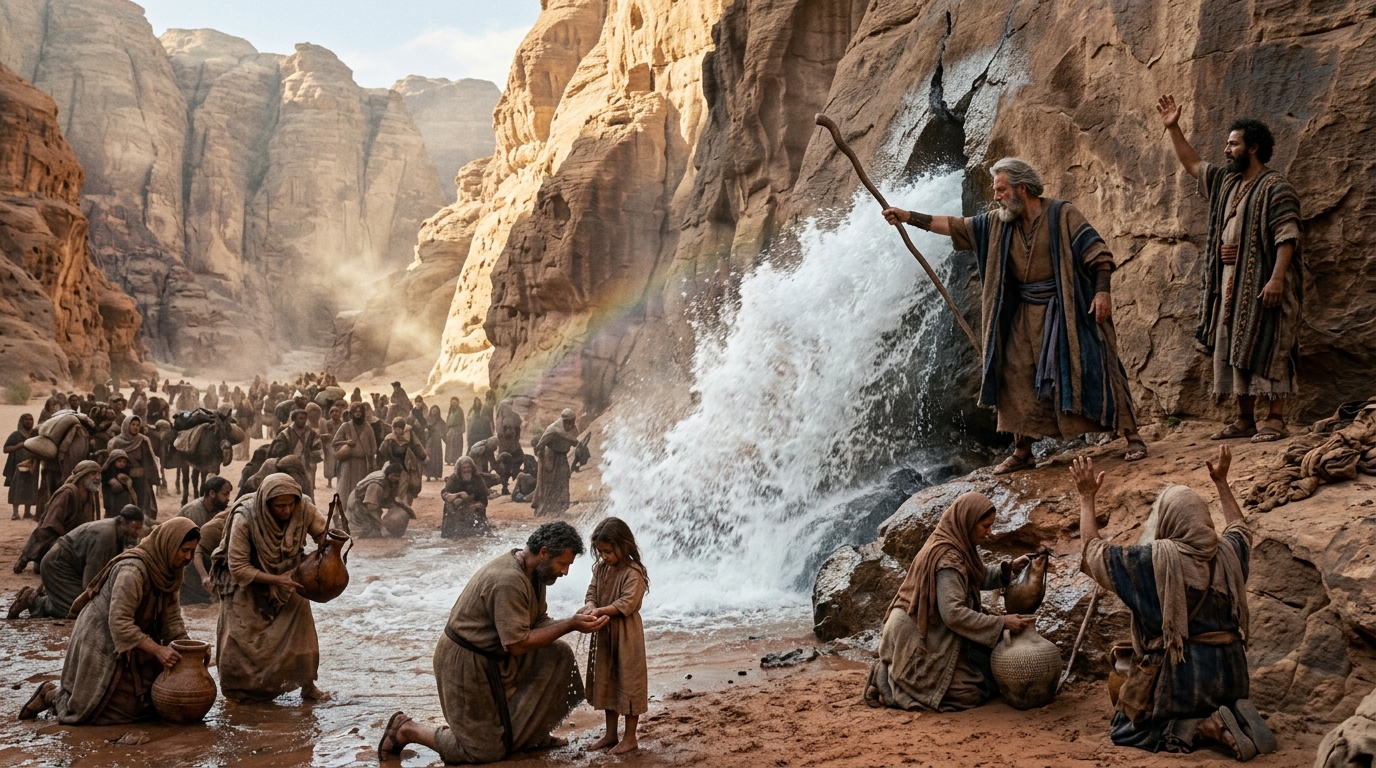
In the realm of story-driven games, secrets and hidden discoveries have a unique power to captivate players. They create layers of intrigue and depth, inviting players to delve deeper into the game world. In a game inspired by the biblical narrative of Moses, the integration of lost texts and secret messages offers a rich tapestry for storytelling. These elements can transform the environment into a living narrative, allowing players to uncover pieces of history, culture, and spirituality that elevate their experience and understanding of the game’s world.
Hidden Texts: Designing Environmental Storytelling with Papyrus and Inscriptions
The ancient world of Egypt, with its vast history and culture, provides fertile ground for the inclusion of hidden texts and inscriptions. These could take the form of papyrus scrolls, temple carvings, or even subtle symbols etched into everyday objects. By embedding these elements into the game environment, designers can craft a world that feels alive and steeped in history.
Imagine a player navigating the bustling streets of an Egyptian city, stumbling upon a crumbling wall with faded hieroglyphs. By deciphering these inscriptions, players might uncover a forgotten prophecy or a personal story from an ancient scribe, adding layers to the main narrative. Such discoveries can offer insights into the daily lives of Egyptians, their beliefs, and the socio-political climate of the time.
Integrating Messages: How These Discoveries Enhance the Game’s Narrative
Integrating hidden messages into the game’s narrative is not just about adding content; it’s about enriching the story and providing players with a sense of discovery. These texts can serve multiple purposes: they can foreshadow future events, reveal character backstories, or explain the motivations behind significant plot points.

For instance, a papyrus scroll found in a temple might contain a hymn to the Nile, reflecting the importance of the river in Egyptian life and hinting at the plagues that will later unfold in the Exodus story. This not only ties into the broader narrative but also deepens the player’s engagement with the world, making every discovery feel significant and rewarding.
Mechanics of Discovery: Encouraging Player Curiosity and Engagement
To effectively incorporate these elements, game mechanics must encourage exploration and curiosity. Players should feel motivated to seek out these hidden texts, driven by both narrative intrigue and tangible rewards. This could involve a mechanic where players collect fragments of texts to complete a larger story or solve puzzles that unlock new areas or abilities.
An example mechanic might include a translation system, where players learn to decipher hieroglyphs over time, unlocking new insights and quests as their understanding grows. Such a system not only incentivizes exploration but also immerses players in the learning process, reflecting the real-world challenges of archaeologists and historians.
Balancing Historical Authenticity with Creative Freedom
One of the key challenges in designing a game based on historical and biblical narratives is balancing authenticity with creative freedom. While it is essential to respect historical facts and cultural contexts, game designers also need the flexibility to craft engaging stories that resonate with players.
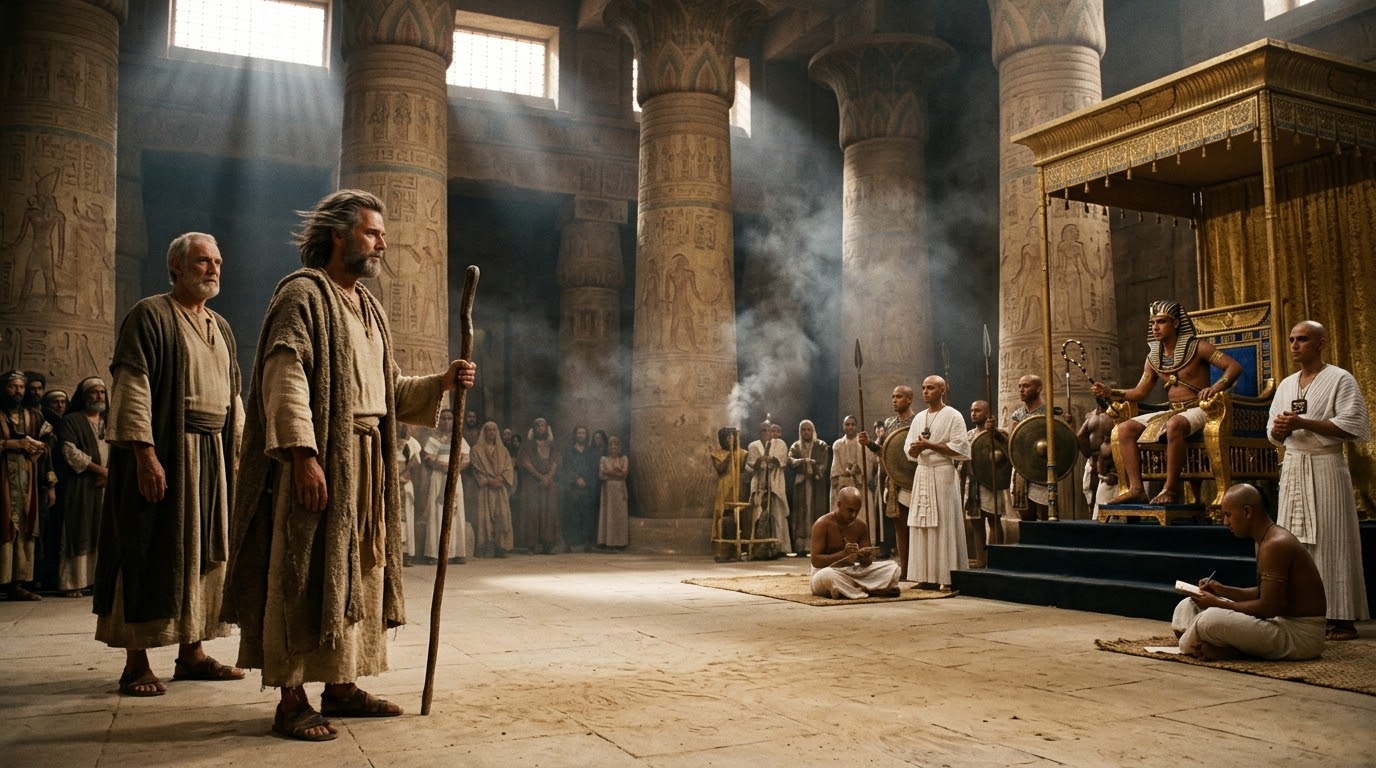
This balance can be achieved by grounding the game in well-researched historical details while allowing room for fictional elements that enhance gameplay and narrative. For instance, while the existence of certain texts or inscriptions might be speculative, their inclusion can be justified if they serve to illuminate the cultural and spiritual dimensions of the time.
Moreover, consulting with historians and biblical scholars during the design process can ensure that the game remains respectful and informed, even as it takes creative liberties to engage players.
Conclusion: The Impact of Secrets on Player Experience
The inclusion of lost texts and secret messages in a Moses game can significantly enhance the player’s experience, offering a deeper connection to the game’s world and narrative. By weaving these elements into the fabric of the environment, designers can create a rich, immersive experience that rewards curiosity and exploration.
Ultimately, these hidden discoveries can transform the game from a simple retelling of a well-known story into a dynamic, interactive journey through history. Players are not just passive observers but active participants in uncovering the mysteries of an ancient world, making their journey with Moses a personal and memorable adventure.