The Exodus Logistics: Crafting Realistic Supply and Migration Challenges in a Moses Game
Explore the logistical challenges of the Exodus in a Moses game, focusing on resource management, group dynamics, and decision-making.
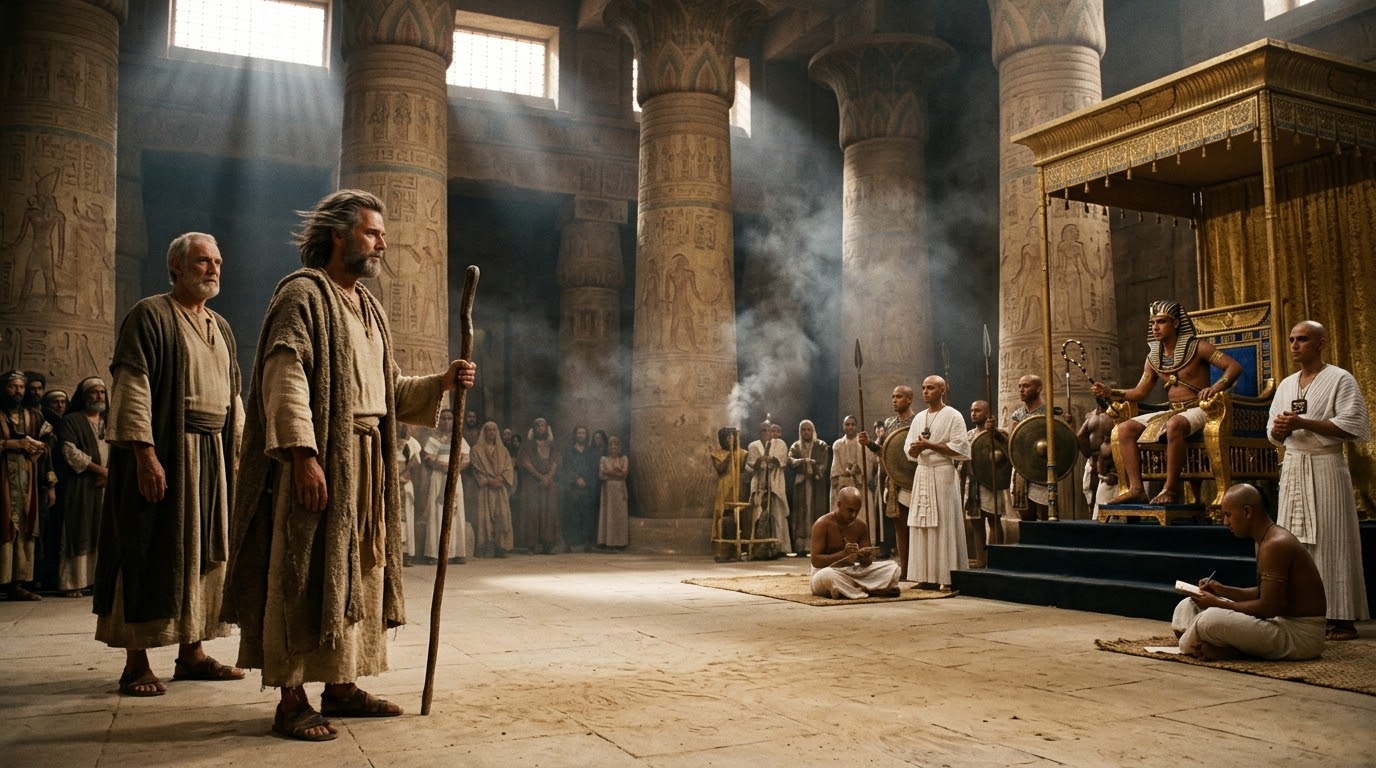
Introduction to Exodus Logistics
The biblical story of the Exodus is one of the most compelling narratives of liberation and faith. It tells the tale of Moses leading the Israelites out of Egypt, a journey fraught with divine intervention and human perseverance. However, beneath the surface of miracles and plagues lies a complex web of logistical challenges. Translating these challenges into a video game offers a unique opportunity to explore resource management, group dynamics, and decision-making in a historical and narrative context.
Historical and Biblical Context of the Exodus
The Exodus narrative, primarily found in the Book of Exodus in the Hebrew Bible, describes the Israelites’ escape from slavery in Egypt and their subsequent 40-year journey through the desert to the Promised Land. Historically, the exact details and scale of this migration are debated, with limited archaeological evidence to confirm the biblical account. Nevertheless, the story provides a rich tapestry of human experience, from the plagues and the parting of the Red Sea to the struggles of sustaining a large group in harsh conditions.
For game developers, understanding the historical and biblical context is crucial. The logistics of moving a large population across a desert would have involved significant challenges, including securing food, water, and shelter, managing morale, and maintaining social cohesion. These elements can be creatively woven into game mechanics to create an immersive and educational experience.
Designing Resource Management Systems
Resource management is a cornerstone of many strategy and simulation games. In a Moses-themed game, players could be tasked with managing essential supplies such as food, water, and shelter materials. This could involve planning routes to ensure access to natural resources, trading with local populations, or even rationing supplies during difficult times.
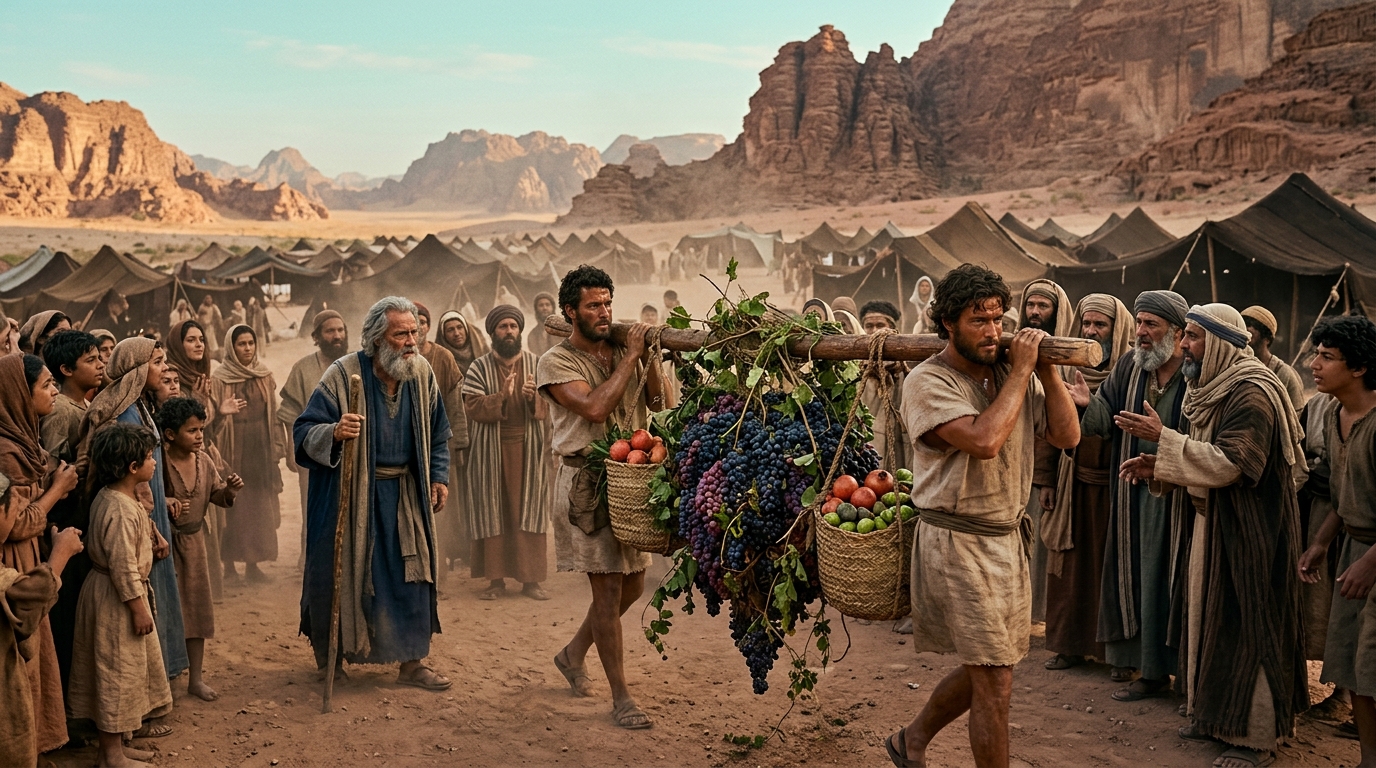
Such a system would not only challenge players to think strategically but also reflect the real-life decisions faced by Moses and the Israelites. For instance, how would players handle a sudden shortage of water? Would they risk diverting from their path to find a new source, or push forward and hope for divine intervention? These decisions would add depth to the gameplay, encouraging players to engage with the narrative on a more personal level.
Simulating Group Dynamics and Leadership
Leading a large group through a perilous journey requires more than just logistical acumen; it demands an understanding of group dynamics and effective leadership. In the game, players could assume the role of Moses, making decisions that affect not only the survival of the group but also its morale and unity.
Mechanics that simulate group dynamics could include managing dissent, fostering community spirit, and resolving conflicts. Players might need to address the concerns of different factions within the group, such as reconciling the desires of those who wish to return to Egypt with those determined to reach the Promised Land. These challenges would offer players a nuanced portrayal of leadership, emphasizing the balance between individual needs and the greater good.
Creating Immersive Gameplay from Logistics
While the logistical aspects of the Exodus might seem mundane compared to its miraculous elements, they offer rich potential for immersive gameplay. By focusing on the everyday challenges faced by Moses and the Israelites, developers can create a game that feels both authentic and engaging.

For example, a dynamic weather system could impact the journey, with sandstorms or droughts posing additional challenges. Random events, such as the discovery of an oasis or an encounter with hostile tribes, could provide opportunities for emergent gameplay, where players must adapt their strategies on the fly.
Moreover, the game could incorporate moral dilemmas, forcing players to make tough decisions that weigh immediate survival against long-term goals. Should they sacrifice a portion of their flock to appease a local chieftain, or risk conflict to preserve their resources? These scenarios would not only enrich the gameplay but also deepen players’ understanding of the historical and narrative stakes involved in the Exodus.
Conclusion: Merging History with Interactive Storytelling
A Moses-themed game that emphasizes the logistical challenges of the Exodus offers a fresh perspective on a well-known story. By integrating resource management, group dynamics, and decision-making into the gameplay, developers can create a narrative experience that is both educational and entertaining.
Such a game would not only honor the historical and biblical roots of the Exodus but also provide players with a deeper appreciation of the complexities involved in leading a people to freedom. Through interactive storytelling, players can engage with the past in meaningful ways, exploring the human side of this epic journey.