Visual Poetry: Crafting the Symbolic Color Palette and Lighting of a Moses Game
Explore how color and lighting can enhance narrative depth in a Moses game, focusing on symbolic storytelling and visual atmosphere.
Introduction: The Power of Visual Storytelling
In the realm of video game design, visual storytelling serves as a powerful conduit for narrative depth and emotional resonance. For a game inspired by the journey of Moses, the integration of symbolic color palettes and strategic lighting can profoundly enhance the player’s immersive experience. By weaving visual elements with the rich themes of liberation and transformation found in the biblical narrative, developers can create an atmosphere that not only captivates but also educates and moves its audience.
The Role of Color in Symbolic Storytelling
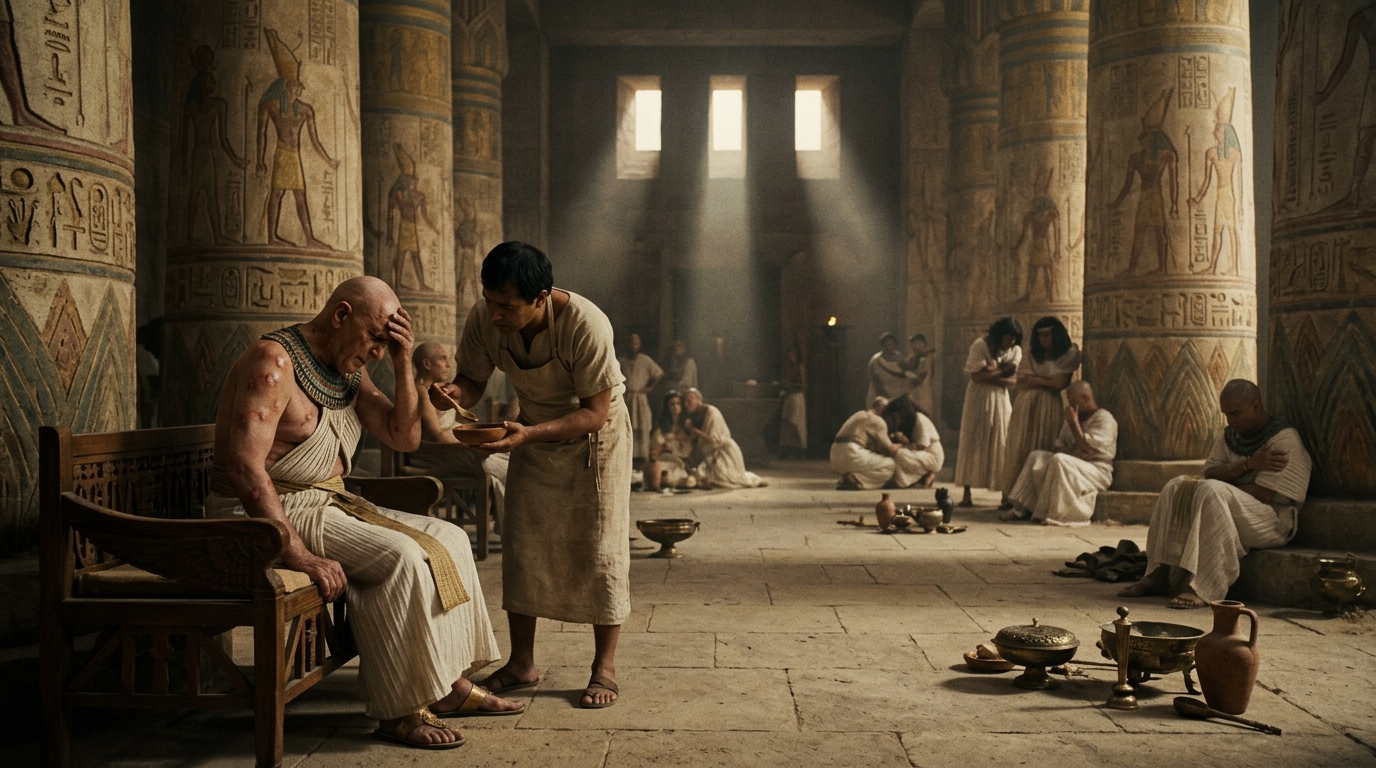
Color is a fundamental tool in art direction, capable of conveying emotion, mood, and thematic depth. In a Moses game, the color palette can be meticulously crafted to reflect the evolution of Moses’ journey and the broader narrative arc. For instance, the transition from the oppressive, muted tones of Egyptian servitude to the vibrant, hopeful hues of the Promised Land can symbolize the Israelites’ quest for freedom.
Colors like deep blues and purples might be used to represent the divine presence, echoing the biblical descriptions of God’s majesty. Meanwhile, the shifting sands of the desert could be depicted in a spectrum of golds and browns, emphasizing both the harshness and the beauty of the wilderness. Such choices are not arbitrary; they draw from both biblical art traditions and modern interpretations of color symbolism, which suggest that colors can evoke specific spiritual and emotional responses.
Lighting as a Narrative Tool
Lighting is another critical component of visual storytelling, offering a dynamic way to differentiate key locations and moments within the game. In a Moses game, lighting can be used to highlight pivotal scenes, such as the burning bush or the parting of the Red Sea, with dramatic contrasts and ethereal glows that underscore their miraculous nature.
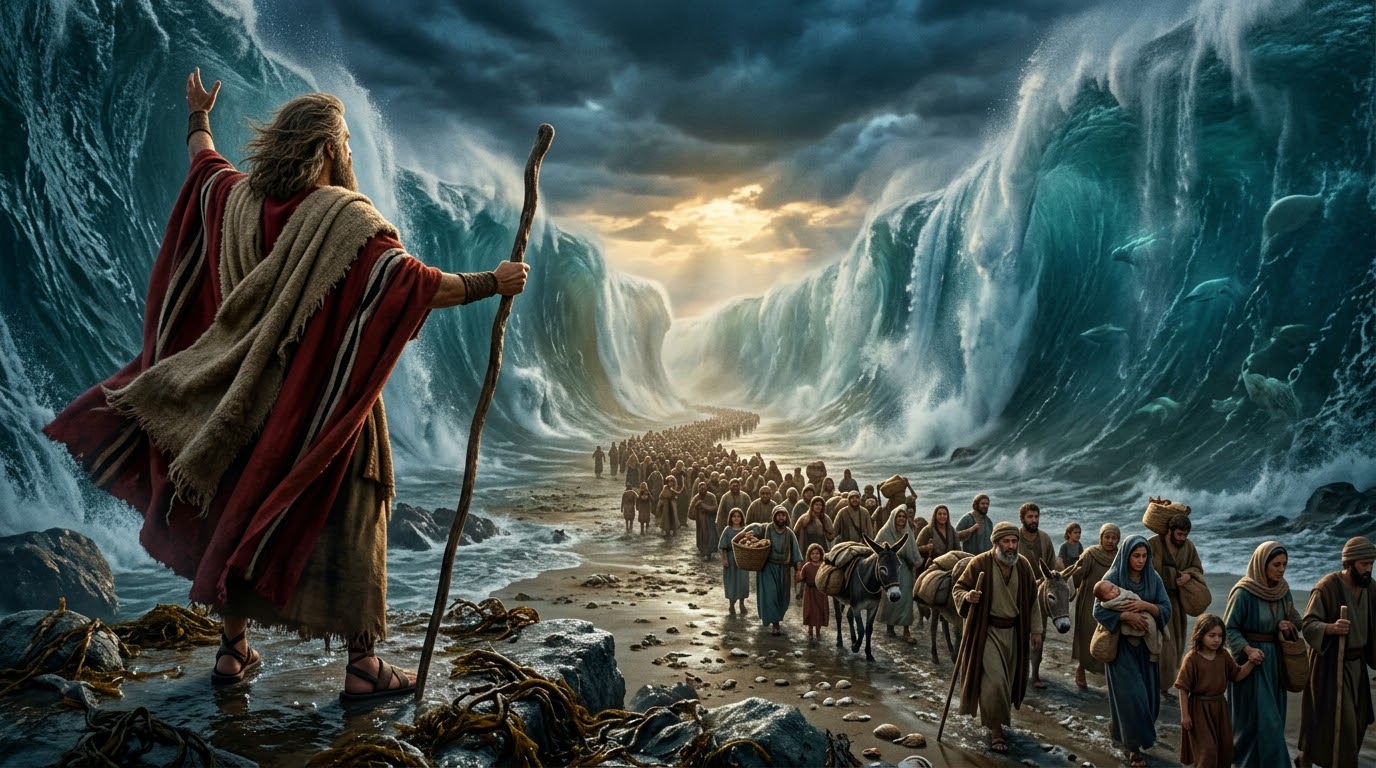
The use of chiaroscuro—a technique that employs stark contrasts between light and dark—can create tension and focus the player’s attention on specific narrative elements. For example, a dimly lit Pharaoh’s palace could convey the oppressive weight of tyranny, while the soft, dawn-like illumination of Mount Sinai could symbolize revelation and hope.
Beyond mere aesthetics, lighting can guide player exploration by subtly directing attention to interactive elements or hidden paths, enhancing both gameplay and narrative flow.
Case Studies: Iconic Scenes Reimagined
Reimagining iconic scenes from the Exodus narrative offers a unique opportunity to explore the interplay of color and lighting. Consider the Ten Plagues: each could be associated with a distinct color scheme that reflects its impact and significance. The plague of darkness, for instance, might envelop players in a deep, enveloping blackness, broken only by occasional flashes of lightning to reveal the chaos wrought upon Egypt.
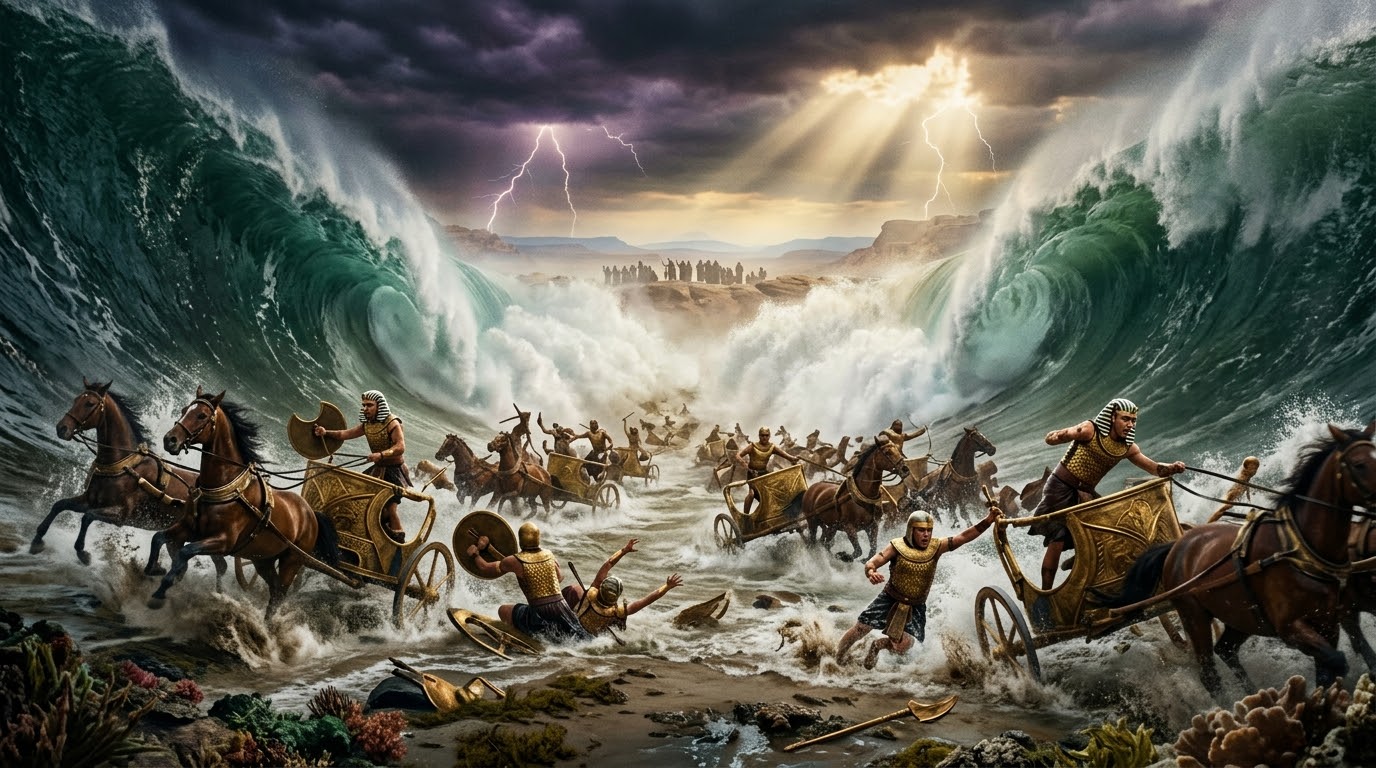
Another example is the crossing of the Red Sea. Here, the use of translucent blues and shimmering whites could create a sense of awe and divine intervention, with light filtering through the parted waters to cast intricate patterns on the sea bed.
Such scenes demand a careful balance of historical authenticity and creative interpretation, ensuring that the visual elements serve the story without overshadowing the narrative itself.
Design Challenges and Solutions
Creating a visually cohesive and symbolically rich game presents several challenges. One significant concern is maintaining historical and cultural accuracy while delivering an engaging visual experience. Developers must navigate the potential pitfalls of cultural appropriation and ensure that color and lighting choices respect the source material’s integrity.
Collaborating with historians and theologians can provide invaluable insights into authentic representations of ancient Egyptian and Israelite cultures. Additionally, iterative testing with diverse audiences can help fine-tune the game’s visual elements to ensure they resonate with players from various backgrounds.
Technical constraints also play a role, as achieving sophisticated lighting and color effects requires both creative ingenuity and technical prowess. Leveraging modern graphics engines and technologies can help overcome these hurdles, allowing developers to push the boundaries of what’s possible in visual storytelling.
Conclusion: Visual Poetry in Game Design
The crafting of a Moses game through the lens of color and lighting offers a unique opportunity to explore the intersection of art, narrative, and technology. By thoughtfully integrating symbolic visual elements, developers can create a game that not only entertains but also educates and inspires, offering players a deeper understanding of the timeless themes of liberation, faith, and transformation.
Ultimately, the goal is to create a visual poetry that mirrors the spiritual journey of Moses and the Israelites, inviting players to embark on an immersive adventure that resonates on both an emotional and intellectual level.