The Unsung Heroines of the Exodus: Women’s Roles in Israelite Liberation
Explore women’s roles in the Exodus and how to integrate them into a Moses game.
Introduction: The Overlooked Narratives of the Exodus
When one thinks of the Exodus, the image that often comes to mind is that of Moses parting the Red Sea, leading the Israelites out of Egypt. While Moses and his brother Aaron are central figures in this biblical narrative, the contributions of women are frequently overlooked. Yet, these women played vital roles in the liberation and survival of the Israelite community. As game developers and narrative designers look to create immersive and inclusive experiences, the stories of these unsung heroines offer rich opportunities for exploration and storytelling in a game focused on the Exodus.
Historical and Biblical Perspectives on Women’s Roles
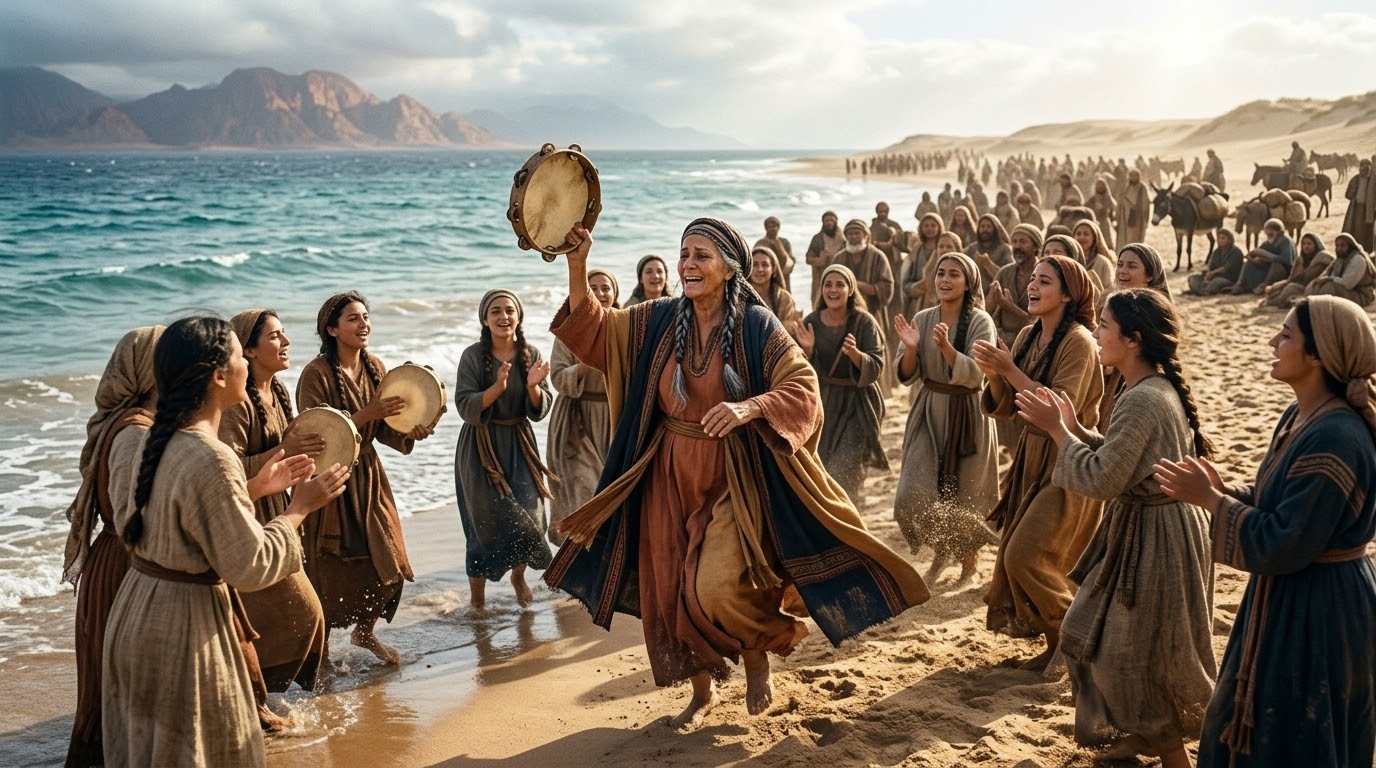
The biblical account of the Exodus provides glimpses into the lives and contributions of several key women. Miriam, Moses’ sister, is perhaps the most well-known. She is celebrated for leading the women in song and dance after the miraculous crossing of the Red Sea, a moment that underscores her leadership and spiritual influence. However, her role extends beyond this celebration; as a prophetess, she was a guiding figure for the community.
Another pivotal figure is Shiphrah, one of the Hebrew midwives who defied Pharaoh’s orders to kill Hebrew male infants. Her courage and moral conviction not only saved countless lives but also set the stage for Moses’ survival. These narratives demonstrate that women were not merely passive participants in the Exodus but active agents of change and preservation.
While the historical record outside of biblical texts is sparse, archaeological findings and scholarly interpretations suggest that women in ancient Egypt and the Levant had roles in agriculture, trade, and domestic management. These roles, though often not highlighted, were essential to the sustenance and continuity of their communities, providing a backdrop against which the Exodus narrative unfolds.

Designing Meaningful Female Characters in a Moses Game
Incorporating the stories of these women into a video game about the Exodus presents both challenges and opportunities. Game designers must balance historical accuracy with engaging gameplay, ensuring that female characters are portrayed as multidimensional and integral to the story.
One approach could be to create playable characters based on figures like Miriam and Shiphrah. Players could experience the Exodus from their perspectives, engaging in quests that highlight their contributions and challenges. For instance, a mission could involve Miriam rallying the community’s morale through her leadership and song, or Shiphrah navigating the dangers of defying Pharaoh’s edict.
Additionally, the game could introduce fictional female characters who embody the everyday experiences of women during the Exodus. These characters could engage in activities such as managing resources, crafting, or trading, providing players with a broader understanding of the community’s dynamics and the critical roles women played.
Narrative Techniques for Highlighting Women’s Contributions
To effectively highlight the contributions of women in the Exodus narrative, developers can employ various narrative techniques. Storytelling through environmental design is one such method. By creating spaces that reflect women’s daily lives and contributions, players can gain insight into their world. For example, scenes set in bustling markets or fields can illustrate women’s roles in economic and agricultural activities.
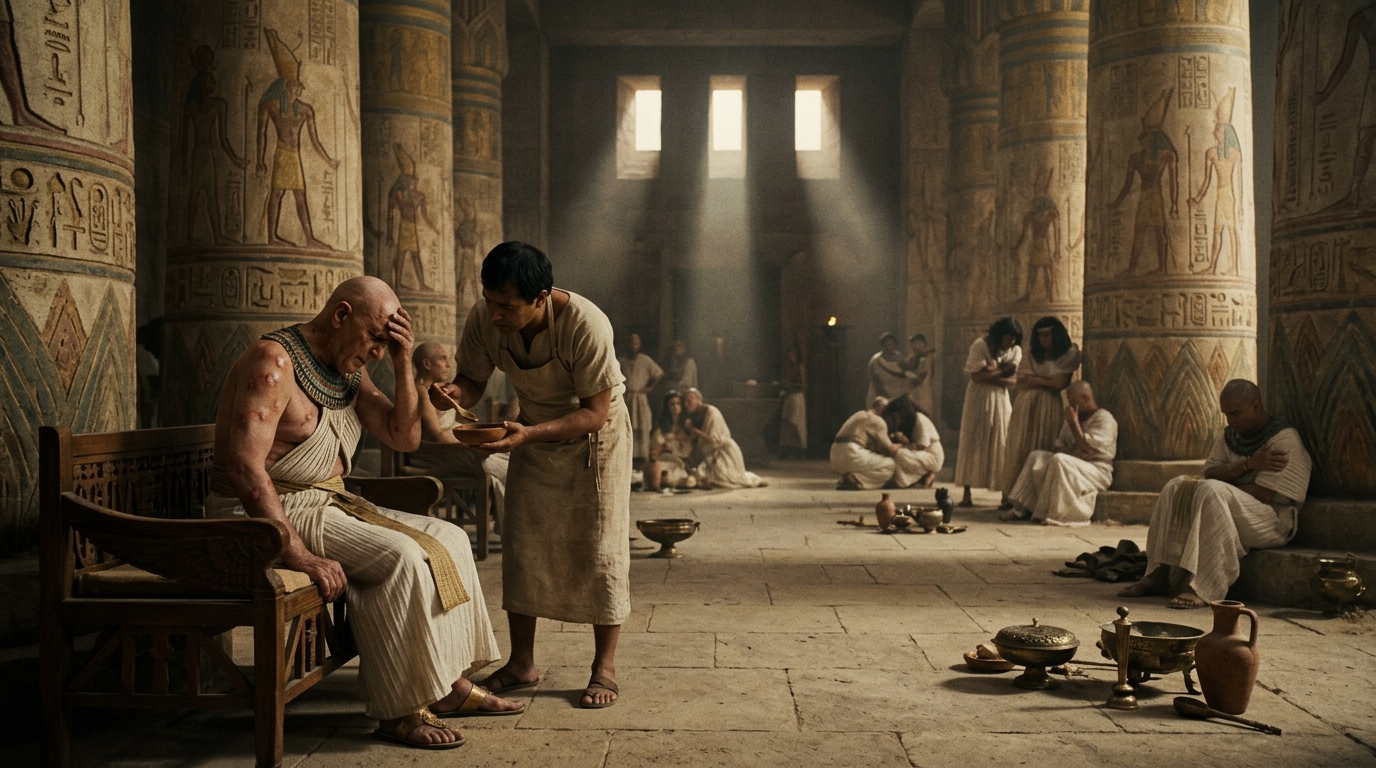
Dialogue and character interactions are also powerful tools. Conversations that reveal the thoughts, motivations, and relationships of female characters can deepen players’ emotional connections to them. These interactions can also serve to narrate untold stories, offering perspectives that enrich the overall narrative.
Moreover, the use of cutscenes or flashbacks can provide historical context and highlight pivotal moments in which women played key roles. These narrative elements can emphasize the impact of their actions and decisions on the community’s journey and survival.
Conclusion: Enriching the Exodus Story Through Inclusive Storytelling
By incorporating the stories of women into a video game about the Exodus, developers have the opportunity to create a more inclusive and nuanced portrayal of this epic tale. The unsung heroines of the Exodus, whose courage, leadership, and resilience were instrumental in the liberation of the Israelites, offer rich narratives that can enhance the depth and engagement of the game.
In highlighting these contributions, game developers can not only provide players with a more comprehensive understanding of the Exodus story but also celebrate the diverse roles women have played throughout history. This approach not only enriches the narrative experience but also reflects a commitment to inclusive storytelling that resonates with modern audiences.