Walking the Desert: Incorporating Dynamic Weather and Environmental Challenges in a Moses Game
Explore how dynamic weather and environmental challenges can enhance the Exodus journey in a Moses game, impacting player choices and immersion.
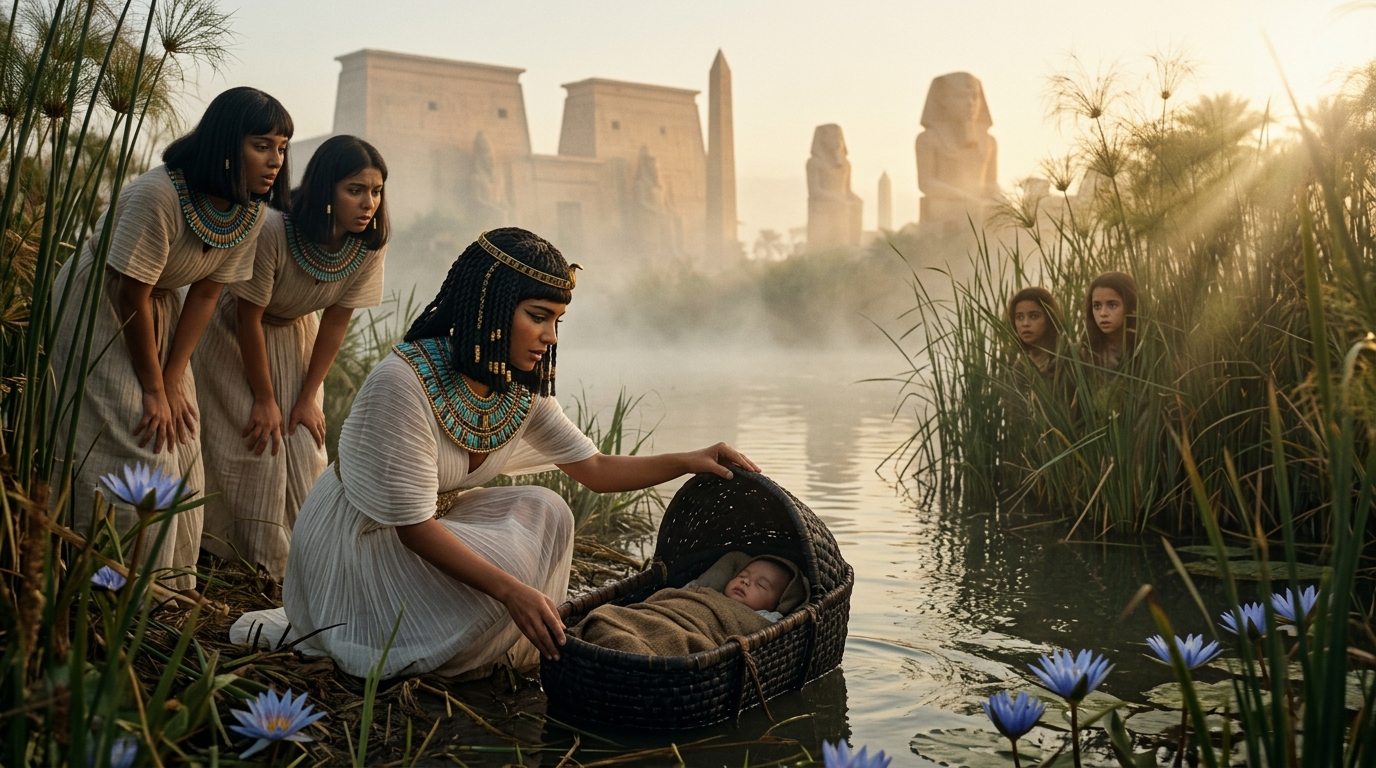
Introduction: The Role of Environment in Storytelling
In the realm of video game design, the environment often acts as an unspoken character, shaping narratives and influencing player experiences. For a game centered on Moses and the Exodus, the landscapes of Ancient Egypt and the Sinai Peninsula present a unique opportunity. By incorporating dynamic weather systems and environmental challenges, developers can create a more immersive and engaging journey that mirrors the trials faced by the Israelites as they wandered through the desert.
Dynamic Weather Systems and Player Experience
Dynamic weather systems have the potential to transform the player’s experience by adding layers of complexity and realism to the game world. In a Moses-themed game, weather could serve as both a narrative device and a gameplay mechanic. Imagine traversing the arid desert when a sudden sandstorm arises, reducing visibility and forcing players to find shelter or risk losing their way. These weather events could mirror the unpredictability of the journey and the divine interventions described in biblical accounts.
Games like The Legend of Zelda: Breath of the Wild and Red Dead Redemption 2 have successfully used weather to affect gameplay, from altering terrain conditions to impacting character stamina and visibility. Similarly, in a Moses game, rain could transform dry riverbeds into raging torrents, creating natural barriers that players must navigate. Such systems not only enhance realism but also offer players dynamic challenges that require strategic thinking and adaptability.
Designing Authentic Environmental Challenges for the Exodus
To faithfully recreate the Exodus journey, it is crucial to incorporate environmental challenges authentic to the regions depicted in the game. The Sinai Peninsula, with its rugged mountains, arid deserts, and occasional oases, provides a rich tapestry for environmental storytelling. Historical and geographical studies suggest that the climate during the time of the Exodus was harsh, with extreme temperatures and scarce water sources.
In-game challenges could include navigating through treacherous mountain passes, managing limited resources like water and food, and encountering wildlife. Such elements would not only increase the game’s difficulty but also deepen the player’s connection to the historical narrative. By facing the same obstacles as the Israelites, players can gain a more profound understanding of the Exodus’s monumental scale and the perseverance required to overcome such adversities.
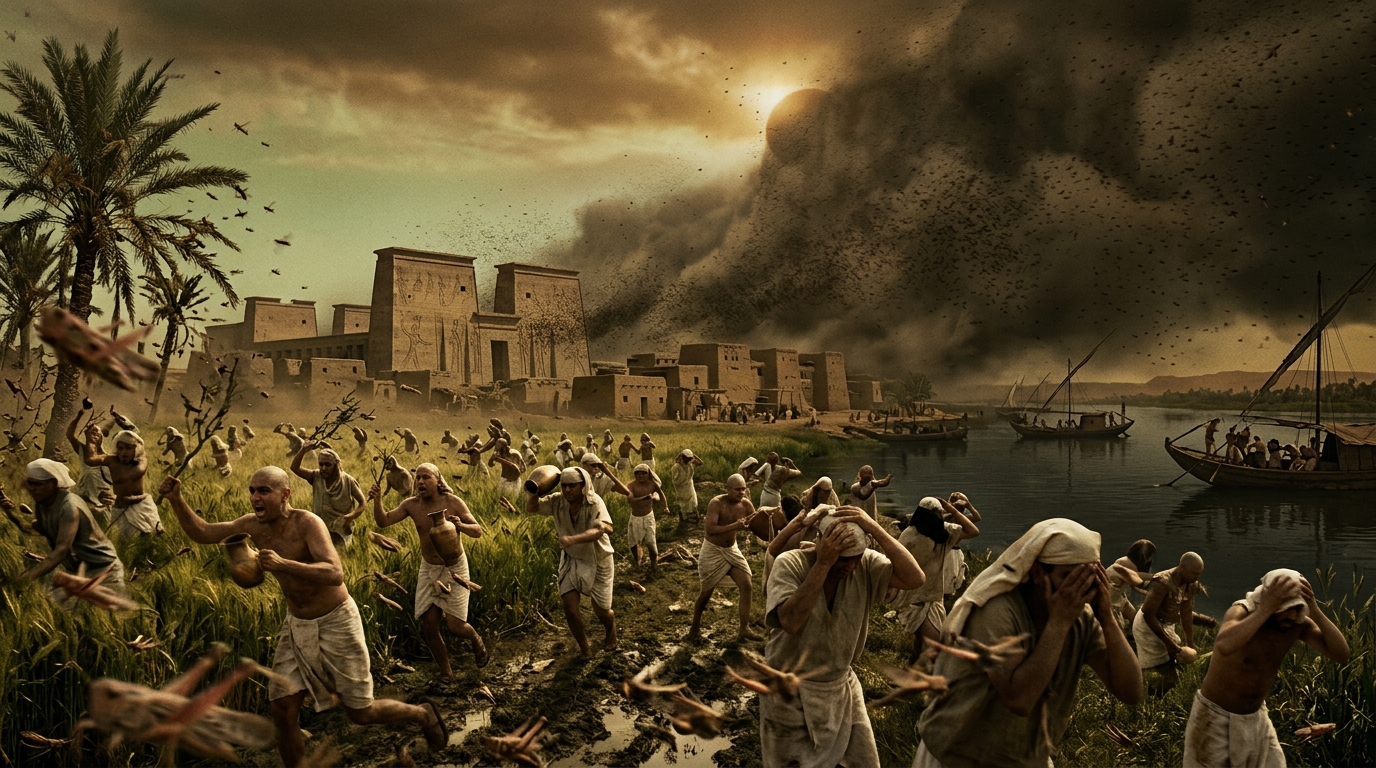
Balancing Challenge and Progression with Environmental Factors
While environmental challenges can enhance immersion, it’s essential to balance them with the game’s progression and difficulty curve. Developers must ensure that these elements add to the experience without frustrating players. This balance can be achieved by providing tools and abilities that allow players to mitigate the impact of adverse weather. For instance, crafting systems could enable players to create shelters or protective clothing to endure the desert’s extremes.
Moreover, environmental challenges should be integrated into the narrative progression. Key story moments could be tied to overcoming specific natural obstacles, such as crossing a dried-up riverbed at a pivotal point in the journey. These moments can serve as milestones, rewarding players with narrative and gameplay advancements for their perseverance and strategic planning.
Conclusion: Enhancing Immersion Through Nature’s Forces
The incorporation of dynamic weather systems and environmental challenges in a Moses game offers a compelling avenue for storytelling and gameplay. By leveraging the natural elements that defined the historical and biblical landscape of the Exodus, developers can create a rich, immersive experience that challenges players both mentally and emotionally. The environment becomes more than just a backdrop; it is a vital component of the narrative, shaping the journey and leaving a lasting impact on those who dare to walk the desert.