Mastering Momentum: Designing the Flow of a Red Sea Crossing Sequence in a Moses Game
Explore pacing and interaction techniques for a thrilling Red Sea crossing in a Moses game, ensuring epic and emotional player experiences.
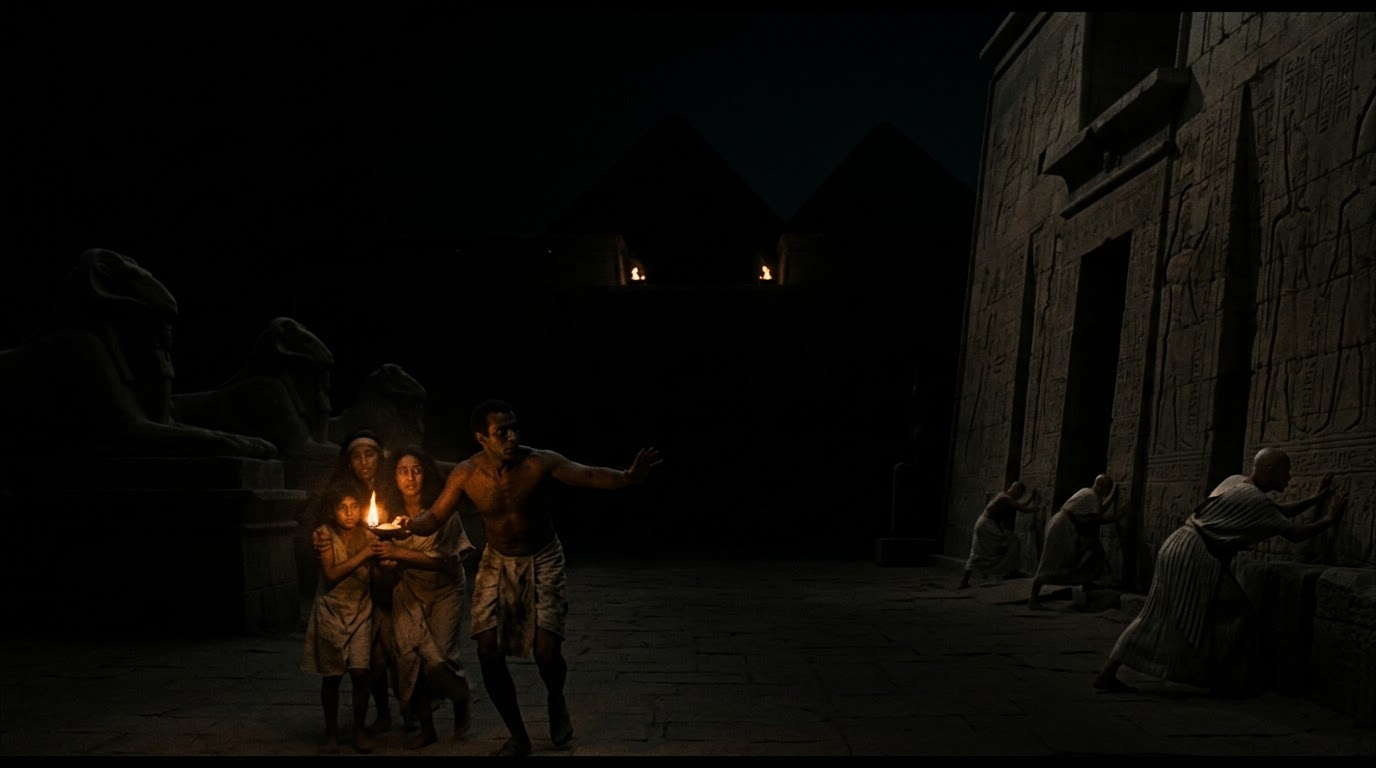
The Significance of the Red Sea Crossing in a Moses Game
The story of Moses leading the Israelites out of Egypt is one of the most dramatic and enduring narratives in history, with the crossing of the Red Sea standing as its climactic moment. For game designers and narrative developers tasked with bringing this biblical scene to life, the challenge lies in crafting a sequence that not only captures the epic scale of the event but also resonates emotionally with players. The Red Sea crossing is not merely an action set-piece; it is a transformative moment of liberation and divine intervention. This article explores how pacing, momentum, and interaction can be harnessed to create a thrilling and immersive experience in a Moses-themed video game.
Building Anticipation: Setting the Stage for a Dramatic Event
Before players can experience the thrill of the Red Sea parting, it’s crucial to build anticipation through gameplay. This can be achieved by crafting a narrative that gradually increases tension, perhaps through a series of escalating challenges that depict the Israelites’ journey to the water’s edge. Players might engage in quests that involve gathering resources or navigating political intrigue within the Egyptian court, thereby deepening their emotional investment in the plight of Moses and his people. By the time the players reach the Red Sea, they should feel the weight of the Israelites’ desperation and hope.
In terms of game mechanics, designers can utilize cutscenes and dialogue to foreshadow the impending miracle. Environmental cues, such as the oppressive heat of the desert or the looming presence of Pharaoh’s army, can further enhance the sense of urgency. These elements work together to ensure that when the Red Sea crossing finally occurs, it feels like the culmination of a carefully orchestrated buildup.

Crafting Momentum: Techniques for Dynamic Pacing and Urgency
The key to a successful Red Sea crossing sequence is maintaining a sense of momentum and urgency. This can be achieved through dynamic pacing, where moments of high tension are interspersed with brief respites that allow players to catch their breath. For instance, as the sea begins to part, players might need to navigate rapidly changing terrain, requiring quick reflexes and strategic thinking.
Incorporating a countdown mechanic could heighten the stakes, as players must guide the Israelites across before the waters return. This ticking clock adds an element of suspense, urging players to make swift yet thoughtful decisions. Additionally, sound design plays a crucial role in maintaining momentum; the roar of the sea, the cries of the Israelites, and the distant thunder of Pharaoh’s chariots can all contribute to a palpable sense of urgency.
Interactive Elements: Engaging Players with Environmental Puzzles and Terrain Challenges
To fully engage players, the Red Sea crossing should incorporate interactive elements that require active participation. Environmental puzzles could be introduced where players must move debris or solve riddles to clear paths through the seabed. These challenges not only enhance the gameplay but also reflect the Israelites’ struggle and resourcefulness.
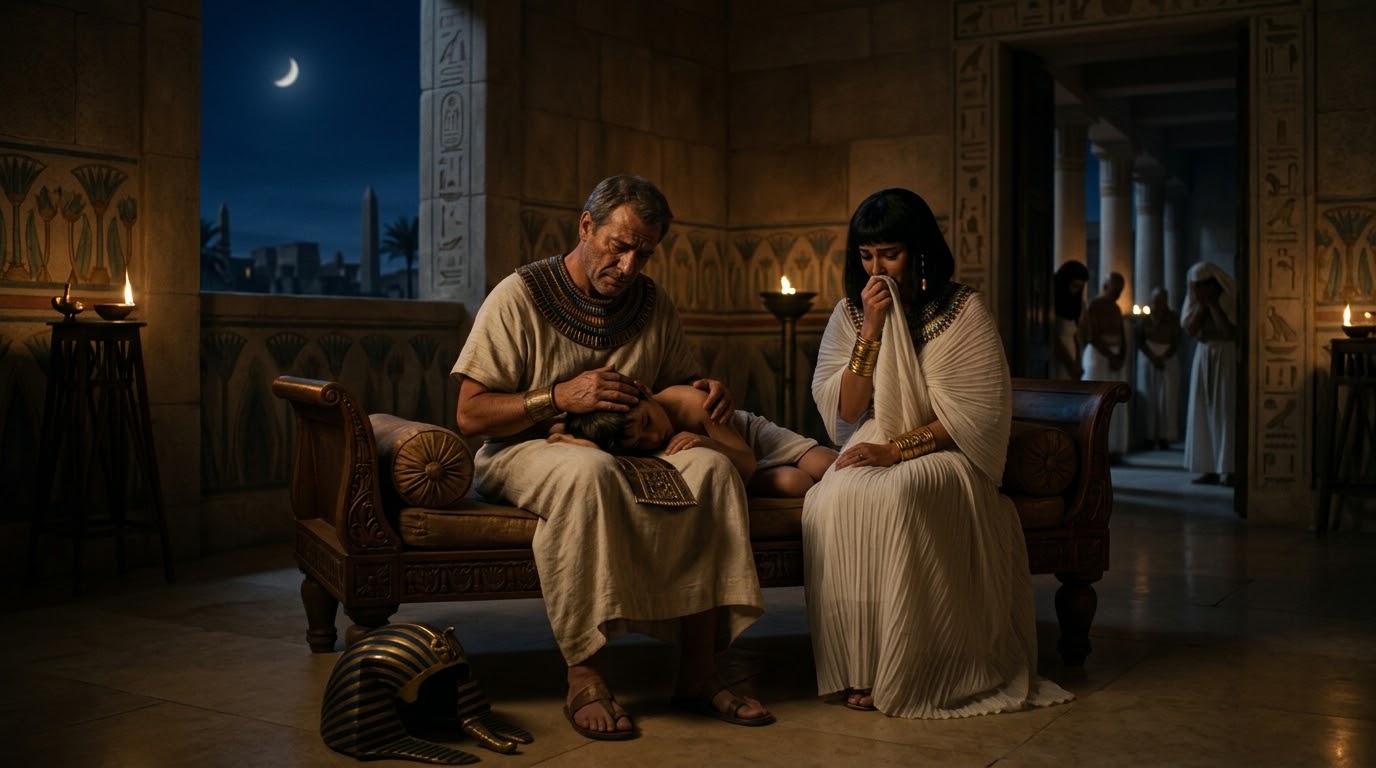
Terrain challenges can add a layer of complexity to the crossing. Players might encounter shifting sands, submerged obstacles, or even creatures of the deep that threaten their progress. By overcoming these hurdles, players can feel a greater sense of accomplishment and connection to the narrative. Furthermore, these interactive elements can serve as metaphors for the broader themes of faith and perseverance that are central to the Exodus story.
The Aftermath: Maintaining Player Engagement Post-Crossing
Once the Red Sea crossing is complete, it’s essential to maintain player engagement by seamlessly transitioning into the aftermath of the event. This could involve a narrative shift that explores the Israelites’ newfound freedom and the challenges that lie ahead in the wilderness. Players might be tasked with establishing a community, managing resources, or facing new threats, ensuring that the momentum of the story continues.
To keep the emotional resonance of the crossing alive, designers can incorporate reflective moments where characters discuss the significance of their escape and their hopes for the future. These moments can deepen the player’s connection to the story and provide a satisfying closure to the high-stakes drama of the crossing.
In conclusion, the Red Sea crossing is not just a pivotal moment in the Exodus narrative but an opportunity for game designers to create an unforgettable experience. By carefully balancing pacing, interactive elements, and narrative depth, developers can craft a sequence that is both thrilling and meaningful, leaving a lasting impression on players as they journey through the epic tale of Moses.