Ambient Soundscapes of the Exodus: Creating Immersive Audio Experiences in a Moses Game
Explore how ambient soundscapes enhance the immersive experience of a Moses game, reflecting the emotional and spiritual depth of the Exodus journey.
Introduction: The Significance of Sound in Storytelling
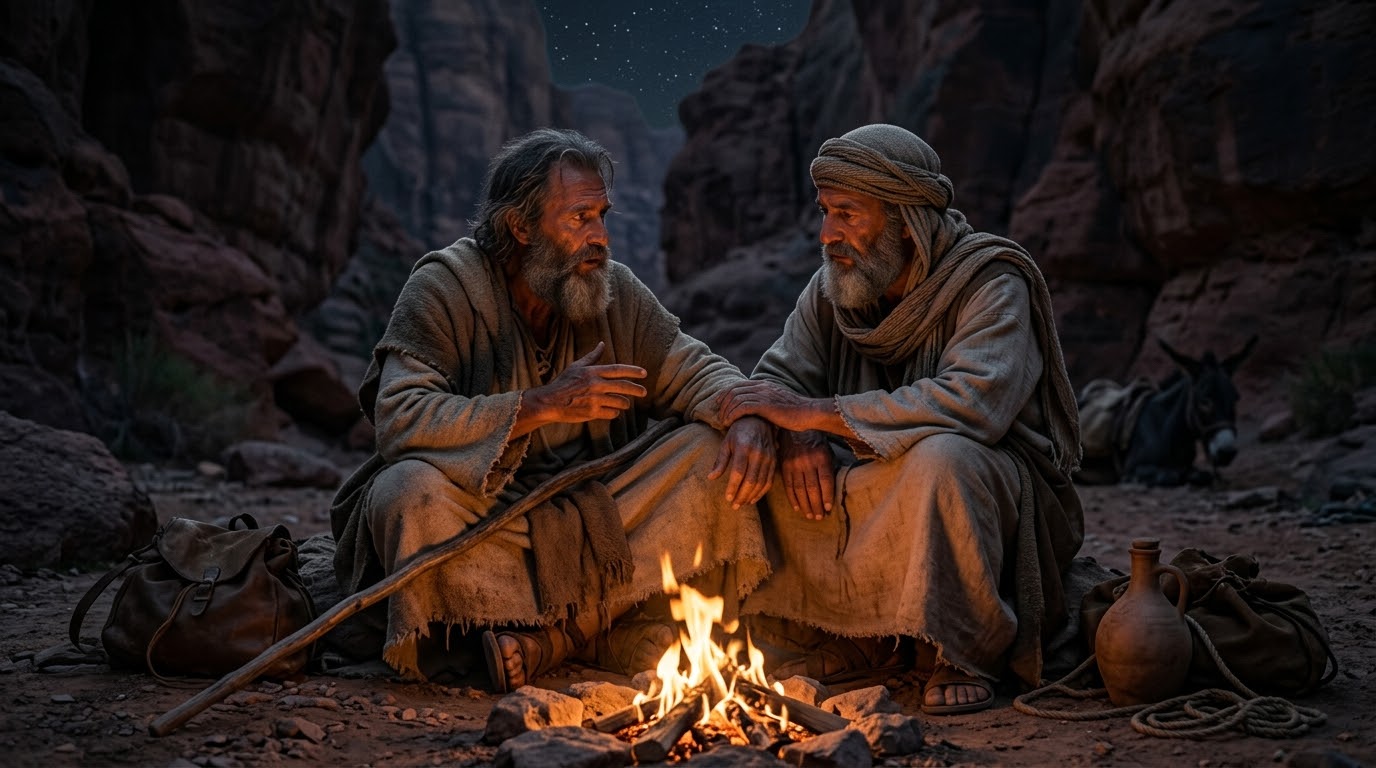
In the realm of video games, sound design is not merely an accessory but a fundamental component that shapes the player’s experience. When it comes to a game inspired by the biblical narrative of Moses and the Exodus, ambient soundscapes can play a pivotal role in immersing players in this ancient world. By crafting a rich tapestry of sounds, developers can evoke the emotional and spiritual depth of the journey from Egypt to the Promised Land. This article delves into how ambient soundscapes can elevate the storytelling of a Moses game, creating an environment that is both historically authentic and creatively compelling.
Capturing the Ancient World: Authenticity in Ambient Sound
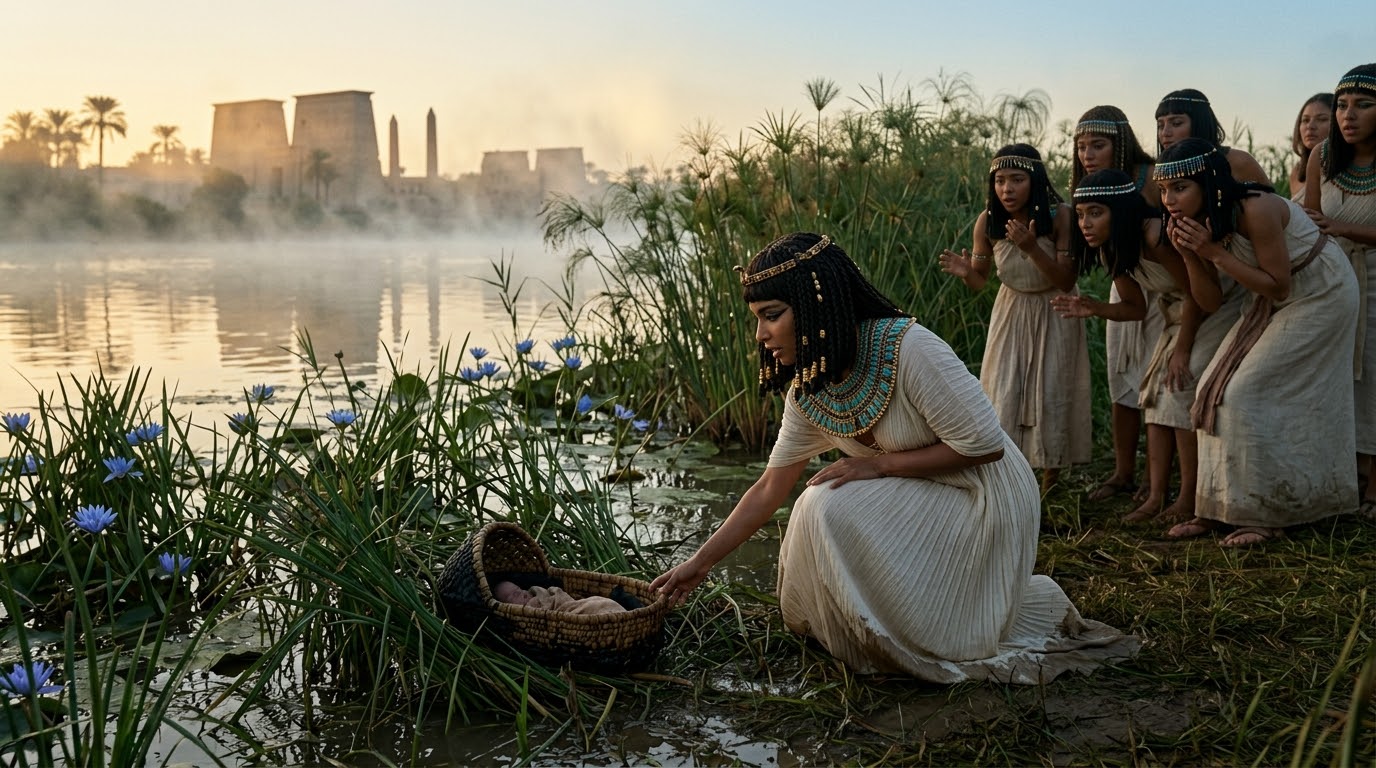
Recreating the sonic environment of ancient Egypt and the Sinai desert presents unique challenges. The task is to capture the essence of a world that existed thousands of years ago, using sound to convey the daily life, culture, and landscapes of the time. Authenticity is crucial; it involves integrating sounds that ancient inhabitants might have experienced, from the bustling markets of Egyptian cities to the serene yet harsh winds of the desert.
Developers can draw on historical research and archaeological findings to inform their sound design. For instance, ambient sounds might include the murmur of Nile waters, the distant calls of traders and livestock, and the rhythmic chants of laborers. The Sinai desert, in contrast, could be characterized by the soft rustle of sand, the call of distant wildlife, and the eerie silence that underscores the vastness of the wilderness.
Dynamic Progression: Audio Design Across the Exodus Journey
As players progress through Moses’ journey, the soundscape must evolve to reflect the changing environments and emotional arcs of the narrative. This dynamic progression is vital for maintaining engagement and enhancing the storytelling.
In the early stages, the oppressive sounds of Egyptian enslavement could dominate—clattering chains, the crack of whips, and the cries of the oppressed. As the journey progresses into the liberation phase, the soundscape could shift to reflect hope and freedom, with uplifting musical motifs and the ambient sounds of nature reclaiming its space. The crossing of the Red Sea, a pivotal moment, could be underscored by dramatic shifts in sound, using water and wind to heighten the tension and triumph of the escape.
Balancing History and Creativity: Techniques in Sound Design
Striking a balance between historical authenticity and creative expression is essential in sound design. While historical accuracy grounds the player in the world of the game, creative sound design can enhance the emotional and narrative impact.
Developers might employ techniques such as layering real-world recordings with synthetic sounds to create a unique auditory experience. For instance, blending the natural sounds of a desert with subtly manipulated audio effects can evoke a sense of the supernatural—a fitting nod to the divine interventions in Moses’ story. Additionally, using spatial audio technologies can create a sense of depth and immersion, allowing players to hear sounds as if they are moving through a living, breathing world.
Divine and Human Elements: Conveying the Spiritual Through Sound
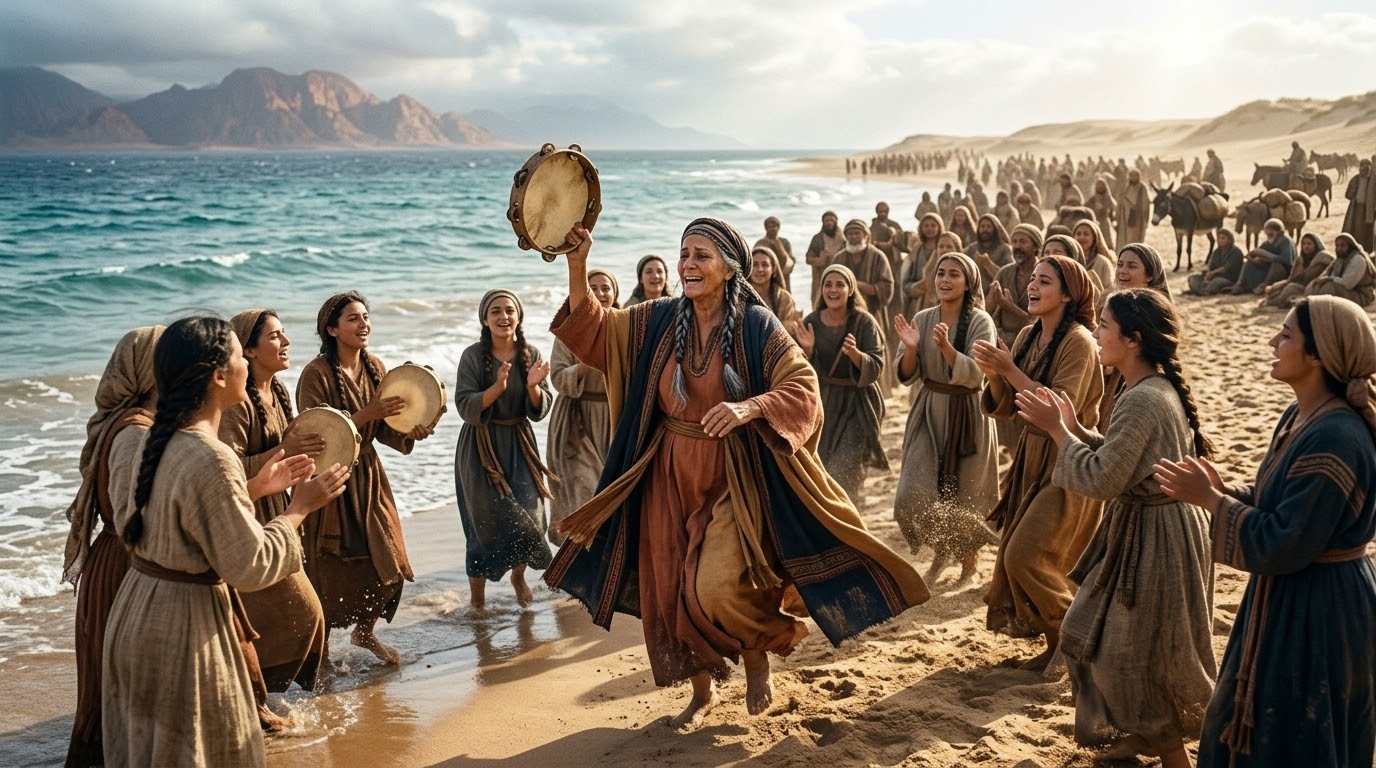
The story of Moses is as much about divine intervention as it is about human resilience. Sound design can convey these dual elements by using music and ambient sounds to reflect both the sacred and the mundane aspects of the journey.
To capture the divine, developers can use choral arrangements or ethereal soundscapes that evoke a sense of wonder and reverence. The burning bush, a key moment of divine encounter, could be accompanied by a soundscape that blends crackling fire with a harmonious, otherworldly choir, emphasizing its spiritual significance. Conversely, the human struggle and perseverance can be underscored by more grounded, earthy sounds—footsteps on sand, the murmur of a weary camp, and the distant echo of a horn signaling the next leg of the journey.
Conclusion: Crafting an Unforgettable Audio Experience
The potential for ambient soundscapes to enhance a Moses game is immense. By thoughtfully integrating sound into the narrative, developers can create a more immersive and emotionally resonant experience. The journey of the Exodus is not just a physical one but a transformative odyssey of faith, freedom, and identity. Through innovative sound design, players can be transported into this world, experiencing the highs and lows, the divine and the human, in a deeply impactful way.
In conclusion, the art of sound design in a Moses game offers a unique opportunity to blend history with creativity, crafting an audio experience that remains with players long after the game is over. By focusing on the ambient soundscapes, developers can ensure that the story of the Exodus is not just told but felt, resonating with players on a profound level.