Secrets Beneath the Sands: Unearthing Hidden Ruins and Artifacts in a Moses Game
Explore hidden ruins and artifacts in a Moses game to enrich narrative and worldbuilding, rewarding player curiosity.
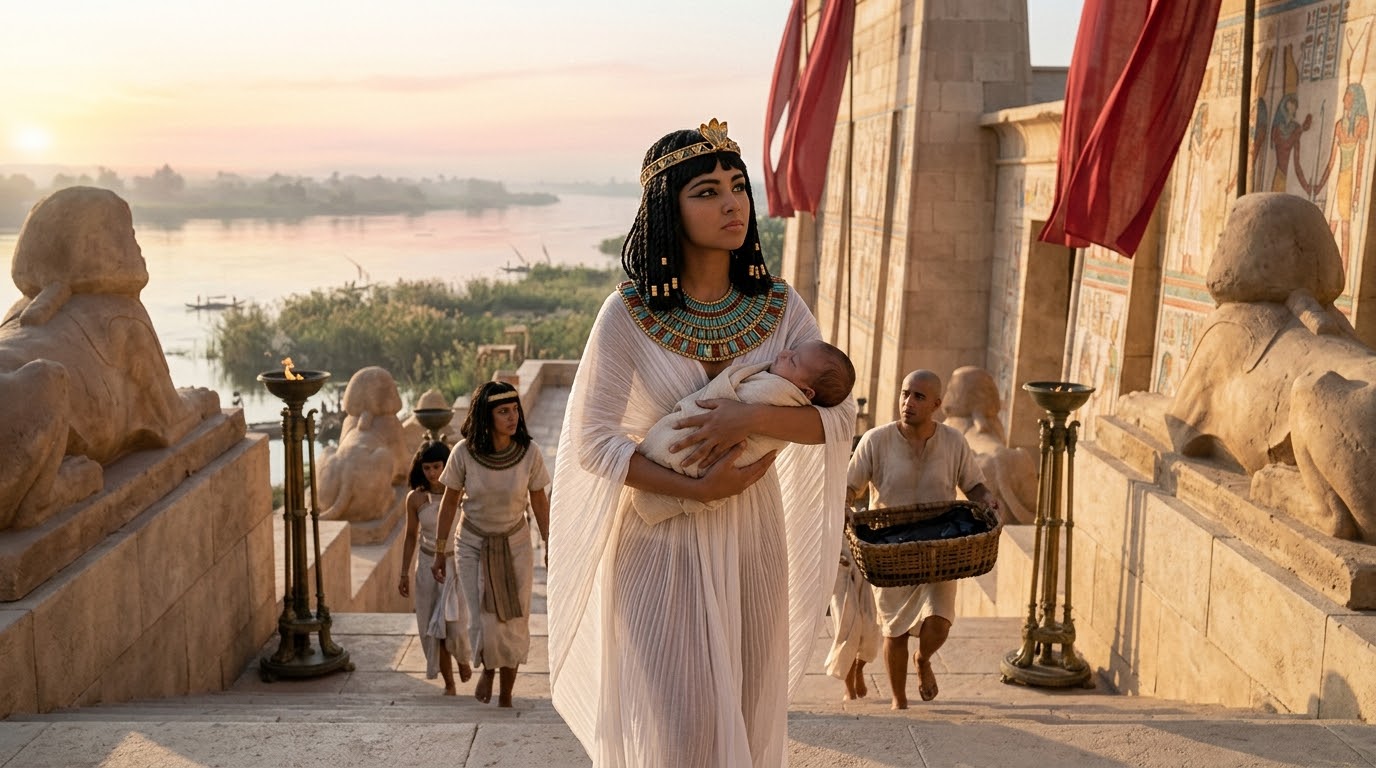
The Allure of Hidden Discoveries
Video games have long captivated players with the promise of discovery. From the mysterious dungeons of Hyrule to the ancient tombs of Lara Croft, the allure of uncovering secrets has consistently driven player engagement and satisfaction. In a game inspired by the story of Moses, the inclusion of hidden ruins and artifacts can serve as a powerful mechanism to enrich the narrative and deepen the player’s connection to the ancient world.
Set against the backdrop of Ancient Egypt and the Exodus, a Moses game offers a fertile ground for integrating these elements. By weaving hidden discoveries into the fabric of the game, developers can provide players with a richer, more immersive experience that rewards curiosity and exploration. But what types of ruins and artifacts should be included, and how can they be effectively integrated into the gameplay?
Designing the Environment: Techniques for Integrating Ruins and Artifacts
Designing a game environment that feels both expansive and intimate is a delicate balance, especially in a narrative as storied as that of Moses. The environment should reflect the grandeur and complexity of Ancient Egypt, with its bustling cities, vast deserts, and fertile plains. Within this rich tapestry, hidden ruins and artifacts can be seamlessly integrated to enhance the player’s journey.
Consider, for instance, the possibility of discovering a hidden temple buried beneath the sands. This temple could be a remnant of a forgotten civilization, offering insights into the religious practices and daily lives of its inhabitants. Artifacts such as pottery, scrolls, or tools could be scattered throughout, each telling a piece of the story.
Environmental storytelling techniques, such as visual cues and atmospheric design, can guide players to these hidden locations. A faint trail of footprints leading into the desert, or a glint of sunlight reflecting off a buried statue, can entice players to investigate further. These discoveries not only add depth to the game’s world but also create a sense of wonder and anticipation as players uncover the secrets of the past.
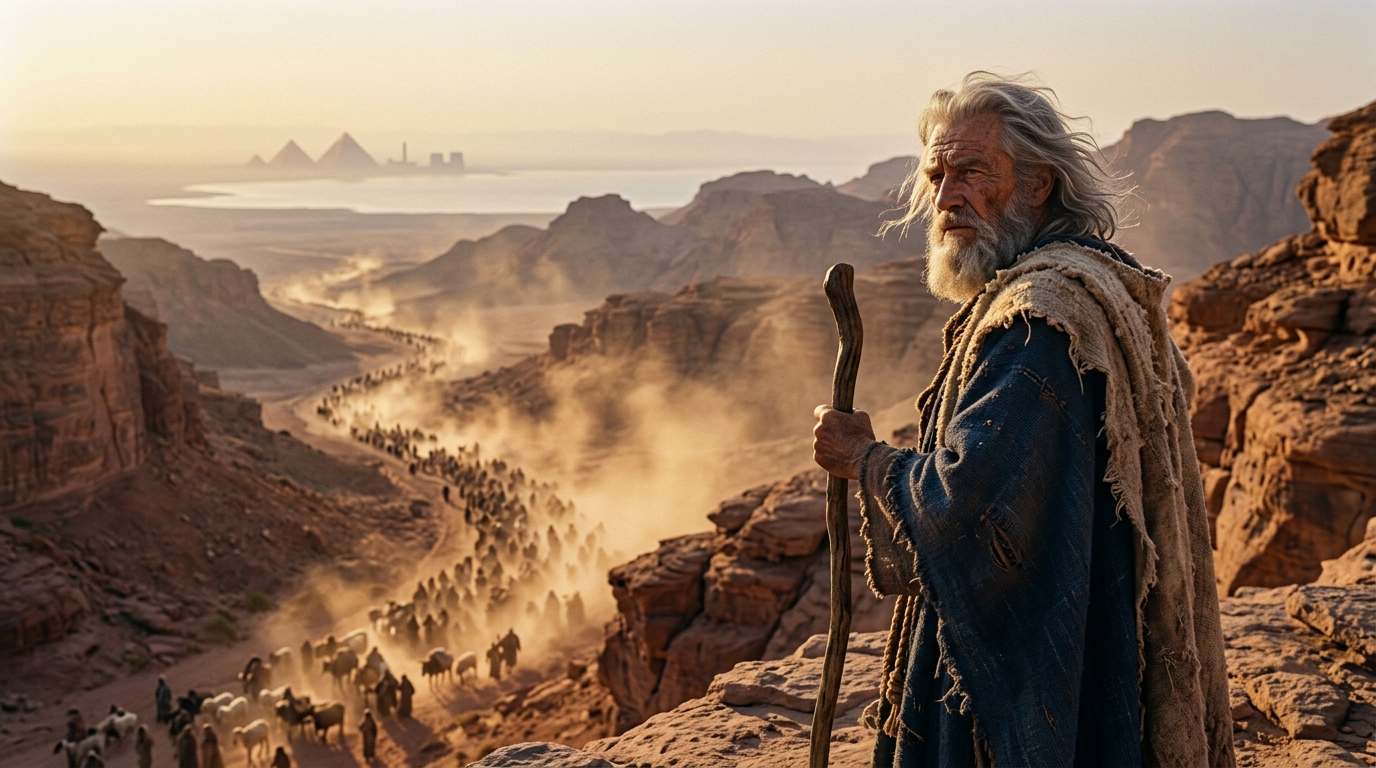
Narrative Depth: How Secrets Enhance Storytelling
The inclusion of hidden ruins and artifacts can significantly enhance the storytelling potential of a Moses game. These elements serve as conduits for deeper narrative exploration, allowing players to piece together the history and culture of the world they inhabit. By finding a lost artifact, players might unlock a side quest that reveals more about the socio-political dynamics of Ancient Egypt or the personal histories of key characters.
For example, discovering an ancient papyrus scroll detailing an alternate account of the Exodus could introduce a plot twist that challenges the player’s understanding of the main storyline. Such discoveries can provide layers of narrative complexity, encouraging players to question and reflect on the events unfolding before them.
Moreover, these secrets can offer a more personalized experience, as players choose which paths to explore and which mysteries to solve. This player-driven approach to storytelling ensures that each playthrough is unique, fostering a deeper emotional connection to the game world.
Player Engagement: Rewarding Curiosity Through Discovery
Engagement is a crucial factor in maintaining player interest and satisfaction. By incorporating hidden ruins and artifacts, a Moses game can effectively reward player curiosity and encourage exploration. These discoveries can offer tangible rewards, such as rare items or abilities, as well as intangible benefits, such as increased knowledge and insight into the game’s lore.
For instance, uncovering a hidden chamber within a pyramid might grant players a powerful artifact that aids them in their journey. Alternatively, finding a forgotten village could reveal new characters and side quests, expanding the player’s understanding of the game’s world.
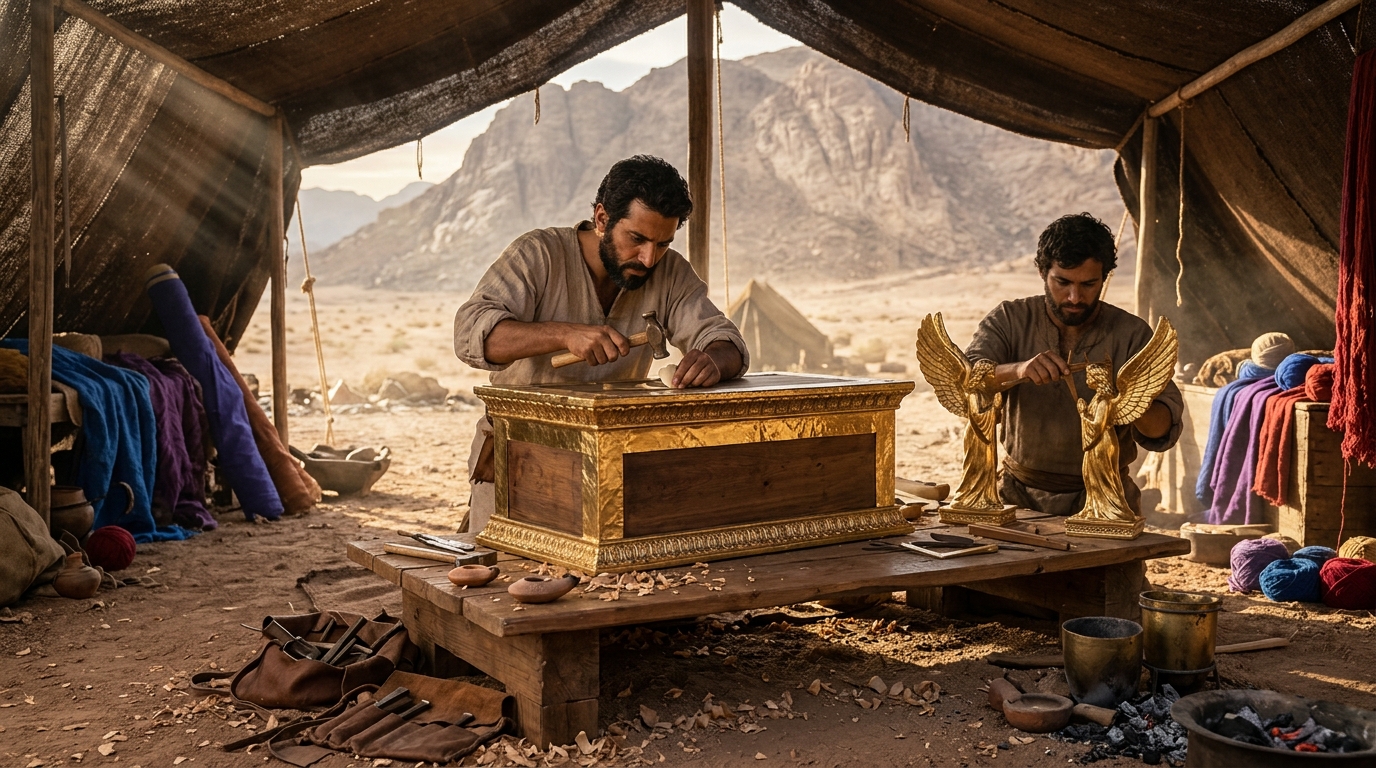
These rewards not only enhance the gameplay experience but also incentivize players to engage more deeply with the game’s environment. By fostering a sense of curiosity and wonder, developers can create a more dynamic and engaging experience that keeps players invested in the game’s narrative and world.
Balancing the Game World: Complementing the Main Story
While the integration of hidden ruins and artifacts can greatly enrich a Moses game, it’s essential to balance these elements with the main storyline. The primary narrative—the journey of Moses and the Exodus—should remain the central focus, with hidden discoveries serving to complement and enhance the overall experience.
To achieve this balance, developers should ensure that optional discoveries do not overshadow the main plot. Instead, they should be designed to provide context and depth, offering players additional layers of meaning without detracting from the core narrative.
One approach is to tie these discoveries to the main story thematically. For example, a hidden ruin that depicts the plagues of Egypt could offer insights into the broader implications of these events, deepening the player’s understanding of their significance.
By carefully balancing these elements, developers can create a cohesive and immersive experience that respects the integrity of the biblical narrative while providing players with the freedom to explore and discover at their own pace.
In conclusion, the integration of hidden ruins and artifacts in a Moses game presents a unique opportunity to enrich the narrative and worldbuilding. By rewarding player curiosity and encouraging exploration, these elements can provide a deeper, more engaging experience that complements the main story and immerses players in the ancient world of Egypt and the Exodus.