Balancing Faith and Strategy: Designing Player Choices in a Moses Game
Explore how player choices in a Moses game can reflect faith and strategy, impacting narrative outcomes and player experience.
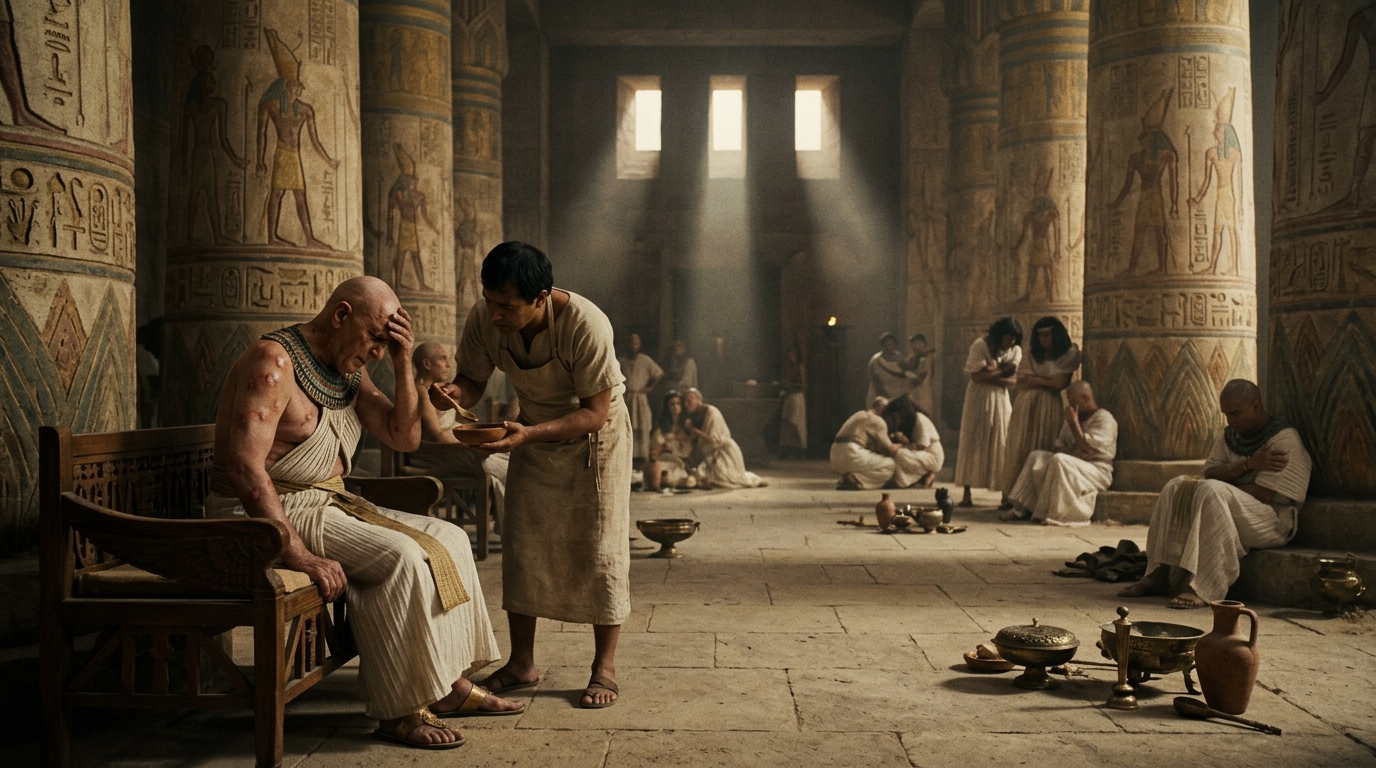
Introduction: The Intriguing Intersection of Faith and Strategy
Designing a video game based on the biblical story of Moses offers a unique opportunity to explore the complex interplay between faith and strategic decision-making. This intersection is not just a narrative challenge but a gameplay one, where players must navigate the dual pressures of maintaining spiritual integrity and ensuring practical survival. The challenge lies in crafting a game that respects the biblical narrative while providing engaging mechanics that reflect the tensions Moses faced during the Exodus.
Historical Context: Faith and Decision-Making in the Exodus Narrative
The story of Moses is rich with moments where faith and strategy converge. According to the biblical account, Moses led the Israelites out of Egypt, a journey fraught with obstacles that required both divine guidance and human ingenuity. Key events such as the crossing of the Red Sea and the provision of manna in the desert highlight the miraculous, yet they also underscore the necessity of leadership and decision-making under pressure. Historically, the Exodus narrative illustrates a leader balancing divine instructions with the immediate needs of his people, providing a fertile ground for gameplay exploration.
Mechanics of Choice: Designing Player Decisions that Matter
To effectively simulate the balance between faith-driven and strategic decisions, the game can incorporate mechanics that allow players to choose between different paths, each with its own risks and rewards. For instance, players might decide whether to wait for divine intervention or take immediate action in a crisis. These choices can be designed to affect not only the immediate outcome but also the unfolding narrative, reflecting the impact of Moses’ decisions on the broader journey.
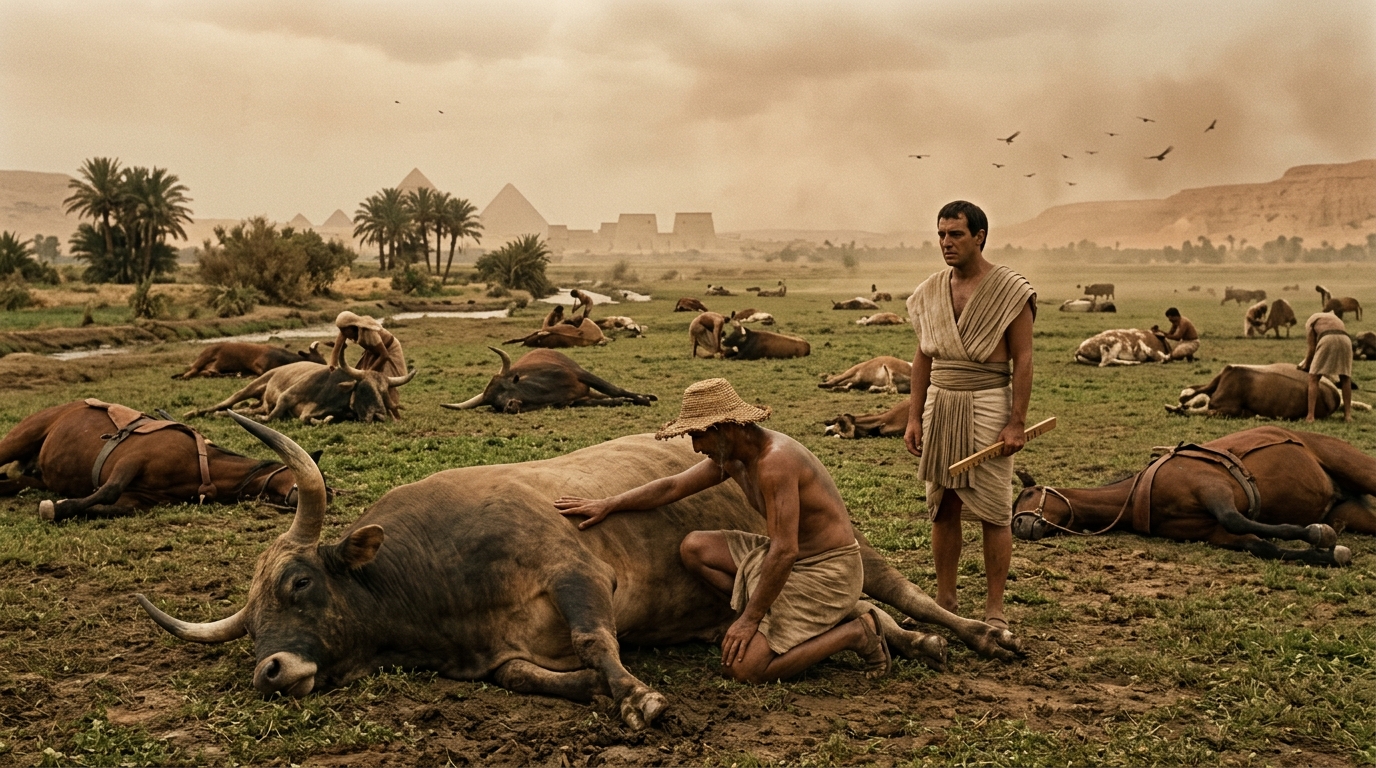
One possible mechanic could involve a “faith meter” that influences the success of certain actions, encouraging players to weigh the potential outcomes of faith-based versus strategic decisions. This system would challenge players to consider how their choices align with the character of Moses as a leader who trusted in a higher power while managing the practical realities of leading a large group of people.
Impact on Companions: Morale and Group Dynamics
Incorporating the dynamics of group morale and companion interactions can deepen the player’s experience of leadership. As players make choices, the morale of their followers could rise or fall, influencing their effectiveness and willingness to follow Moses’ lead. For example, choosing a risky strategy that results in hardship might lower morale, whereas a decision that aligns with divine guidance could boost it.
Mechanics that simulate group dynamics can also allow for varied interactions with key figures in the Exodus story, such as Aaron or Miriam. These interactions could provide opportunities for players to engage in dialogue that tests their understanding of faith-driven leadership, offering a nuanced portrayal of the challenges Moses faced.
Resource Management: The Physical and Spiritual Struggle
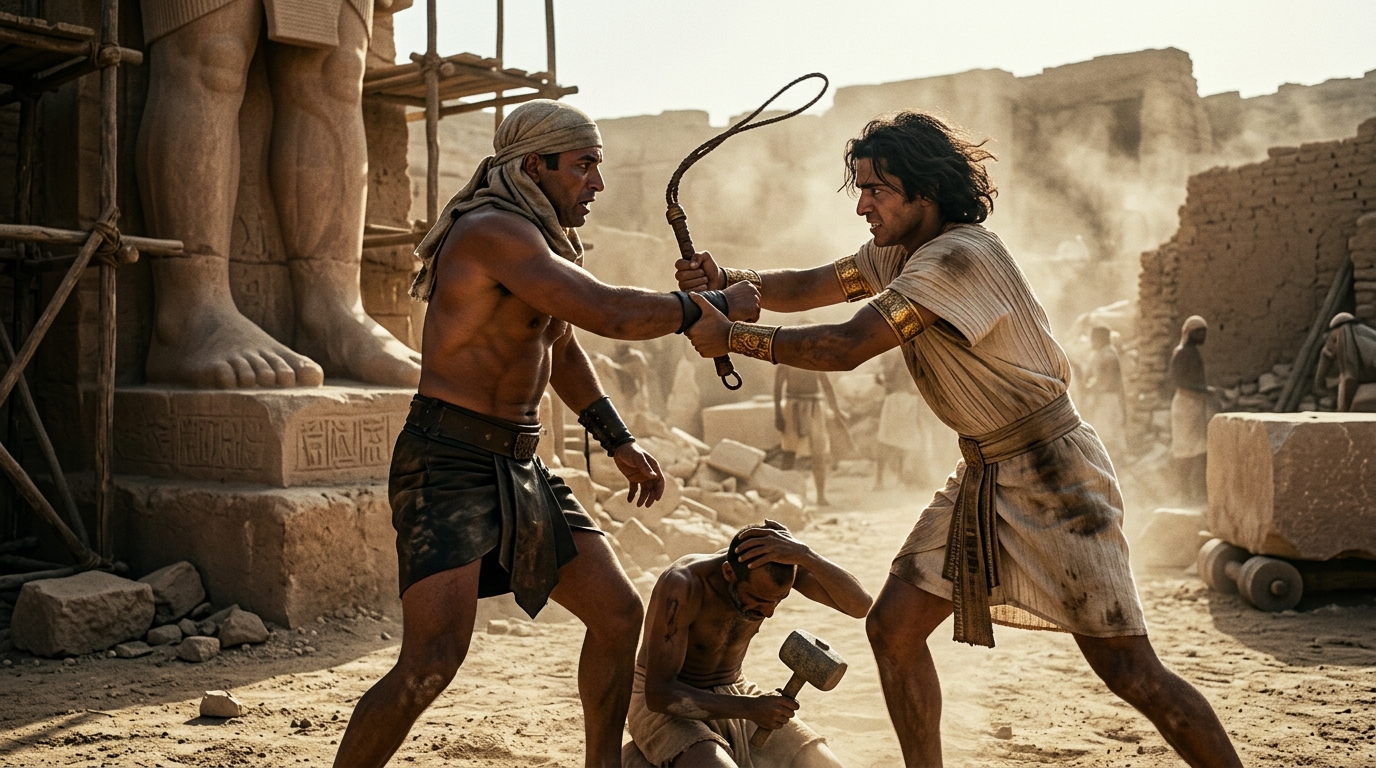
A critical aspect of the Exodus journey was the struggle for resources, both physical and spiritual. A game can depict this by integrating resource management mechanics that reflect the scarcity and challenges of desert life. Players might need to make decisions about rationing food, water, and other supplies, balancing immediate needs with long-term survival.
This element of gameplay not only adds a layer of strategic complexity but also highlights the reliance on faith to provide in times of need. The tension between conserving resources and trusting in divine provision can create compelling scenarios where players must decide how to lead their people through adversity.
Conclusion: Reflecting on Player Experience and Story Integrity
Balancing faith and strategy in a Moses game is about more than just mechanics; it’s about creating a meaningful narrative experience that resonates with players. By allowing players to engage with the moral and practical dilemmas Moses faced, the game can offer a deeper understanding of the Exodus narrative and the complexity of faith-driven leadership.
The challenge for developers is to create a game that respects the integrity of the biblical story while providing a dynamic and engaging player experience. Through thoughtful design, this game could not only entertain but also inspire players to reflect on the enduring themes of faith, leadership, and the human spirit’s resilience.