Manna Beyond the Mirage: Designing Supply Quests in the Sinai Wilderness
Explore how supply quests in a Moses game can reflect the logistical challenges of the Sinai wilderness.

Introduction: The Challenges of the Sinai Wilderness
Designing a video game inspired by the biblical Exodus offers a unique opportunity to explore the historical and narrative depth of one of the most compelling stories in ancient texts. While many might focus on the grand miracles, such as the parting of the Red Sea, there’s a rich vein of storytelling in the Israelites’ journey through the Sinai wilderness. This period, marked by scarcity and survival, poses a fascinating challenge for game developers interested in creating engaging supply quests that are both entertaining and historically informed.
Historical Perspectives and Biblical Accounts
The biblical narrative provides a detailed account of the Israelites’ 40-year sojourn in the desert, highlighting their struggles with hunger, thirst, and the harsh desert environment. Historical sources, while less detailed, offer insights into the logistics of ancient nomadic life. Archaeological evidence suggests that survival in such conditions would have required intricate knowledge of local resources, trade routes, and seasonal changes.
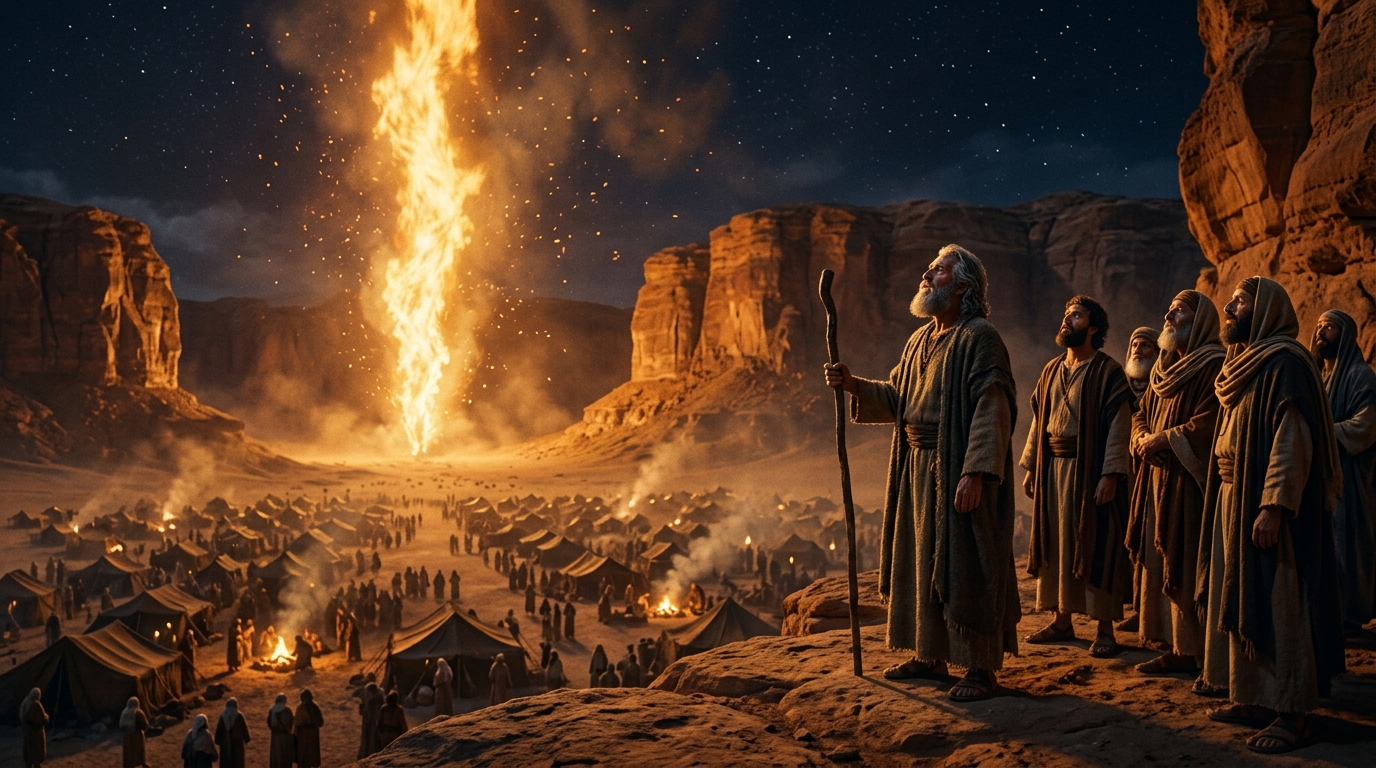
For game developers, these sources provide a framework for creating quests that mirror the logistical challenges faced by the Israelites. Players could be tasked with finding water sources, gathering food, and managing a community’s morale as they traverse the arid landscape. This approach not only stays true to the historical context but also enriches the player’s experience by immersing them in the day-to-day realities of ancient nomadic life.

Game Mechanics for Simulating Scarcity and Survival
To simulate the scarcity and survival aspects of the Exodus narrative, developers can draw inspiration from existing survival and strategy games. Mechanics such as resource gathering, inventory management, and crafting systems can be adapted to reflect the unique challenges of the Sinai wilderness. For instance, players might need to allocate limited resources among their community, deciding whether to prioritize immediate needs or save for future hardships.
Dynamic weather systems and randomized events could further enhance the realism of the game world. A sudden sandstorm might force players to find shelter quickly, while a rare oasis could offer a temporary reprieve from thirst. These mechanics not only add depth to the gameplay but also emphasize the unpredictability and harshness of desert life, drawing players deeper into the narrative.
Narrative Techniques to Engage Players
While mechanics are crucial, narrative techniques play an equally important role in engaging players. Storytelling elements such as character development, dialogue, and moral choices can be used to convey the emotional and psychological toll of the Israelites’ journey. Players could interact with diverse characters, each with their own backstories and motivations, creating a tapestry of human experience that reflects the broader themes of faith, perseverance, and community.
Quests could also include moral dilemmas that challenge players to consider the well-being of their community versus individual survival. For example, a quest might involve deciding whether to share a limited food supply with a neighboring group or keep it for one’s own people. These decisions could have lasting consequences, affecting relationships and influencing the game’s outcome.
Balancing Historical Accuracy and Gameplay Fun
One of the key challenges in designing these supply quests is balancing historical accuracy with gameplay enjoyment. While it’s important to remain faithful to the historical and biblical context, the game must also be engaging and accessible to a wide audience. Developers can achieve this balance by focusing on the core themes of survival and community, using historical details to enrich the narrative rather than constrain it.
Creative liberties, such as introducing fictional characters or events, can be justified if they serve to enhance the player’s understanding of the period. The goal is to create a game that is both educational and entertaining, offering players a window into the past while providing a compelling gameplay experience.
Conclusion: Designing a Compelling Exodus Experience
Designing supply quests in a game inspired by the Exodus narrative offers a unique opportunity to explore the logistical challenges faced by the Israelites in the Sinai wilderness. By drawing on historical and biblical sources, employing innovative game mechanics, and using engaging narrative techniques, developers can create a rich and immersive experience that resonates with players. The key is to balance historical authenticity with gameplay enjoyment, crafting quests that not only entertain but also educate and inspire. In doing so, developers can offer a fresh perspective on a timeless story, inviting players to journey beyond the mirage and discover the deeper truths of survival and community resilience in the ancient world.