Designing the Exodus: Balancing Large-Scale Events with Intimate Player Experiences
Explore game design challenges of merging large-scale Exodus events with intimate player experiences and narrative depth.
Introduction: The Significance of the Exodus
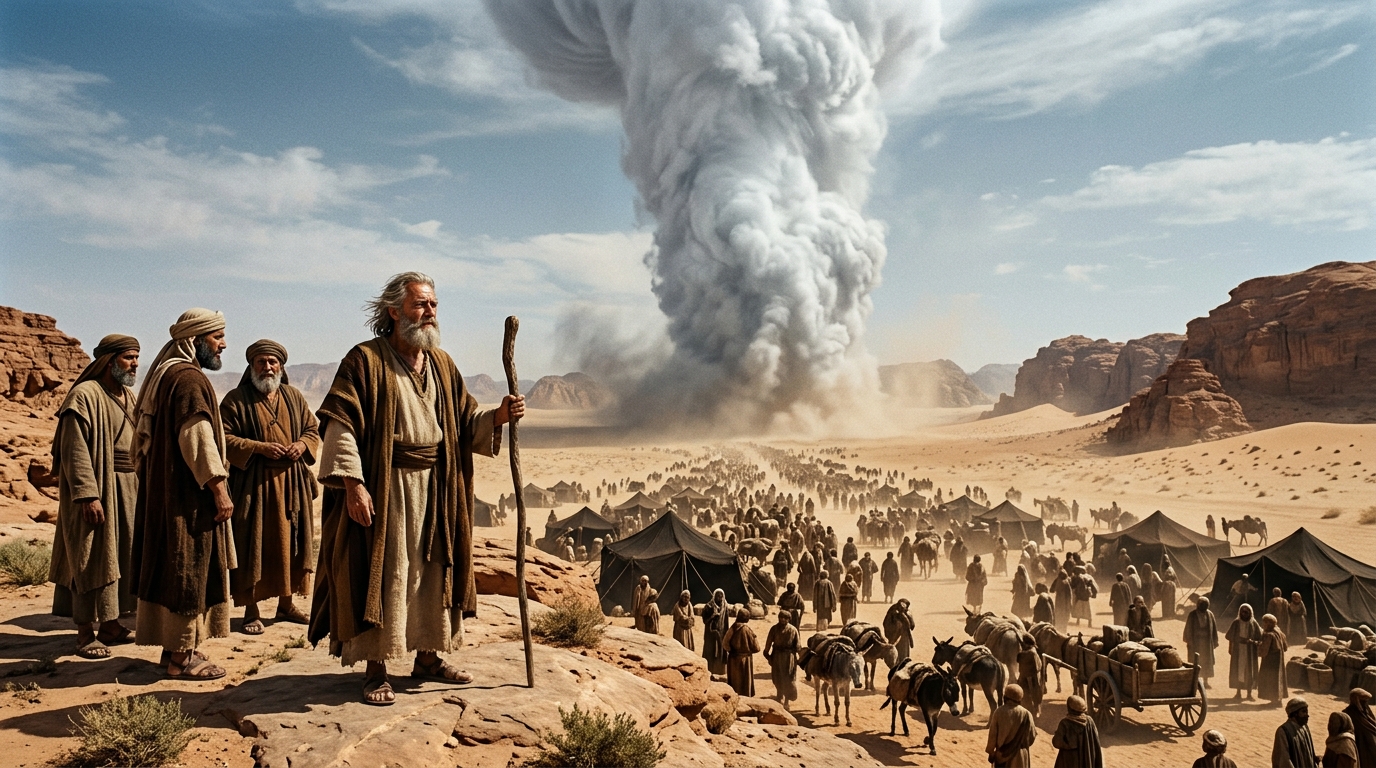
The Exodus is one of the most dramatic narratives in the Bible, chronicling the liberation of the Israelites from slavery in Egypt under the leadership of Moses. This epic tale is filled with grand events such as the Ten Plagues, the parting of the Red Sea, and the revelation at Mount Sinai. However, translating such a monumental story into a video game presents unique challenges, particularly in balancing the scale of these events with the intimate, personal experiences of individual players. For game designers and narrative enthusiasts, the task is to create a world that feels both vast and personal, allowing players to engage deeply with the story while maintaining a sense of agency and connection.
Balancing Scale: Crafting Large-Scale Events
One of the primary challenges in designing a game based on the Exodus is how to effectively portray large-scale events without overwhelming the player. These events, like the plagues or the crossing of the Red Sea, are inherently collective experiences involving vast numbers of people. To manage this, developers might consider using dynamic crowd mechanics that allow for the simulation of large groups while still giving players the ability to focus on individual interactions. Techniques such as AI-driven crowd behavior and scalable environments can help create a sense of immersion, making the player feel part of something larger than themselves.
Incorporating these mechanics into gameplay could involve allowing players to influence crowd movements or decisions, perhaps through strategic choices or moral dilemmas that affect the group’s path. Such interactions would not only make large events feel more interactive but also give players a sense of responsibility and impact within the game world.
Player Agency: Navigating Predetermined Narratives
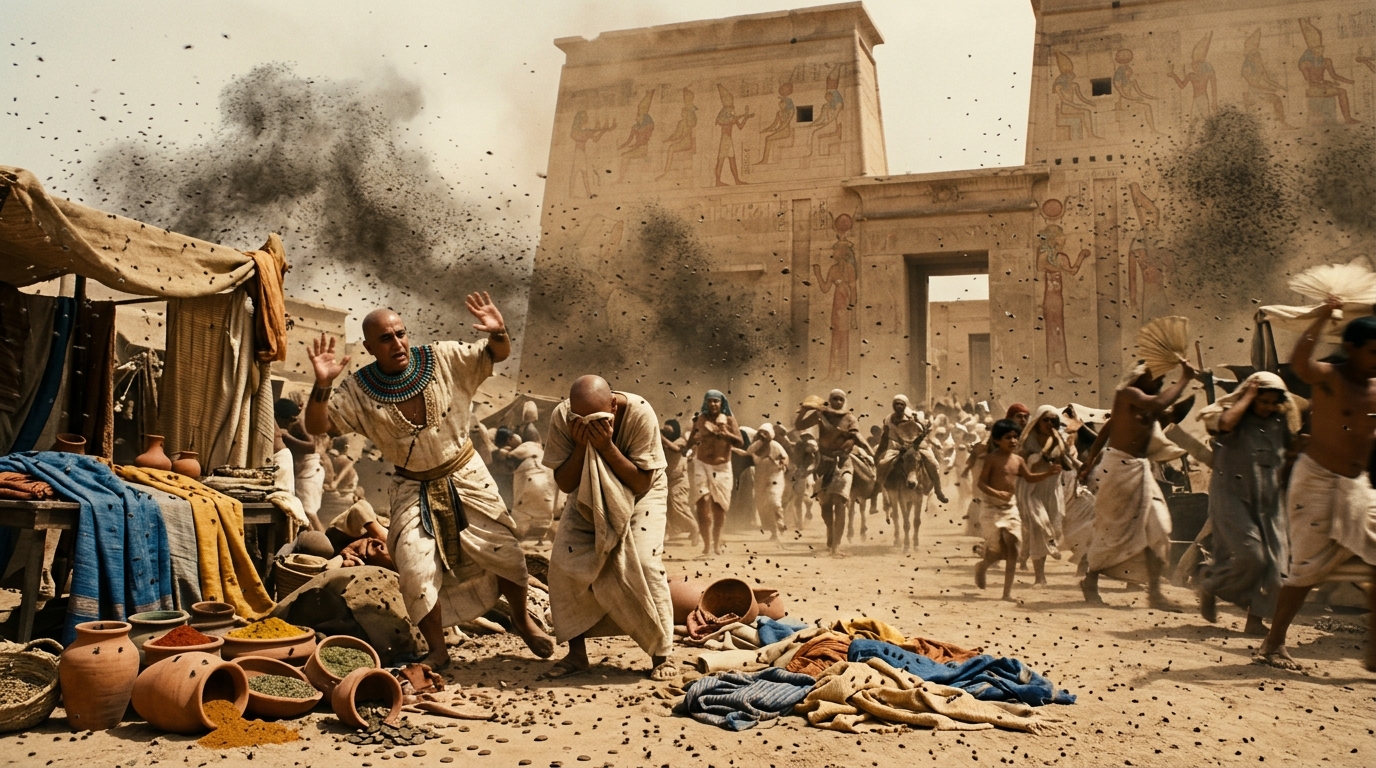
The biblical narrative of the Exodus is linear and predetermined, which poses a challenge for maintaining player agency. To address this, designers can introduce branching storylines and side quests that allow players to explore personal stories within the larger narrative framework. By focusing on individual characters and their journeys, players can experience the Exodus from multiple perspectives, enriching their understanding of the historical and cultural context.
Additionally, implementing decision-making mechanics that influence personal and communal outcomes can give players a sense of control over their story. These choices could range from moral and ethical decisions to strategic planning, each affecting the player’s experience and the narrative’s progression.
Cultural Representation: Depicting Societal Complexities
Accurately representing the cultural and societal complexities of Ancient Egypt and the Hebrew people is crucial for authenticity. This involves careful research into historical records, archaeological findings, and cultural studies to create a nuanced portrayal of these civilizations. Game designers must consider the daily life, agriculture, trade, and governance of the time, going beyond the stereotypical images of pyramids and deserts.
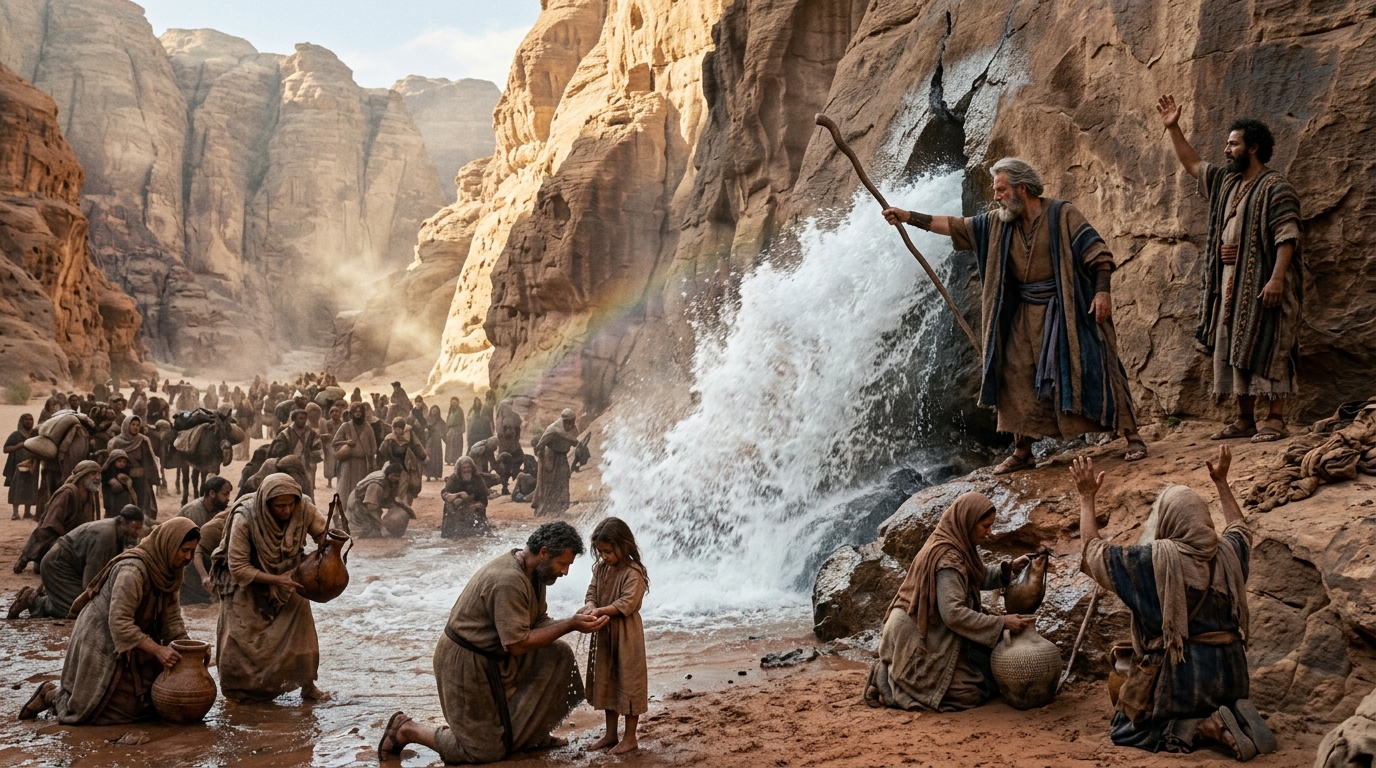
Incorporating these elements into the game can involve detailed world-building that reflects the diversity of the era. Players could engage in activities like trading, farming, or participating in community rituals, providing a deeper connection to the world and its inhabitants. These interactions would highlight the rich tapestry of life during the Exodus, enhancing the player’s immersion and understanding.
Implementing Intimacy: Fostering Personal Player Journeys
While the grand events of the Exodus are essential, the personal stories of individuals navigating these times are equally compelling. To foster intimate player experiences, designers can create character-driven narratives that explore themes of faith, freedom, and identity. Players could form relationships with NPCs, undertake personal quests, and make choices that shape their character’s growth and development.
These personal journeys can be intertwined with the larger narrative, allowing players to see the impact of their actions on both a micro and macro scale. By focusing on character development and personal stakes, the game can offer a more emotionally engaging experience that resonates with players on a deeper level.
Conclusion: Achieving Harmony Between Scale and Intimacy
Designing a game based on the Exodus requires a delicate balance between large-scale events and intimate player experiences. By employing innovative gameplay mechanics, thoughtful narrative design, and a commitment to cultural authenticity, developers can create a game that honors the grandeur of the biblical story while offering personalized, meaningful experiences. This approach not only enhances player immersion but also provides a unique opportunity to explore one of history’s most compelling narratives in a new and interactive way.