Life Along the Nile: Creating an Open-World Experience of Ancient Egyptian Agriculture
Explore Ancient Egypt’s agriculture in a Moses game, focusing on the Nile’s rhythms and farming for immersive storytelling.

The Nile’s Central Role in Egyptian Life
In the context of a video game inspired by the biblical narrative of Moses, the vibrant world of Ancient Egypt offers a rich tapestry of culture, history, and daily life to explore. Central to this world is the Nile River, whose annual flooding cycles were not only a lifeline for the Egyptians but also a potential focal point for an immersive open-world gaming experience. By focusing on agriculture as a core element of gameplay, developers can transform the depiction of Ancient Egypt from a static backdrop of pyramids and pharaohs into a living, breathing world where players engage with the rhythms of rural life.
Historical Farming Practices and Their Game Adaptation
The cyclical flooding of the Nile was the heartbeat of Egyptian agriculture, depositing nutrient-rich silt that made the surrounding lands fertile. In a game setting, this natural phenomenon can be represented through dynamic environmental changes that affect gameplay. For example, players could be tasked with managing fields, adjusting to the seasonal ebb and flow of the river, and ensuring crops are sown and harvested at optimal times. Such mechanics could incorporate historical farming techniques, including the use of shadufs for irrigation and the cultivation of staple crops like barley, wheat, and flax.
To enhance authenticity, the game could introduce players to ancient tools and methods, allowing them to experiment with plowing techniques or manage livestock. This not only grounds the player in the historical setting but also presents opportunities for strategic planning and resource management, critical elements in creating an engaging gameplay loop.

Integrating Environmental Storytelling into Game Design
Environmental storytelling is a powerful tool for immersing players in the game world. By carefully designing the landscape and integrating visual cues, developers can convey the significance of agriculture to Egyptian society. The changing landscape, from the lush green of post-flood fields to the arid dryness before the inundation, can tell a story of survival and adaptation. Players might discover ancient hieroglyphs detailing farming practices or encounter relics of past harvests, each piece adding layers to the narrative.
In addition, the natural world can act as a narrative device, with players witnessing the impact of the Nile’s cycles on human lives and settlements. This approach not only enriches the story but also emphasizes the interdependence between the environment and the people who inhabit it.
Creating Interactive NPCs: Farmers and Tradespeople
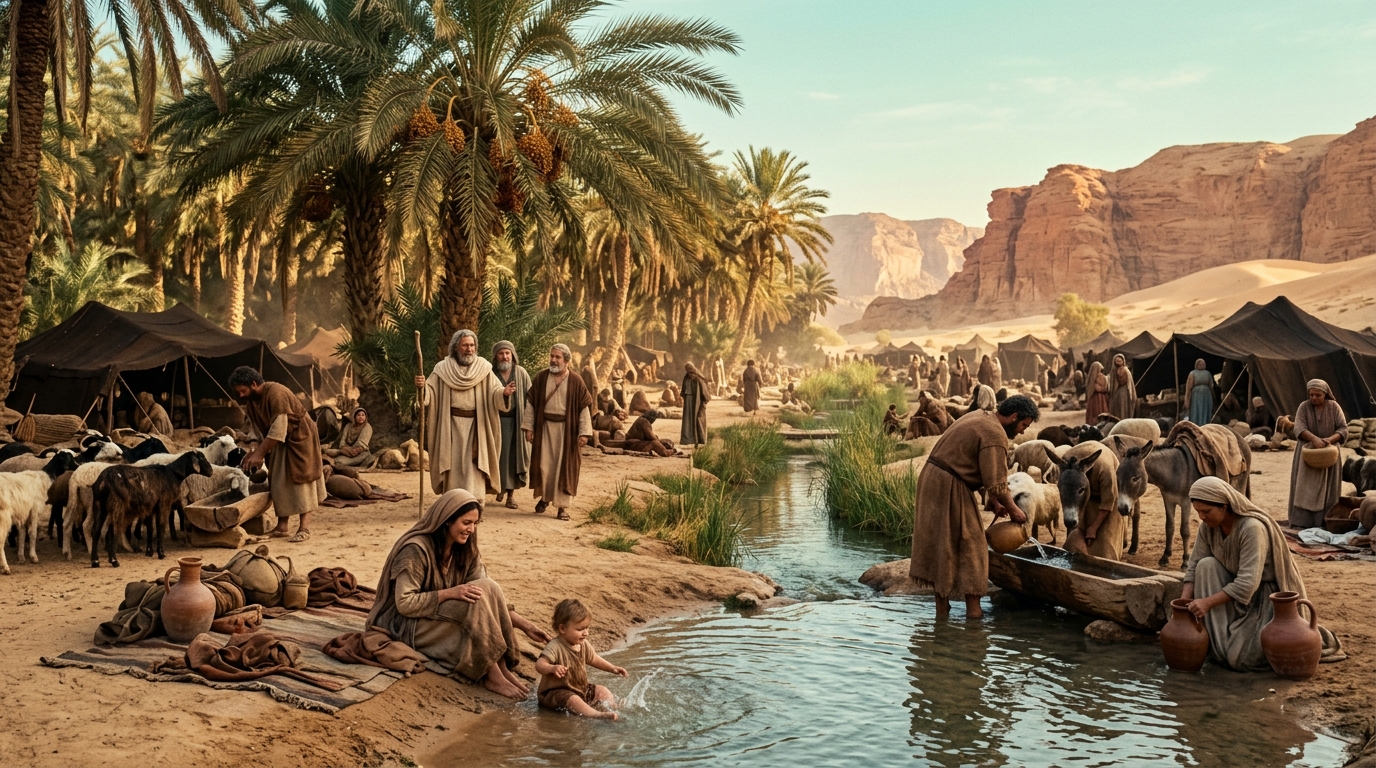
A vibrant open world relies heavily on its inhabitants. In this game, farmers and tradespeople could serve as key interactive non-playable characters (NPCs), each with unique stories and roles within the community. These characters could offer quests, trade goods, or provide insights into daily life, enhancing the player’s connection to the world.
For example, a farmer NPC might request help with a pest problem threatening their crops, leading to a quest that teaches players about ancient pest control methods. Tradespeople could offer rare items or seeds, encouraging players to explore and engage with the broader economy of the game world. Through these interactions, players gain a deeper understanding of the social and economic structures of Ancient Egypt.
Developing Quests and Challenges Centered on Agriculture
Quests in this game could revolve around the agricultural calendar, offering players a variety of challenges that reflect the realities of ancient farming life. Missions might include ensuring a successful harvest before the onset of the dry season or negotiating with neighboring settlements for water rights. These quests could be designed to highlight the importance of cooperation and resource management, key themes in both historical and biblical narratives.
Moreover, players could face moral decisions, such as choosing whether to prioritize their own community’s needs over neighboring ones during a drought. Such choices would not only impact the game’s narrative but also allow players to explore the ethical dimensions of leadership and survival in a harsh environment.
Conclusion: Enhancing Immersion Through Agricultural Authenticity
By weaving the intricate details of Ancient Egyptian agriculture into the fabric of a Moses-inspired video game, developers can create a world that feels both authentic and alive. The dynamic interplay of the Nile’s cycles, historical farming practices, and interactive NPCs offers a unique opportunity to deepen player engagement and enrich storytelling.
This approach shifts the focus from grand monuments to the everyday lives of people who depended on the river’s bounty. In doing so, it not only enhances immersion but also provides a fresh perspective on the ancient world, inviting players to experience the challenges and triumphs of life along the Nile.