Caravan of Counsel: The Role of Diverse Companions in Moses’ Journey
Explore how diverse companions enrich a Moses-themed game’s narrative and gameplay.
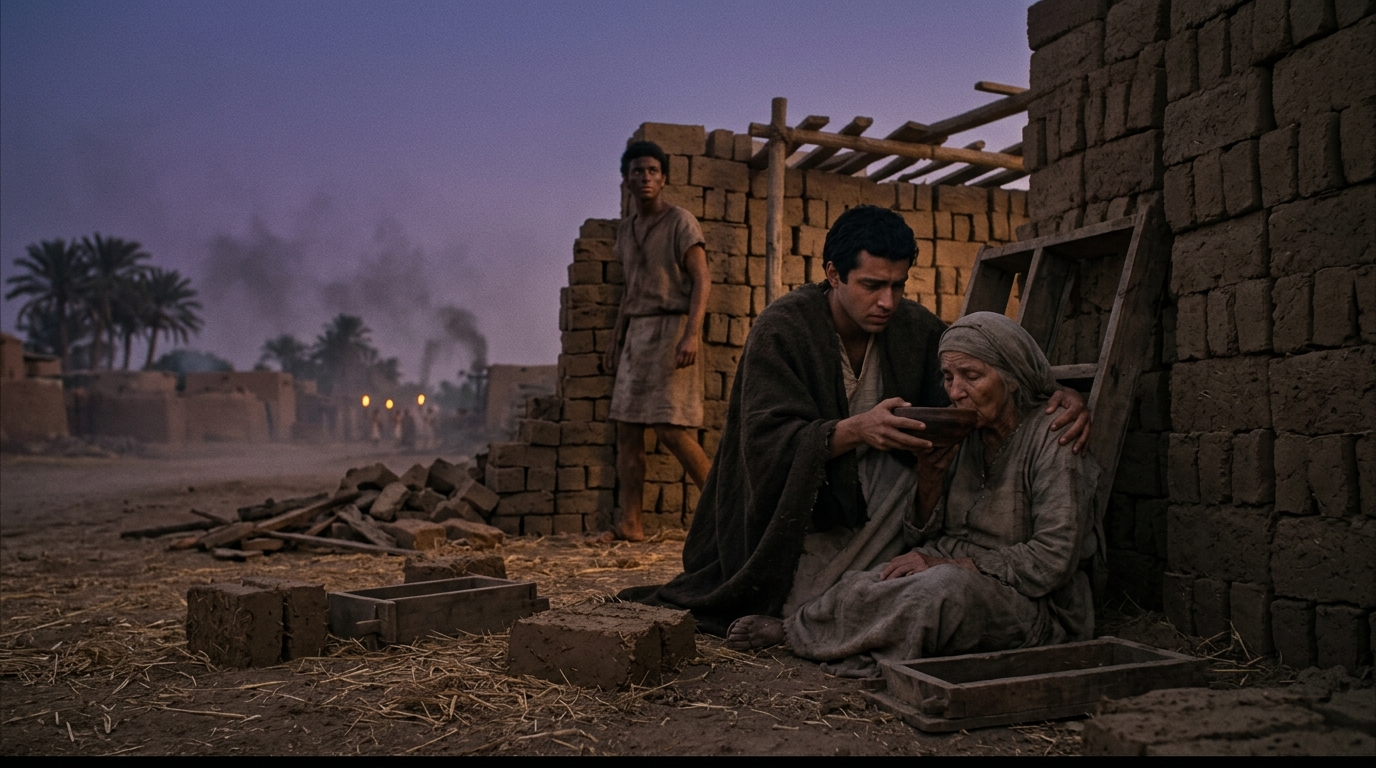
In the realm of story-driven games, companions serve as more than just allies; they are pivotal elements that shape the narrative and deepen player engagement. In a Moses-themed game, drawing from the rich tapestry of biblical and historical lore, a diverse cast of characters accompanying Moses could transform the journey from a solitary mission into a dynamic, multifaceted adventure.
Biblical and Historical Inspirations for Moses’ Companions
The biblical narrative of Moses provides a foundational framework for developing a compelling ensemble of characters. Figures such as Miriam, Aaron, and Zipporah are not mere footnotes in the Exodus story; they are integral to Moses’ leadership and the Israelites’ journey to freedom. Miriam, Moses’ sister, is depicted as a prophetess and a leader among women, while Aaron, his brother, serves as a spokesperson and high priest. Zipporah, Moses’ wife, offers a unique perspective as a Midianite, bridging cultural divides.
Beyond these well-known figures, the inclusion of lesser-known biblical characters or entirely fictional personas inspired by historical contexts could add layers of intrigue and authenticity. For instance, a character based on a Nubian ally or a Canaanite trader could introduce new cultural dynamics and conflicts, reflecting the historical interactions between different peoples of the ancient Near East.
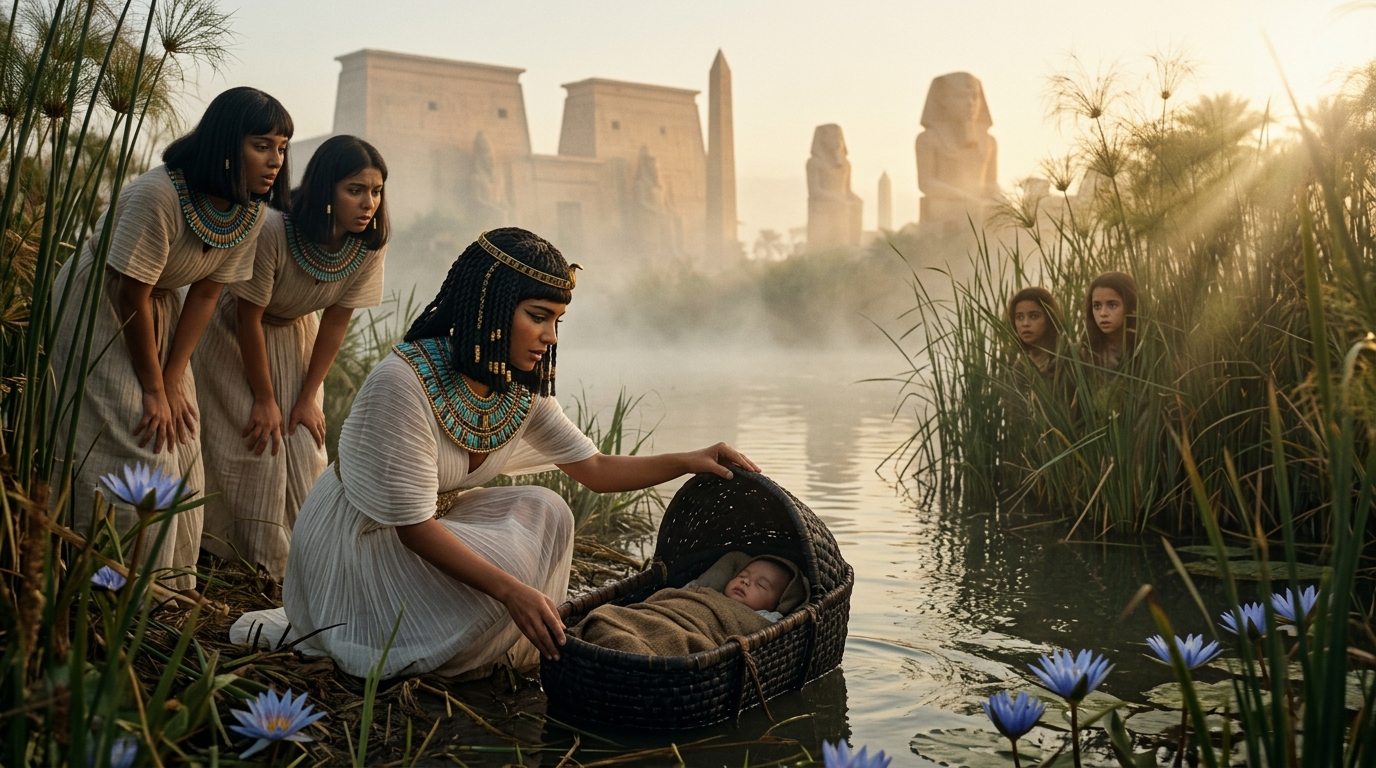
Crafting Distinctive Personalities and Roles for Key Characters
To create a rich narrative tapestry, each companion needs a distinctive personality and role. Miriam could be portrayed as a wise and sometimes stern figure, challenging Moses’ decisions and offering counsel that reflects her prophetic insight. Aaron might be depicted as a mediator, balancing his loyalty to Moses with his own leadership responsibilities.
Zipporah’s character could be developed to explore themes of cultural assimilation and identity, perhaps through quests that require her to navigate her dual heritage. New characters, such as a young Israelite eager to prove themselves or a skeptical Egyptian convert, could further diversify the group, each bringing unique skills and perspectives that affect the journey.
Dynamic Relationships and Their Impact on Gameplay
The relationships between Moses and his companions should not be static. Instead, they could evolve based on player decisions, creating a dynamic system where trust and camaraderie are constantly in flux. For example, a decision to prioritize a certain companion’s advice over another’s could strengthen one relationship while straining another, affecting group morale and the success of missions.
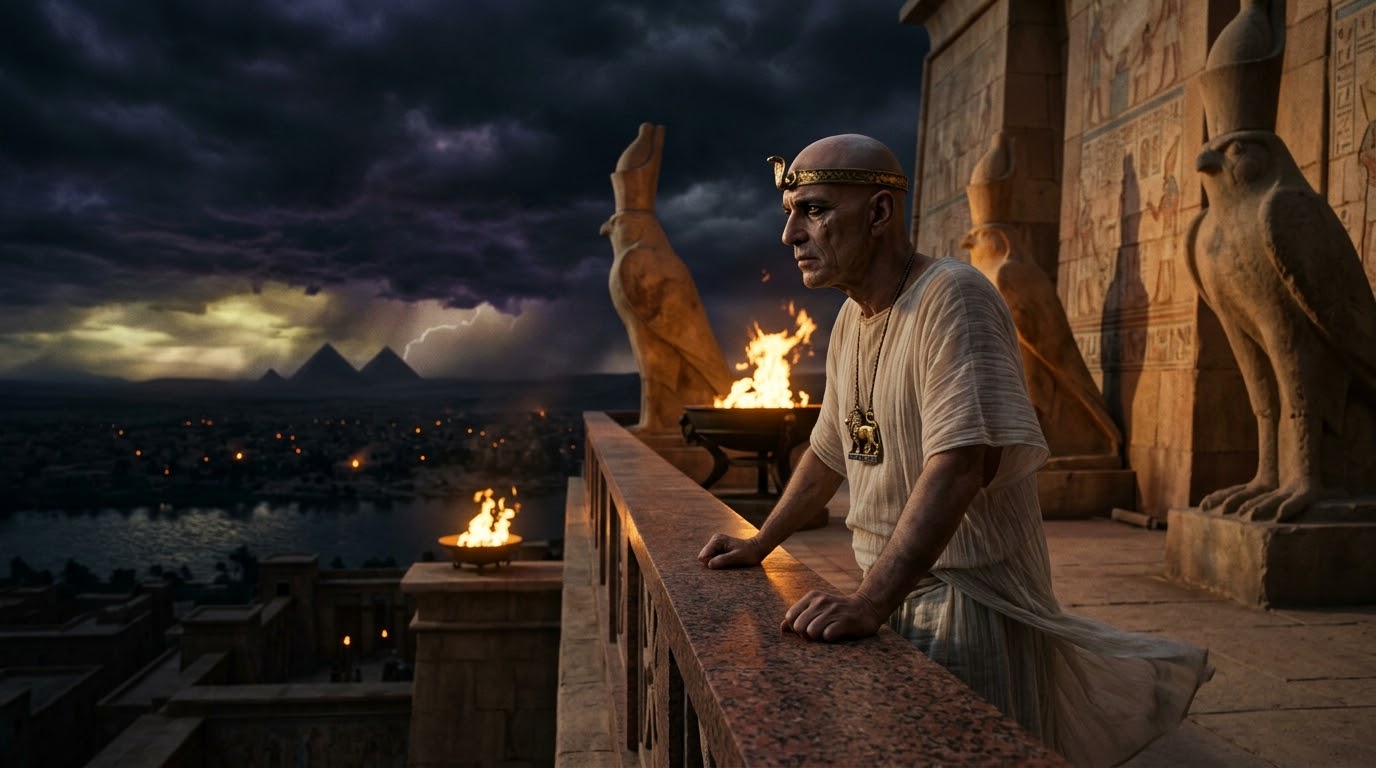
Such a system could be reminiscent of games like “Mass Effect” or “Dragon Age,” where player choices significantly impact the narrative and character relationships. This mechanic encourages players to consider their decisions carefully, knowing that each choice could have far-reaching consequences on the journey and its outcome.
Potential Conflicts and Resolutions within the Group
Conflict is an inevitable part of any group dynamic, and a Moses-themed game could use this to its advantage. Disagreements over strategy, religious interpretations, or personal grievances could lead to tension and require the player to mediate or choose sides. These conflicts could be resolved through dialogue options, quests that require collaboration, or pivotal story moments that test the group’s unity.
For instance, a disagreement between Aaron and Miriam over leadership roles could culminate in a mission where their cooperation is essential, forcing the player to address underlying issues. Such conflicts not only enrich the narrative but also provide opportunities for character development and deeper player involvement.
Conclusion: Enriching the Moses Game Experience Through Companions
Incorporating a diverse ensemble of companions into a Moses-themed game offers a wealth of opportunities to enhance both storytelling and gameplay. By crafting distinct personalities, dynamic relationships, and meaningful conflicts, developers can create a game that not only stays true to its biblical roots but also engages players in a profound exploration of leadership, faith, and community. The journey of Moses, with the support and challenges presented by his companions, can thus become a rich, interactive experience that resonates with players on multiple levels.