Navigating Moral Dilemmas: Designing Ethical Quests in a Moses Game
Explore ethical quest design in a Moses game, engaging players in moral decisions that shape the Exodus narrative and game world.

Introduction: The Role of Ethics in Story-Driven Games
Video games have long been a medium for storytelling, offering players the opportunity to engage with narratives in interactive and immersive ways. In recent years, the inclusion of ethical dilemmas in games has become a compelling feature, allowing players to make decisions that affect outcomes and character development. Games like The Witcher and Mass Effect have set a high standard for integrating moral choices into gameplay, creating rich and dynamic experiences. A game inspired by the biblical story of Moses and the Exodus offers a unique opportunity to explore ethical quest design, inviting players to delve into the moral complexities of this ancient narrative.
Historical Context: Moral Dilemmas in the Exodus Narrative
The Exodus narrative, as recounted in the Bible, is filled with moral and ethical challenges. From Moses’ initial reluctance to lead the Israelites out of Egypt to the people’s ongoing struggle with faith in the wilderness, the story is ripe with scenarios that can be translated into meaningful gameplay. Historically, the Exodus represents a significant moment of liberation and identity formation for the Israelites, but it also raises questions about leadership, justice, and faith.
For instance, Moses’ interactions with Pharaoh present a classic moral quandary: how far should one go in the pursuit of freedom? The plagues that afflict Egypt can be seen as divine interventions with profound ethical implications, challenging players to consider the cost of liberation. Additionally, the Israelites’ treatment of outsiders and their internal disputes during their journey offer further opportunities for ethical exploration.
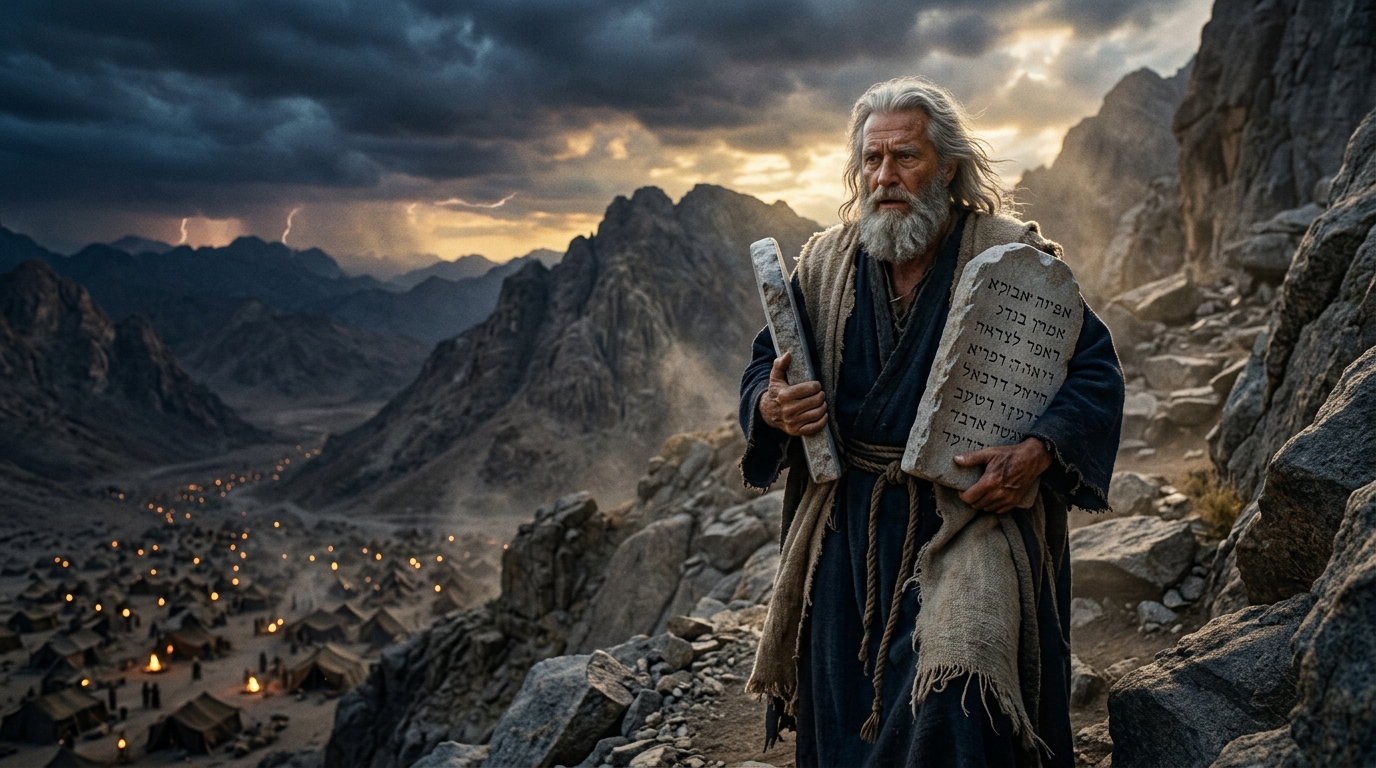
Designing Ethical Quests: Mechanics and Player Agency
Incorporating ethical dilemmas into a Moses game requires a thoughtful approach to quest design. The key is to provide players with meaningful choices that not only influence the immediate storyline but also have lasting effects on the game world. This can be achieved through branching narratives, where decisions lead to different outcomes, and through systems that track player morality, influencing how characters and factions respond to the player’s actions.
For example, a quest might involve Moses mediating a conflict between two tribes of Israelites. The player could choose to side with one tribe, attempt a compromise, or even decide to walk away, each choice leading to different consequences. Such mechanics encourage players to weigh their decisions carefully, considering both the immediate and long-term impacts on their journey.
Potential Scenarios: Biblical and Creative Inspirations
Drawing from the rich tapestry of the Exodus story, game designers can craft a variety of quests that challenge players ethically. One potential scenario could involve the Israelites’ initial reaction to Moses’ return to Egypt. Players might face a quest where they must persuade a skeptical community to trust in Moses’ leadership and the promise of deliverance, navigating doubts and fears to unify the group.

Another quest could revolve around the collection of manna in the wilderness. Players might have to decide how to distribute resources fairly among the people, potentially facing scenarios of scarcity or abundance that test their judgment and leadership. Creative liberties can also be taken by introducing fictional characters or events that complement the biblical narrative, enriching the game’s world and providing fresh ethical challenges.
Impact on Gameplay: Consequences and Worldbuilding
The integration of ethical dilemmas into a Moses game has the potential to deeply affect gameplay and worldbuilding. Player choices can lead to varied narrative paths, altering alliances, and shaping the world in significant ways. For instance, a decision to show mercy to an Egyptian pursuing the Israelites might result in an unexpected ally later in the game, while a harsher choice could lead to increased hostility.
Such dynamic storytelling not only enhances replayability but also immerses players in a world where their actions carry weight. By experiencing the consequences of their decisions, players are encouraged to reflect on the moral and ethical dimensions of leadership and community, themes central to the Exodus story.
In conclusion, designing a Moses game with a focus on ethical quests offers a unique opportunity to engage players with the profound moral questions of the Exodus narrative. By allowing players to navigate these dilemmas, the game can provide a rich, thought-provoking experience that resonates with the timeless themes of faith, freedom, and responsibility.