Echoes of the Exodus: Discovering Stories in Forgotten Campsites
Explore how abandoned campsites along the Exodus route enrich game narratives with hidden stories and insights.
Introduction: Setting the Scene of the Exodus
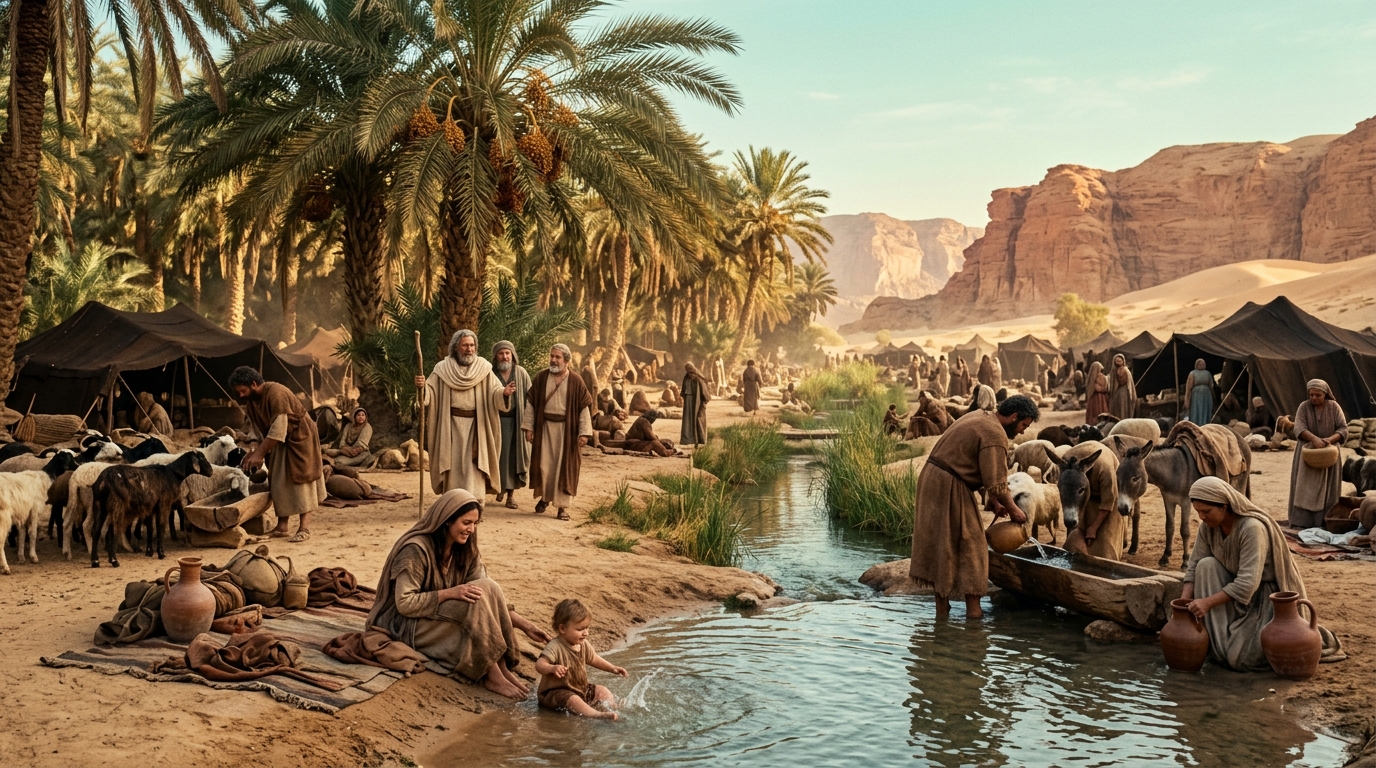
The Exodus is one of the most dramatic and enduring stories from the biblical narrative, chronicling the journey of the Israelites from bondage in Egypt to their quest for freedom in the Promised Land. This epic tale is rich with potential for a video game adaptation, offering a tapestry of adventure, faith, and human resilience. But beyond the well-known miracles and confrontations with pharaohs, there lies a subtler, more intimate story waiting to be told: the day-to-day lives of the Israelites as they journeyed through the wilderness. By focusing on environmental storytelling through abandoned campsites along their route, game developers can create a deeply immersive experience that invites players to explore the world and uncover hidden narratives.
Historical and Biblical Context: The Journey of the Israelites
The biblical account of the Exodus describes a 40-year journey through the desert, filled with trials and divine interventions. While the exact historical and geographical details of this journey remain subjects of debate, the narrative provides a framework for exploring the Israelites’ experiences. Archaeological studies and biblical texts suggest various routes and locations where the Israelites might have camped, offering fertile ground for imaginative game design.
These campsites, whether historically verified or creatively envisioned, serve as potential hotspots for storytelling. By drawing on historical and biblical sources, developers can craft environments that reflect the struggles, hopes, and daily lives of the Israelites. This not only enriches the game’s narrative but also offers players a window into the cultural and spiritual milieu of the time.
Designing Environmental Storytelling: From Campsites to Clues
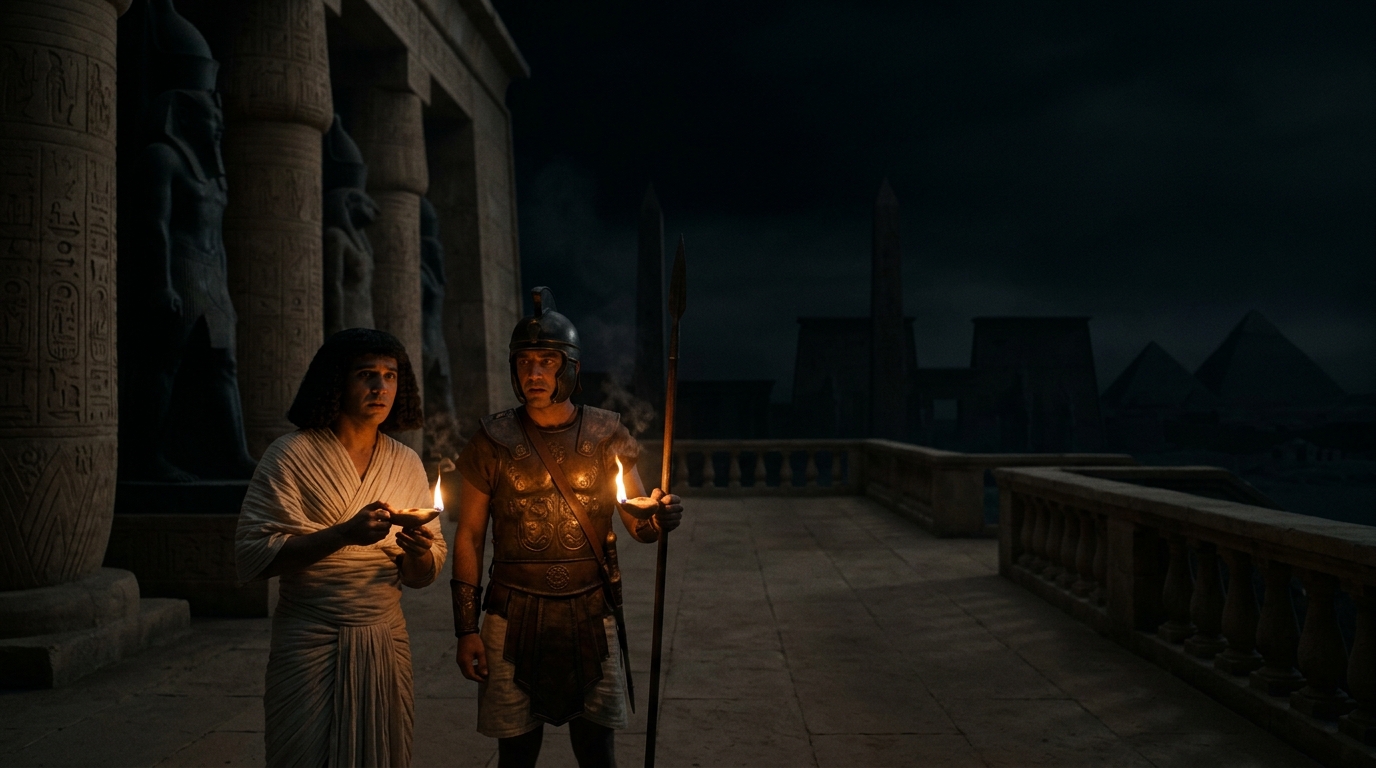
Environmental storytelling is a powerful tool in game design, allowing players to piece together narratives through exploration and interaction with the game world. Abandoned campsites along the Exodus route provide an ideal canvas for this approach. These sites can be populated with remnants of past occupations—tools, pottery shards, fire pits, and personal belongings—that tell stories of their former inhabitants.
Imagine a player stumbling upon a weathered scroll tucked away in a forgotten tent, revealing a prayer or a personal account of the journey. Or perhaps they discover a child’s toy, hinting at the presence and perspectives of younger travelers. These elements can be woven into the environment subtly, encouraging players to explore and engage with the world around them to uncover these stories.
Uncovering Hidden Narratives: The Stories Left Behind
The remnants found at these campsites can tell a variety of stories, each adding depth to the overarching narrative of the Exodus. Players might encounter evidence of internal conflicts, moments of celebration, or signs of despair. A broken idol could hint at struggles with faith, while a communal cooking area might suggest moments of unity and shared culture.
These environmental clues allow players to construct their own understanding of the Israelites’ journey, piecing together a mosaic of human experience that complements the biblical epic. This approach not only enriches the player’s experience but also fosters a deeper connection to the characters and their world.
Integrating Discovery Mechanics: Enhancing Player Engagement
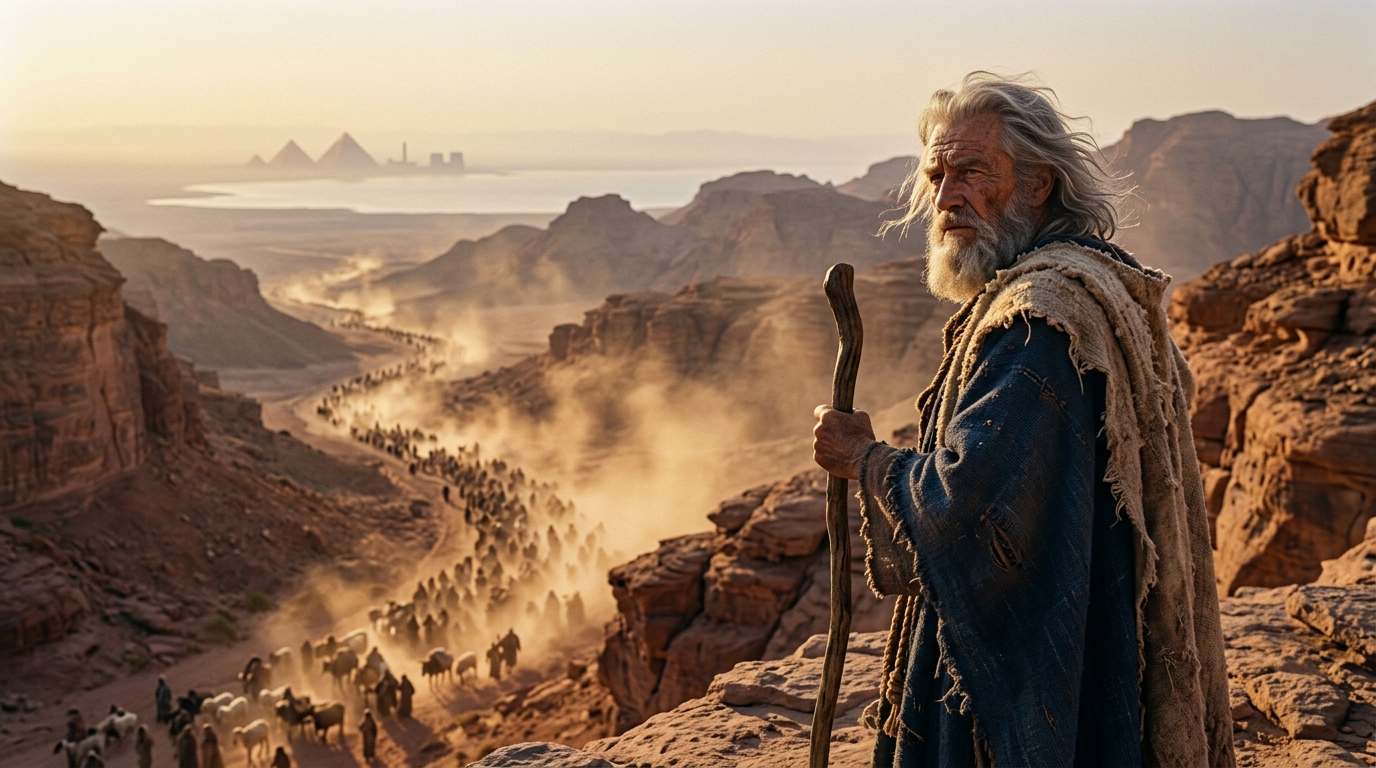
To maximize player engagement, the game can incorporate mechanics that reward exploration and discovery. Players might earn experience points or unlock special abilities by uncovering hidden stories at these campsites. Alternatively, these discoveries could unlock new dialogue options or influence the game’s narrative, allowing players to shape their journey based on the lore they uncover.
By integrating these mechanics, developers can create a sense of agency and investment in the game world. Players are not just passive observers but active participants in the unfolding story, with their discoveries influencing their understanding and experience of the Exodus.
Conclusion: The Impact of Lore-Focused Exploration
Environmental storytelling through abandoned campsites offers a unique opportunity to enrich the narrative of a video game inspired by the Exodus. By focusing on the subtle, human stories left behind by the Israelites, developers can create a world that is both immersive and meaningful. These discoveries provide context and depth to the biblical epic, inviting players to engage with the game on a deeper level.
In exploring these forgotten campsites, players not only gain insights into the cultural and spiritual context of the Exodus but also form a personal connection with the stories of struggle, resilience, and hope that define this timeless journey. This approach ensures that the game is not just an adaptation of a well-known story but a living, breathing world filled with secrets waiting to be discovered.