Echoes of the Nile: Crafting Vibrant Agricultural Life in an Ancient Egyptian Game World
Explore how a Moses game can detail Ancient Egyptian agriculture, revealing the Nile’s role through immersive world-building and interactivity.
Introduction: The Role of Agriculture in Ancient Egypt
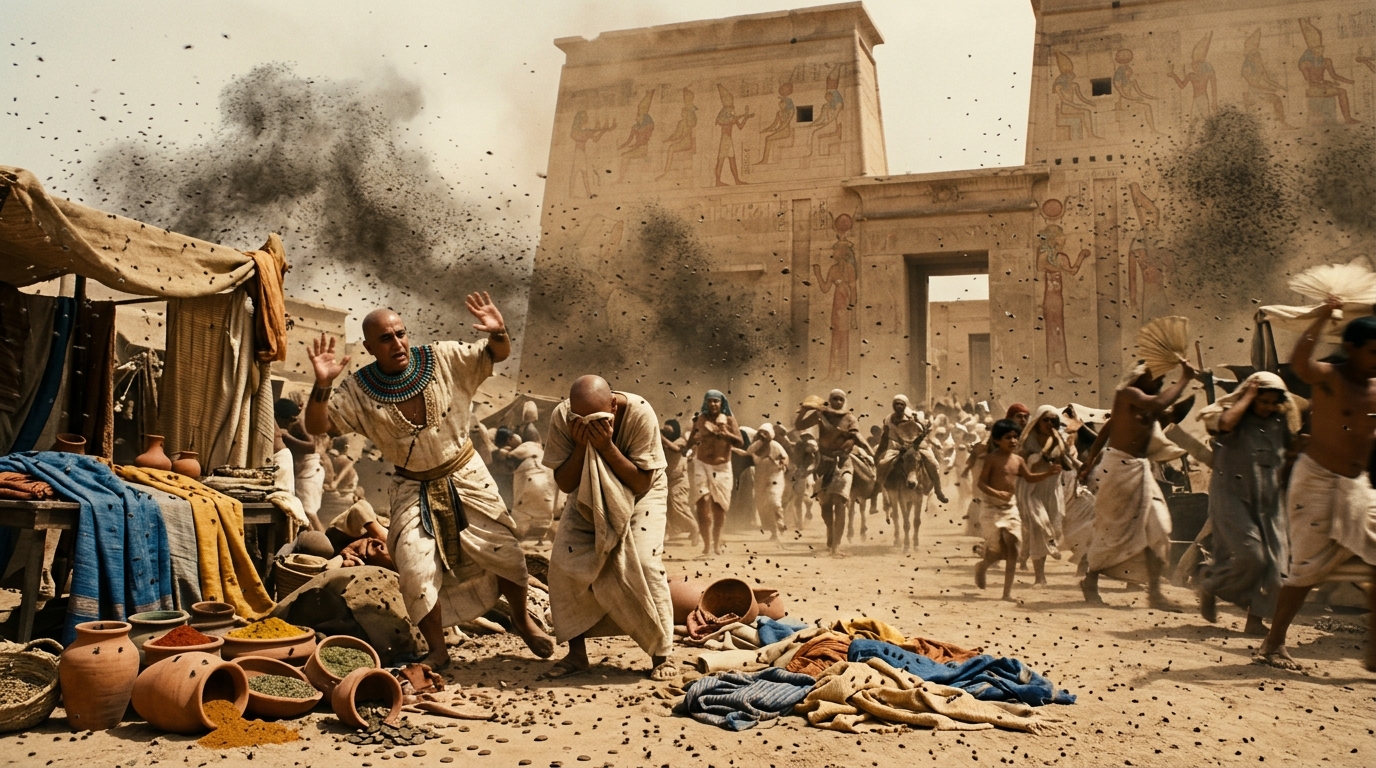
In the realm of video game design, creating a compelling and immersive world involves more than just dramatic landscapes and epic narratives. For a game inspired by the story of Moses, set against the backdrop of Ancient Egypt, capturing the essence of agricultural life along the Nile is crucial. This approach not only enriches the storyline but also provides players with a deeper understanding of the societal and environmental dynamics that shaped everyday life in this ancient civilization.
The Nile’s Life-Giving Waters: Seasonal Floods and Farming
The Nile River was the lifeblood of Ancient Egypt, its annual floods transforming the arid landscape into a fertile crescent. This natural phenomenon was central to Egyptian agriculture, dictating the rhythms of planting and harvest. In a game setting, this cyclical flooding can be a dynamic mechanic that influences gameplay, requiring players to adapt their strategies to the river’s ebb and flow.
By simulating the Nile’s flood cycles, players could manage resources, plan crop rotations, and engage in irrigation projects. This layer of environmental interaction not only provides a realistic depiction of Egyptian agriculture but also challenges players to think critically about sustainability and resource management, mirroring the ancient Egyptians’ reliance on and respect for the river.
Interactive Mechanics: Bringing Ancient Agriculture to Life
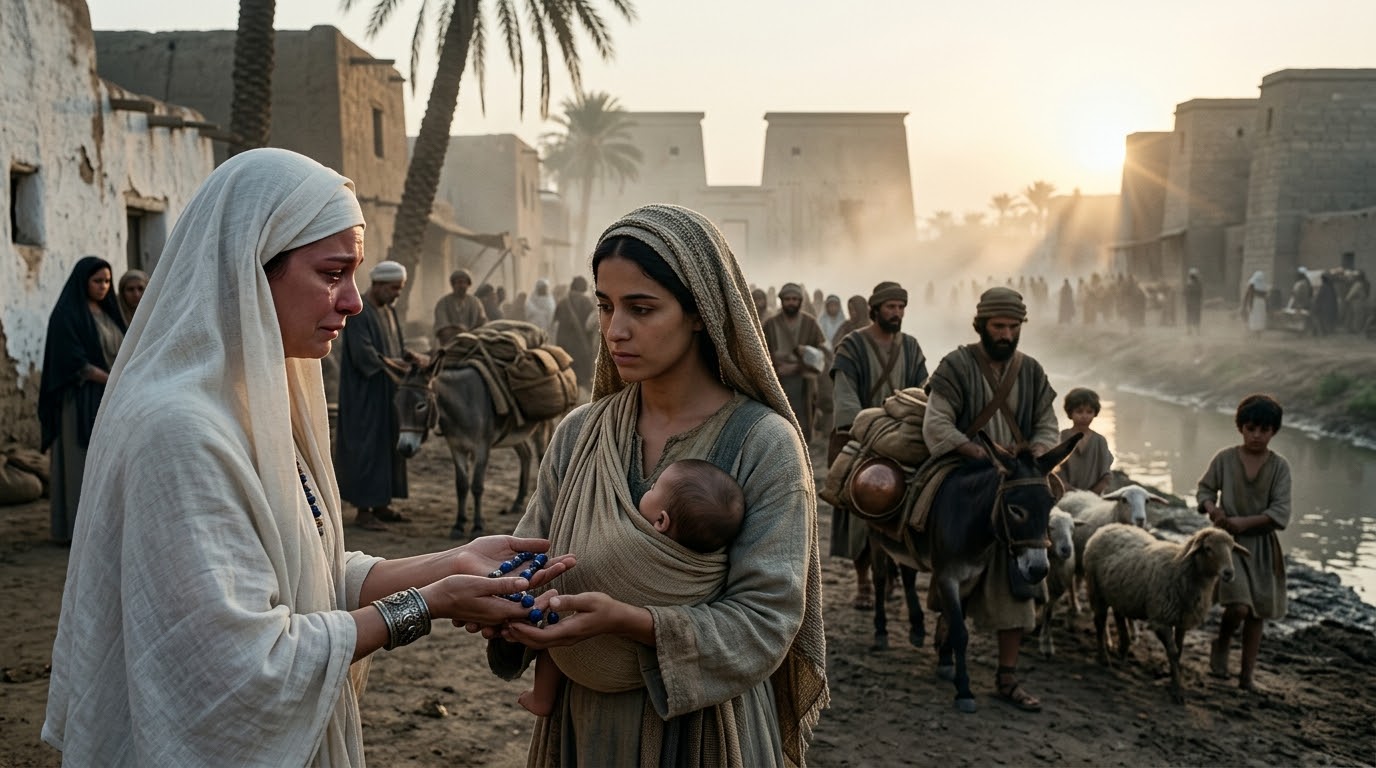
To authentically depict Ancient Egyptian agriculture, a game could employ interactive elements that simulate the agricultural cycle. Players might engage in tasks such as planting seeds, tending to crops, and harvesting produce. These activities could be tied to mini-games or time-based events, reflecting the labor-intensive nature of farming.
Additionally, incorporating challenges such as pest infestations, droughts, or the need for crop diversification would add depth to the gameplay. These elements encourage players to experiment with different agricultural techniques and strategies, fostering a deeper connection to the land and its bounty.
Social Dynamics: Farmers, Scribes, and Community Life
A thriving agricultural system in the game world offers opportunities to explore the social dynamics of Ancient Egypt. Players could interact with various societal roles, such as farmers, scribes, and overseers. These characters can provide quests, share knowledge, or present moral dilemmas related to resource distribution and social justice.
For example, scribes might task players with recording harvest yields or managing storehouses, offering a glimpse into the administrative side of agriculture. Meanwhile, interactions with farmers could highlight the communal aspects of rural life, such as shared labor and local festivals celebrating the harvest.
Environmental Storytelling: Weaving Agriculture into the World Narrative
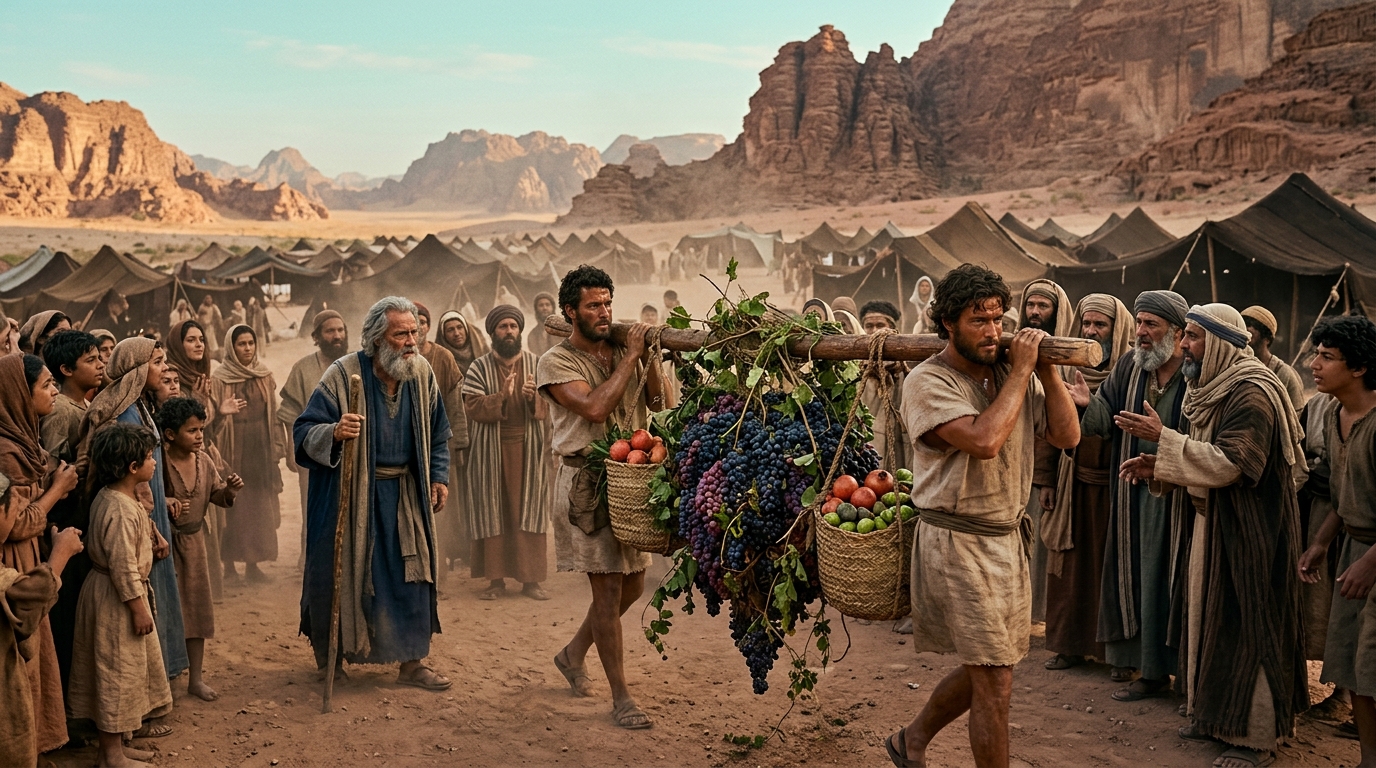
Environmental storytelling can seamlessly integrate agricultural elements into the broader narrative of the game. By designing lush fields, bustling marketplaces, and serene riverbanks, the game world can reflect the agricultural abundance that sustained Ancient Egyptian society. Players could discover hidden stories within these environments, such as ancient farming tools, inscriptions detailing crop cycles, or murals depicting harvest celebrations.
Such storytelling techniques can also emphasize the spiritual and cultural significance of agriculture. The Nile’s bounty was often attributed to divine favor, and players might encounter temples or rituals dedicated to deities associated with fertility and harvest, adding layers of meaning to their interactions with the land.
Conclusion: The Player’s Role in an Agricultural Society
By focusing on the agricultural life of Ancient Egypt, a Moses-inspired game can create a living world where players engage directly with the environment and its inhabitants. This approach offers a unique perspective on the biblical narrative, grounding the story of Moses in a detailed and believable world.
Through active participation in the agricultural cycle and interaction with the community, players can experience the intricacies of a society deeply intertwined with the land. This not only enhances the authenticity of the game world but also invites players to reflect on the enduring relationship between humans and the natural world.