Architects of Survival: The Supply Chains and Strategies Behind the Exodus
Explore the logistics of the Exodus and how they could enhance gameplay in a Moses-themed strategy game.
Understanding the Scale of the Exodus
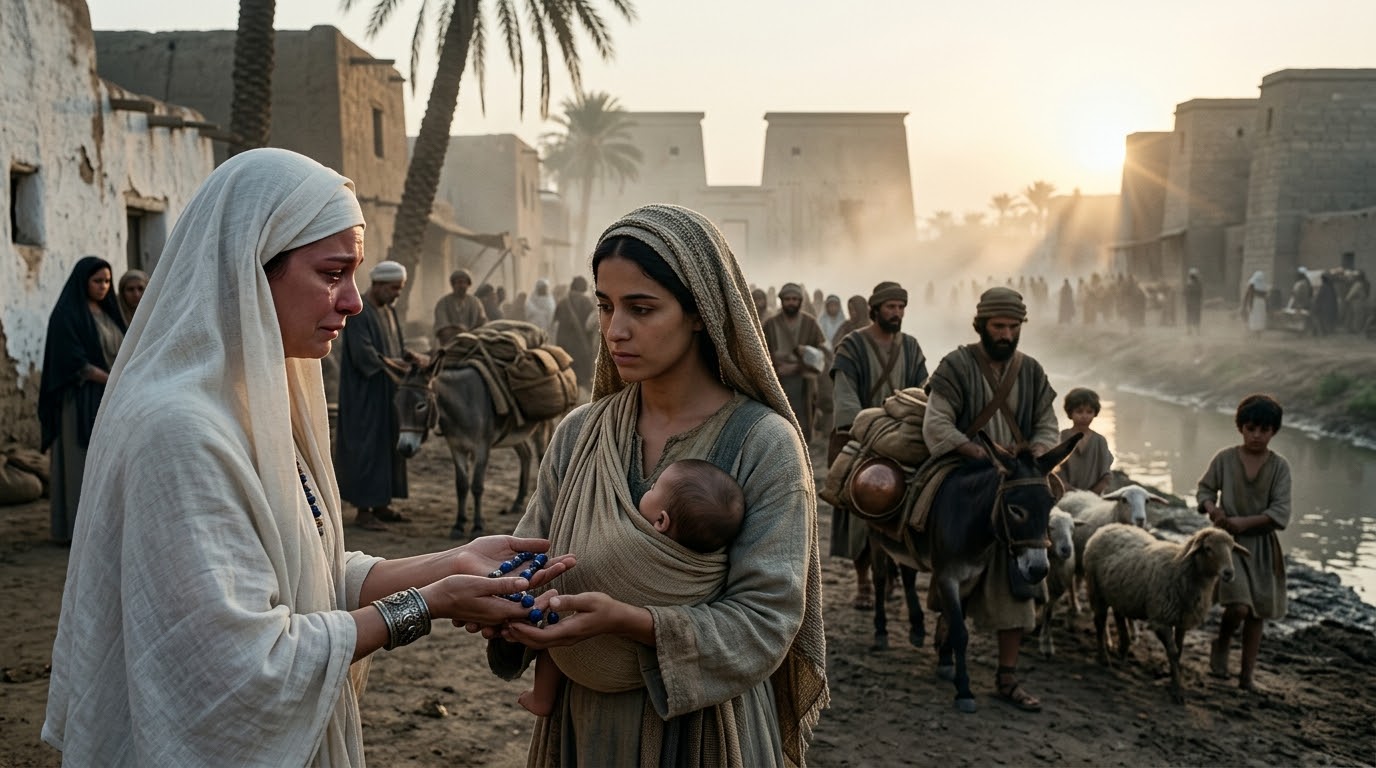
The biblical narrative of the Exodus tells the story of Moses leading the Israelites out of Egypt, a journey that spanned decades and involved the movement of a large population through the harsh desert landscape. While the miraculous events, such as the parting of the Red Sea, often capture the imagination, there is a rich layer of logistical complexity beneath these stories that offers a unique opportunity for game developers. By focusing on the survival strategies and supply chain challenges faced by Moses and his people, a video game can provide an immersive experience that emphasizes strategic planning and resource management.
Historical and Biblical Context of Survival Logistics
The Exodus, as described in biblical texts, involved guiding a vast number of people through a wilderness with limited resources. The Book of Exodus provides some insights into the survival strategies employed, such as the gathering of manna and the striking of a rock to produce water. However, these accounts are often sparse on specifics, leaving much to interpretation. Historically, scholars debate the exact size of the group and the route taken, but it is clear that the logistical demands would have been immense.
Beyond the biblical record, we can infer the challenges faced by considering the basic needs of any large group in a hostile environment: food, water, shelter, and security. The Israelites would have needed to establish temporary settlements, manage waste, and ensure the safety of their community from external threats. These elements, while not always detailed in texts, are critical to understanding the full scope of the journey.

Integrating Supply Chain Mechanics into Gameplay
To create a compelling Moses-themed game, developers could integrate dynamic supply chain management systems that require players to plan and execute strategies for sustaining their people. This could involve managing resources like food and water, establishing supply lines, and adapting to environmental challenges.
- Resource Gathering: Players could engage in activities such as foraging, hunting, and trading with nomadic tribes to secure essential supplies.
- Settlement Management: As the Israelites move, players might need to decide where to establish camps, balancing the need for rest with the risks of staying too long in one place.
- Environmental Challenges: Dynamic weather systems and terrain could impact resource availability, forcing players to adapt their strategies continually.
These mechanics would not only highlight the survival aspect of the Exodus but also encourage players to think strategically about the welfare of their people.
Balancing Realism and Engagement in Game Design
One of the key challenges in developing a game based on the Exodus is balancing historical realism with engaging gameplay. While it is important to respect the source material, a game must also be fun and accessible.
To achieve this balance, developers might consider:
- Scalable Difficulty: Offering multiple difficulty levels could allow players to choose how deeply they want to engage with the logistical challenges.
- Narrative Integration: Story elements could be woven into gameplay, with characters providing guidance or presenting moral dilemmas that impact the group’s survival.
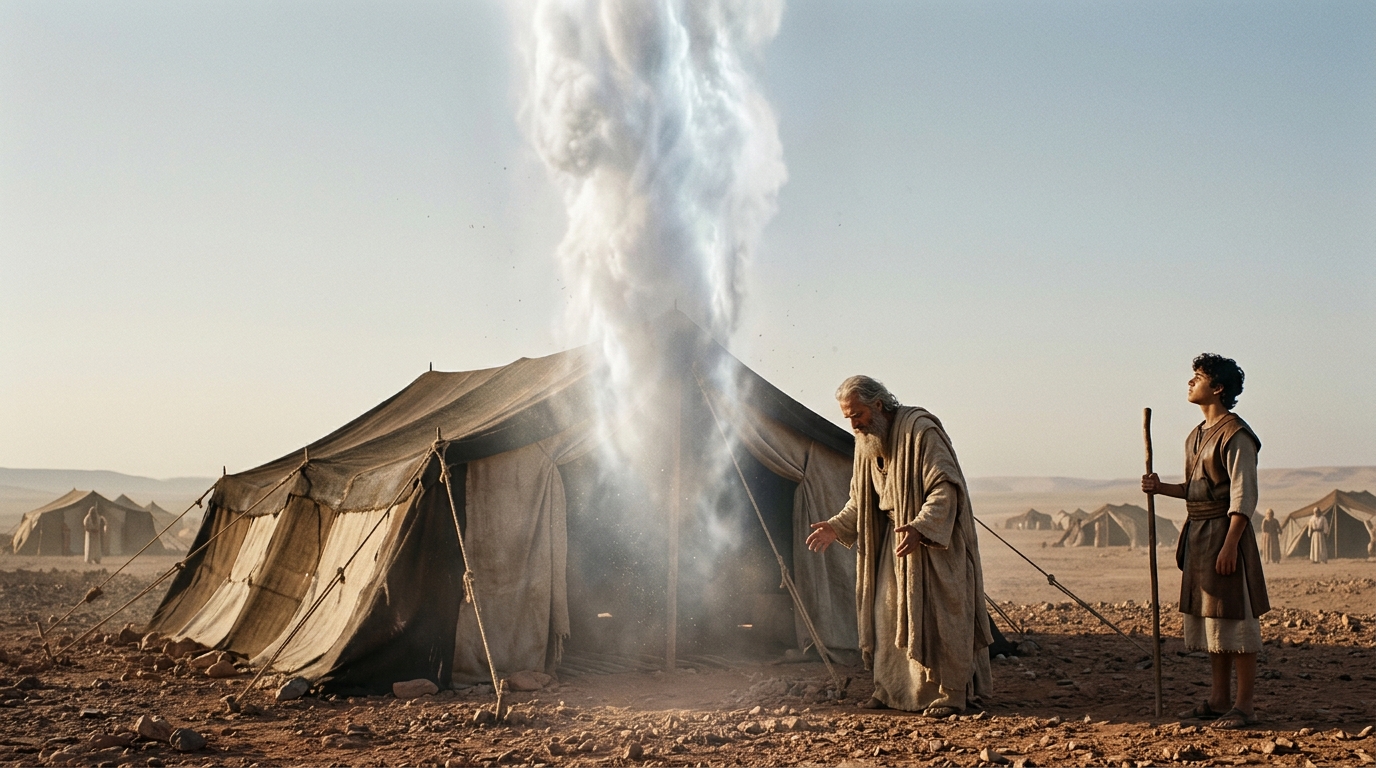
- Visual and Audio Design: Creating an immersive atmosphere through detailed landscapes and evocative soundscapes could enhance the emotional impact of the journey.
By carefully integrating these elements, the game can offer a deep, strategic experience that remains true to the spirit of the Exodus while providing modern players with an engaging challenge.
Conclusion: Enhancing Immersion Through Strategic Depth
The Exodus is a story of faith, perseverance, and survival against overwhelming odds. By focusing on the logistical and strategic challenges faced by Moses and the Israelites, a video game can offer a fresh perspective on this ancient narrative. Through dynamic supply chain mechanics and strategic gameplay, players can experience the complexity and difficulty of leading a people through the wilderness, enhancing their understanding of the historical and biblical context.
This approach not only pays homage to the original story but also provides a rich, immersive experience that challenges players to think critically about resource management and survival. In doing so, it opens up new possibilities for storytelling and gameplay in historical and religious settings.