Beyond the Staff: The Symbolism of Moses’ Rod in Storytelling and Gameplay
Explore the symbolism of Moses’ rod and its impact on storytelling and gameplay in a Moses-themed video game.
Introduction: The Historical and Biblical Context of Moses’ Rod
The story of Moses is one of the most enduring narratives in history, resonating through both religious texts and cultural lore. Central to this story is the enigmatic figure of Moses, who led the Israelites out of Egypt and through the desert. One of the most iconic elements associated with Moses is his rod, a seemingly simple staff that becomes a symbol of divine power and leadership throughout the biblical narrative. In the context of a video game, Moses’ rod offers a rich tapestry of symbolism and potential mechanics that can deepen the player’s experience and engagement.
Symbolic Interpretations of the Rod: Power, Leadership, and Faith
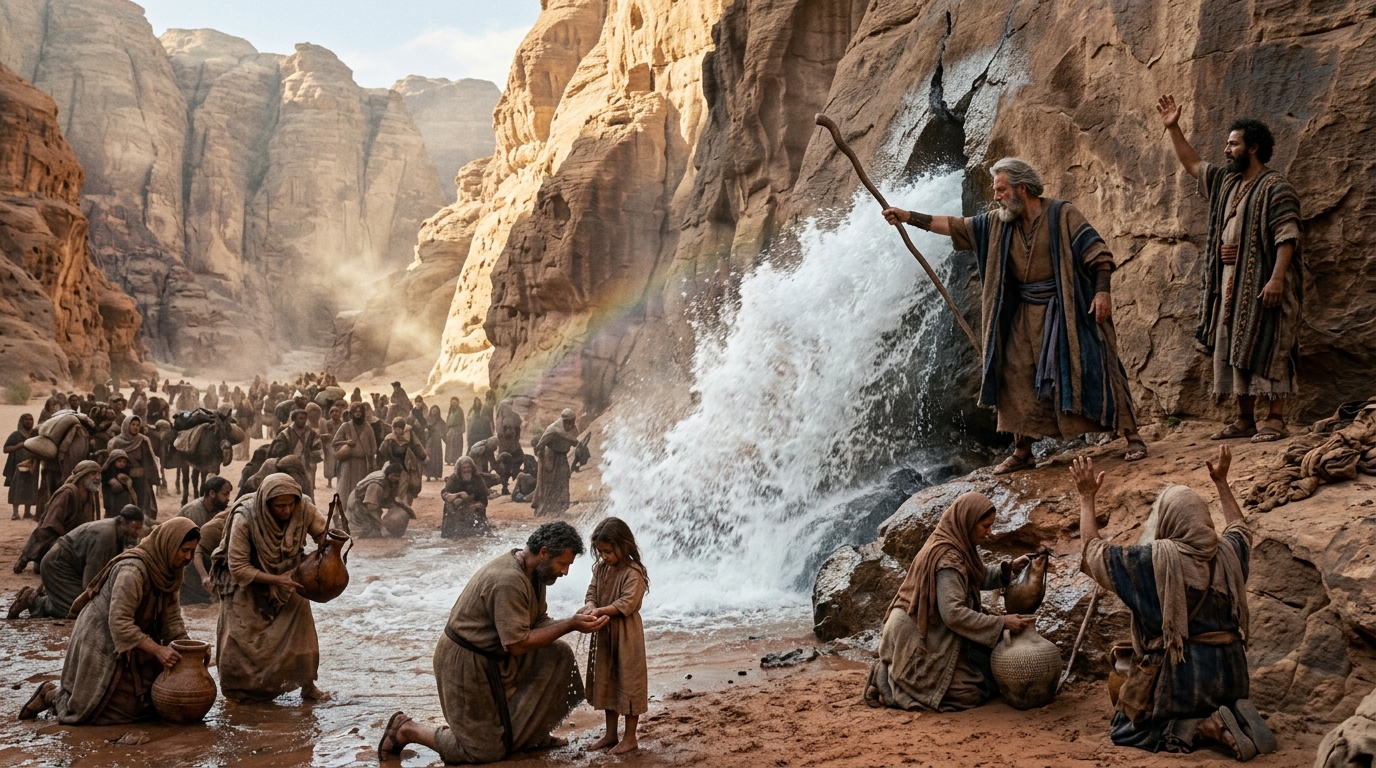
Moses’ rod is first introduced in the Book of Exodus, where it is used to perform miracles, such as turning into a serpent before Pharaoh and parting the Red Sea. These acts are not merely demonstrations of power; they are imbued with deep symbolic meaning. Traditionally, the rod represents divine authority, a tangible sign of God’s support for Moses’ mission. It also symbolizes leadership, as Moses uses it to guide and protect his people.
Beyond its immediate biblical context, the rod can be seen as a metaphor for faith and perseverance. In various interpretations, it embodies the idea that with divine support, even the most insurmountable obstacles can be overcome. This symbolism can be a profound narrative tool in a video game, allowing players to explore themes of trust, responsibility, and the burden of leadership.
Integrating Moses’ Rod into Game Mechanics: Possibilities and Challenges
Incorporating Moses’ rod into game mechanics offers exciting possibilities for both gameplay and storytelling. One potential approach is to use the rod as a multi-functional tool that evolves with the player’s journey. For instance, early in the game, the rod might simply serve as a walking stick or a basic weapon. As the story progresses, it could gain new abilities, reflecting Moses’ growing faith and leadership qualities.
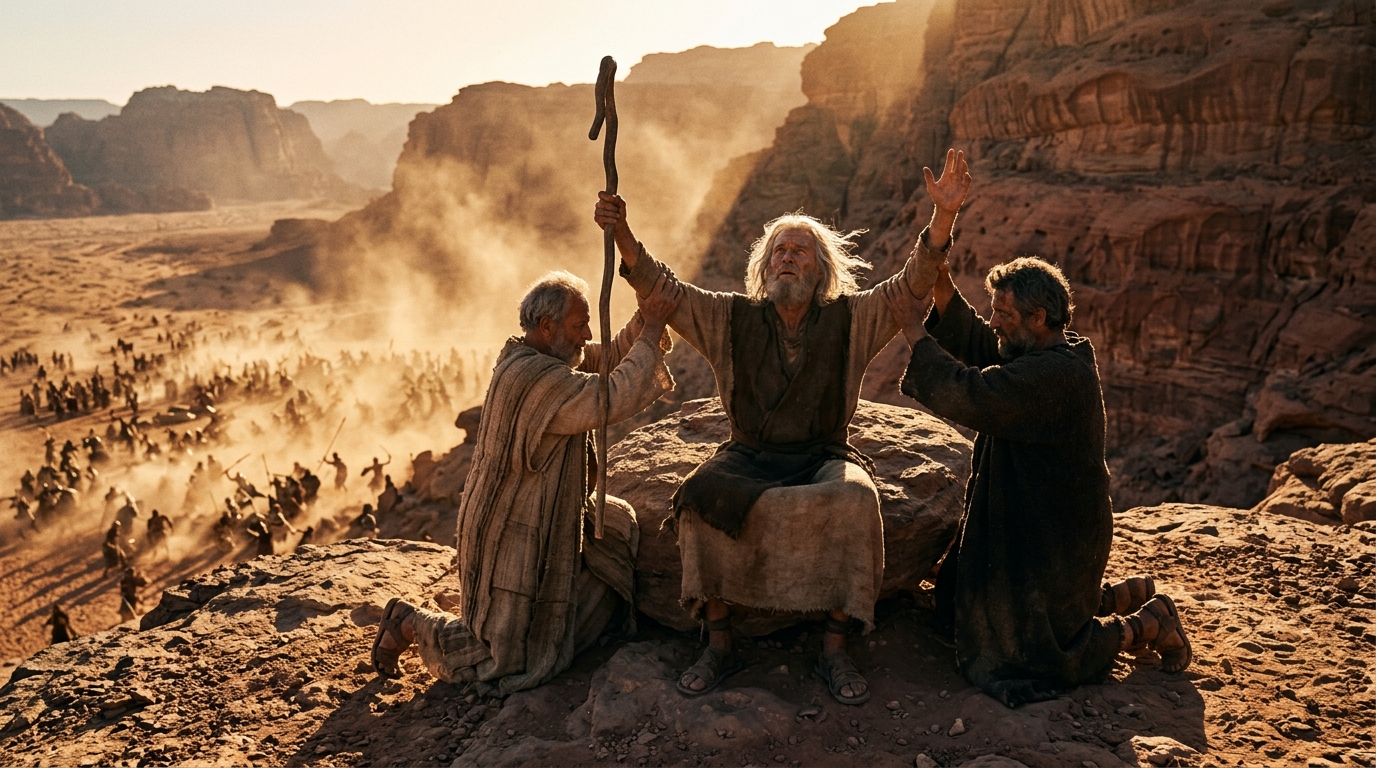
The rod could also be integrated into puzzle-solving mechanics. Imagine a scenario where players use the rod to interact with the environment, such as parting waters, moving obstacles, or activating ancient mechanisms. These elements could be designed to require strategic thinking and reflect the player’s understanding of Moses’ role as a leader and prophet.
However, balancing the rod’s symbolic significance with gameplay can be challenging. Overemphasizing its power might detract from the narrative’s focus on Moses’ personal growth and the Israelites’ journey. Game designers must carefully consider how to maintain this balance, ensuring that the rod enhances rather than overshadows the core story.

Narrative Opportunities: Using the Rod to Deepen Character Development
Moses’ rod offers unique opportunities to enrich character development within the game. As a narrative device, the rod can serve as a reflection of Moses’ internal struggles and triumphs. For example, the rod’s abilities might be tied to Moses’ emotional state or his relationship with God and his people. This could manifest in gameplay through moments where the rod’s power wanes or becomes unpredictable, prompting players to engage with the narrative to restore its strength.
Furthermore, the rod could be used to highlight key moments in Moses’ life, such as his initial reluctance to lead, his growing confidence, and his eventual acceptance of his role. These narrative beats can be woven into gameplay, offering players a deeper connection to Moses’ journey and the broader themes of leadership and faith.
Conclusion: Balancing Symbolism and Gameplay for an Immersive Experience
The story of Moses and his rod is a compelling narrative that offers rich possibilities for a video game. By thoughtfully integrating the rod’s symbolism into gameplay mechanics and narrative arcs, developers can create an immersive experience that resonates with players on multiple levels. The challenge lies in balancing the rod’s symbolic weight with engaging gameplay, ensuring that it enhances the story without overwhelming it.
Ultimately, a game centered around Moses’ life and his iconic rod can offer players a unique opportunity to explore timeless themes of faith, leadership, and perseverance. By reimagining this ancient story through the lens of interactive storytelling, developers can craft a game that not only entertains but also inspires and enlightens.