Hidden Communities: Unearthing the Nomads of Moses’ Wilderness
Explore the hidden nomadic tribes in Moses’ wilderness years and their potential to enrich a video game narrative.

The Unknown Nomads of the Wilderness
In the vast tapestry of the biblical Exodus narrative, the years Moses spent leading the Israelites through the wilderness are often depicted as a solitary journey of faith and survival. However, beneath the surface lies a rich and largely unexplored layer of history involving the nomadic tribes and hidden communities that populated the region. These groups were more than just background figures; they played critical roles in shaping the cultural and social dynamics of the time. For game designers and history enthusiasts, integrating these communities into a video game offers an opportunity to create a more immersive and nuanced storytelling experience that goes beyond the familiar tales of miracles and commandments.
Historical Context: Evidence of Nomadic Tribes in Moses’ Era
The historical record of nomadic tribes during the time of Moses is a complex tapestry woven from biblical texts, archaeological findings, and scholarly interpretations. The Bible mentions encounters with various tribes such as the Amalekites, Midianites, and Moabites, each with its own distinct culture and societal structures. While archaeological evidence about these groups is limited, it provides intriguing insights into their lifestyles and interactions.
Nomadic tribes of the ancient Near East were often pastoralists, moving with their herds across vast expanses to find fresh pastures. These communities were adept at surviving in harsh environments, with social structures that emphasized kinship and communal cooperation. While the Bible provides a narrative framework, archaeological evidence, such as pottery shards and settlement remains, offers a glimpse into their daily lives, trade practices, and potential conflicts with settled peoples.
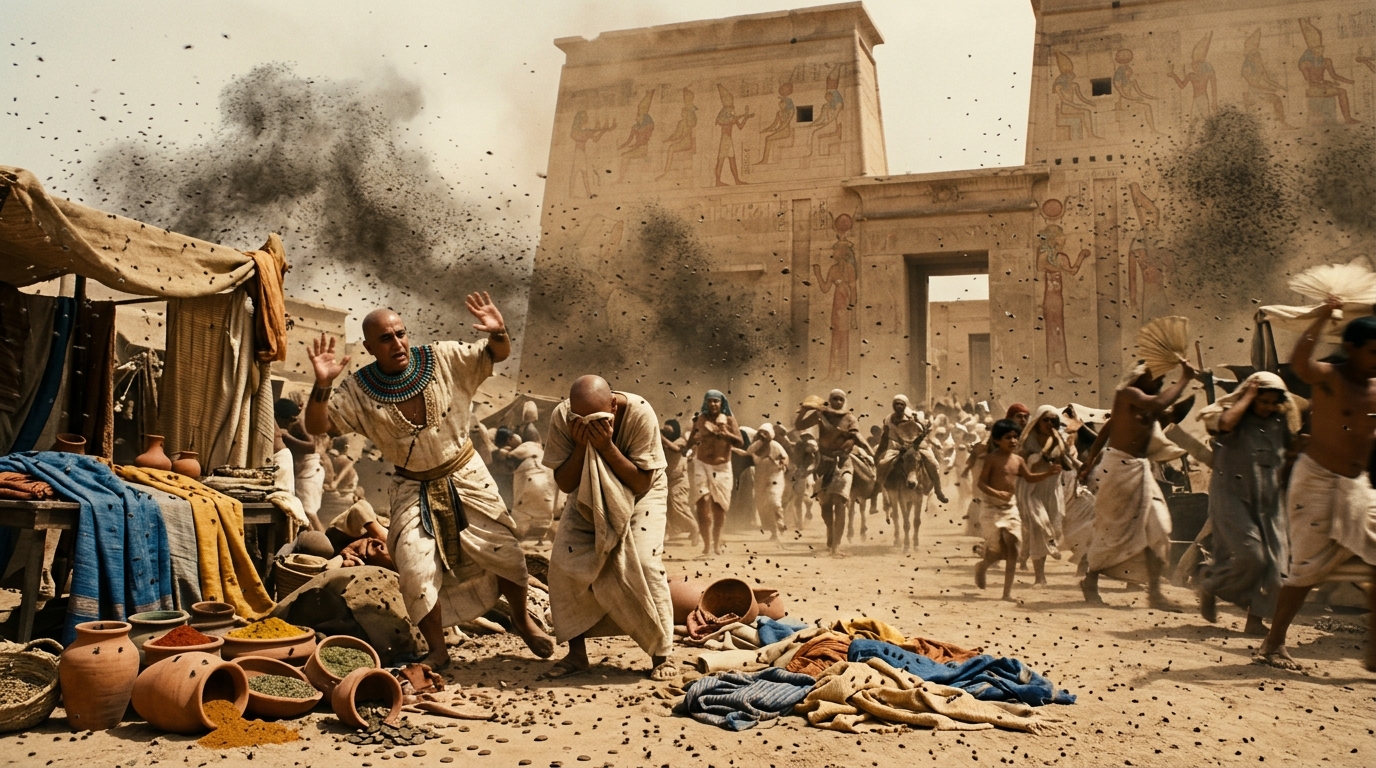
Narrative Possibilities: Weaving Nomadic Stories into the Game
Incorporating the stories of these nomadic tribes into a video game centered on Moses’ wilderness journey can enhance the narrative depth and player engagement. Imagine a game where players, as Moses, must navigate not only the physical challenges of the desert but also the complex social landscape of tribal alliances and enmities.
These tribes could serve as both allies and adversaries, with their own agendas and needs. Players might engage in diplomatic missions to secure safe passage, trade negotiations for essential supplies, or even face moral dilemmas when tribal conflicts arise. By weaving these stories into the game’s fabric, developers can create a dynamic world where player choices have meaningful consequences, echoing the intricate politics and cultural exchanges of the time.
Cultural Depth: Representing the Social and Spiritual Lives of Nomads
To authentically represent the nomadic communities of Moses’ era, a game must delve into their cultural and spiritual lives. These groups were not monolithic; they had rich traditions, beliefs, and practices that influenced their worldview and interactions with others.
For example, the Midianites, with whom Moses had personal ties, were known for their distinct religious practices and societal norms. A game could explore these cultural aspects through side quests or interactive dialogues, allowing players to learn about and participate in tribal rituals or festivals. Such immersive experiences can provide players with a deeper understanding of the diverse cultural landscape that Moses navigated, highlighting the spiritual exchanges and cultural syncretism that characterized the region.
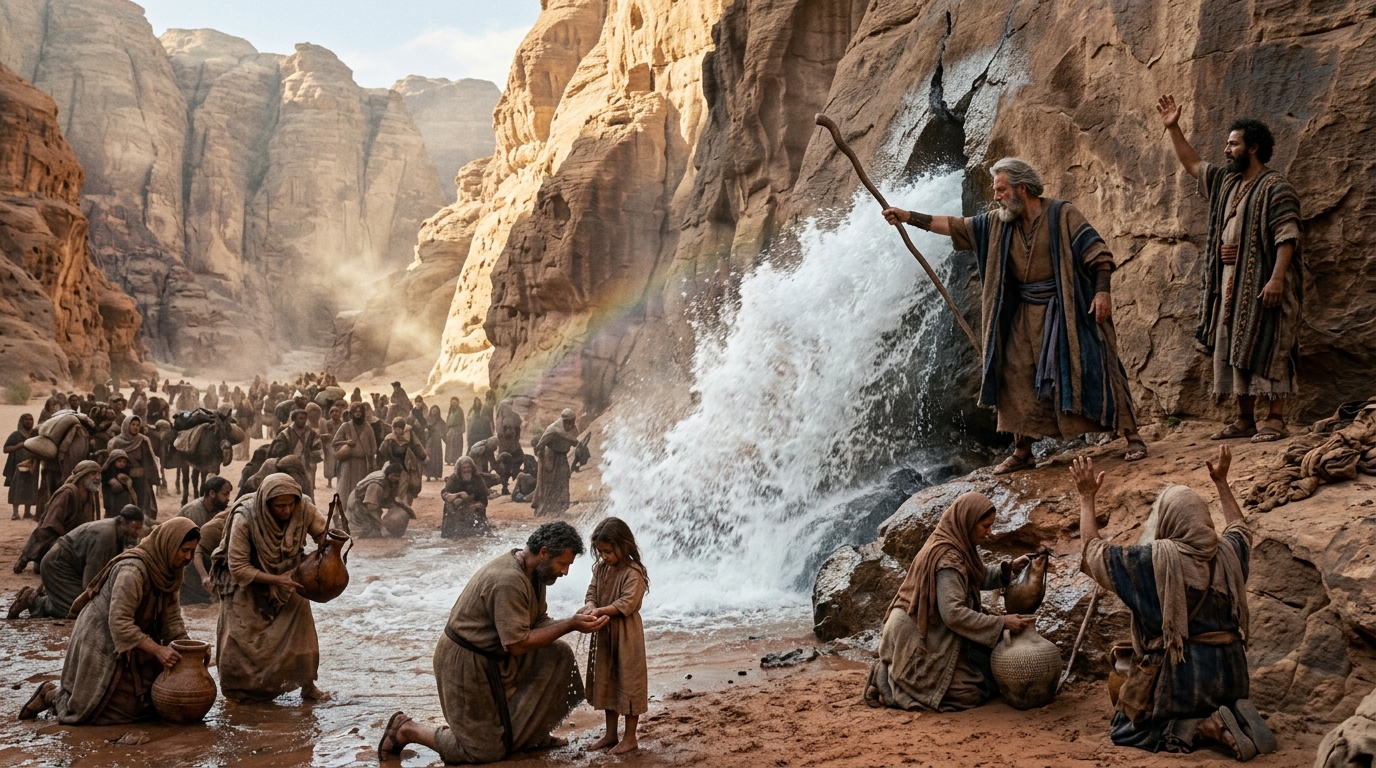
Player Experience: Interactions and Missions with Nomadic Communities
Player interactions with nomadic communities can significantly enhance the game experience by introducing varied gameplay mechanics and narrative arcs. Missions involving these tribes could range from cooperative endeavors, like building alliances or sharing resources, to more challenging scenarios, such as resolving inter-tribal disputes or facing hostile encounters.
These interactions could be facilitated through a dynamic quest system where players must gather intelligence, make strategic decisions, and leverage diplomacy to achieve their goals. The inclusion of non-linear storylines, where player choices affect the outcome of tribal relations and the broader narrative, can create a compelling and replayable experience.
Conclusion: The Impact of Nomads on Moses’ Journey and Game Depth
Exploring the role of nomadic tribes in a video game about Moses’ wilderness years offers a unique opportunity to enrich the narrative and gameplay. By focusing on the cultural, social, and spiritual dimensions of these communities, developers can create a world that is both historically grounded and creatively expansive. These hidden communities not only add depth to Moses’ journey but also invite players to engage with a vibrant and multifaceted historical landscape, transforming a familiar biblical story into a complex and immersive adventure.
Incorporating the nomads of Moses’ wilderness into a game is more than a nod to historical authenticity; it is an invitation to explore the rich tapestry of human experience that shaped one of history’s most enduring narratives.