Reconstructing the Calendar: Timekeeping and Chronology in a Moses Game
Explore ancient Egyptian and Hebrew calendars to enhance narrative and gameplay in a Moses game, offering historical depth and immersion.
Introduction to Ancient Timekeeping
In the realm of historical gaming, the integration of authentic cultural elements is crucial for creating immersive experiences. One often overlooked aspect is the role of ancient timekeeping systems. In a video game inspired by Moses and the Exodus, the interplay between ancient Egyptian and Hebrew calendars can significantly enhance both the narrative and gameplay. By exploring these timekeeping systems, developers can craft a world that feels both authentic and engaging, allowing players to interact with the passage of time in meaningful ways.
The Egyptian Calendar: Structure and Significance
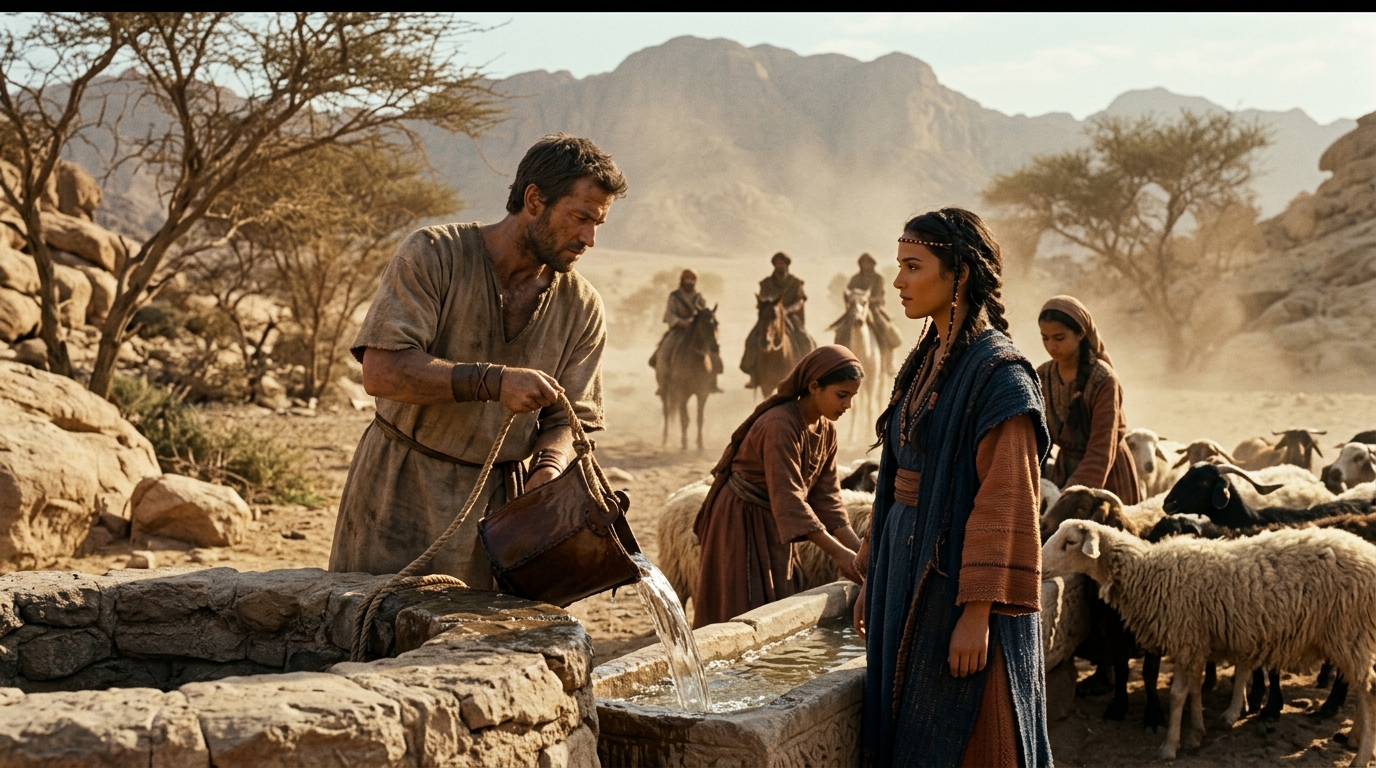
The ancient Egyptian calendar was a solar-based system, consisting of 12 months with 30 days each, followed by an additional five days to complete the year. This calendar was crucial for managing the agricultural activities that were the backbone of Egyptian society. Each month was divided into three ten-day weeks, and the calendar was primarily used to predict the annual flooding of the Nile, which was essential for crop cultivation.
In a Moses game, this calendar could serve as a backdrop for the player’s journey, influencing environmental conditions and resource availability. For instance, the annual inundation of the Nile could be a significant event that affects travel routes, quest availability, and resource gathering. By aligning certain game events with the Egyptian calendar, developers can provide players with a deeper understanding of the cyclical nature of ancient Egyptian life.
Hebrew Calendar Considerations
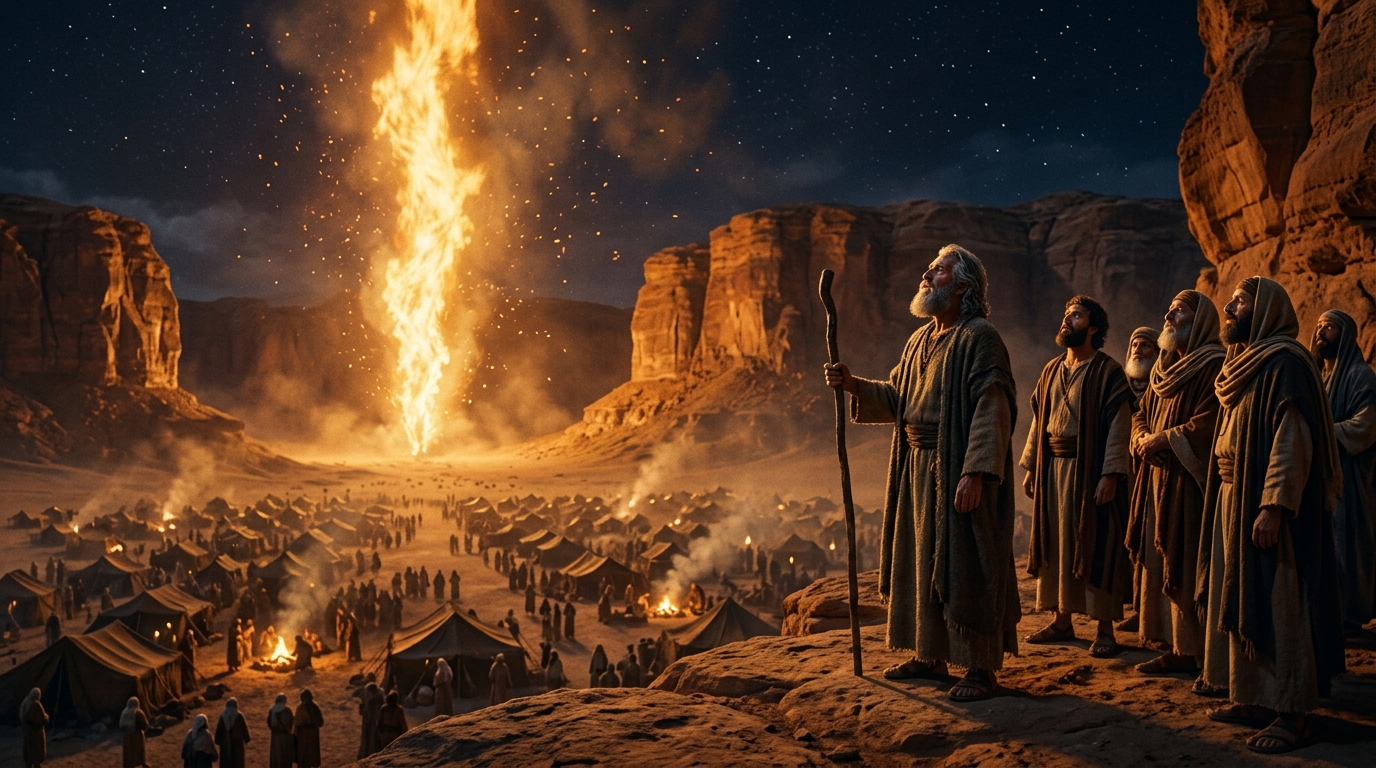
In contrast, the Hebrew calendar was primarily lunar, with months beginning at the new moon. This system required periodic adjustments, such as the addition of a leap month, to stay in sync with the solar year. The Hebrew calendar played a vital role in religious observances, dictating the timing of festivals and rituals that were central to Hebrew culture.
Incorporating the Hebrew calendar into the game can enrich the narrative by highlighting the cultural and religious differences between the Egyptians and the Hebrews. For example, players could participate in or witness key religious festivals, which would not only serve as narrative milestones but also as opportunities for character development and plot progression. This dual-calendar system can create a dynamic tension within the game, reflecting the historical interplay between these two cultures.
Integrating Calendars into Game Mechanics
Integrating these calendars into game mechanics opens up a plethora of possibilities for quest design and player decision-making. Time-sensitive quests could require players to complete certain objectives before a specific calendar date, adding urgency and strategic depth to gameplay. Seasonal changes dictated by the Egyptian calendar could alter the game environment, affecting everything from weather to wildlife behavior.
Moreover, calendar-based festivals and rituals could serve as unique gameplay events. These events could offer special rewards or alter the game’s social dynamics, encouraging players to engage with the world and its inhabitants in new ways. By tying these events to the calendar, developers can create a living world that reacts to the passage of time, enhancing player immersion.
Challenges and Creative Strategies for Adaptation
Adapting ancient timekeeping systems for modern gameplay presents several challenges. One primary concern is ensuring that the complexity of these systems does not overwhelm players or detract from the core gameplay experience. Developers must find a balance between historical accuracy and playability, ensuring that the calendar systems enhance rather than hinder the player’s journey.
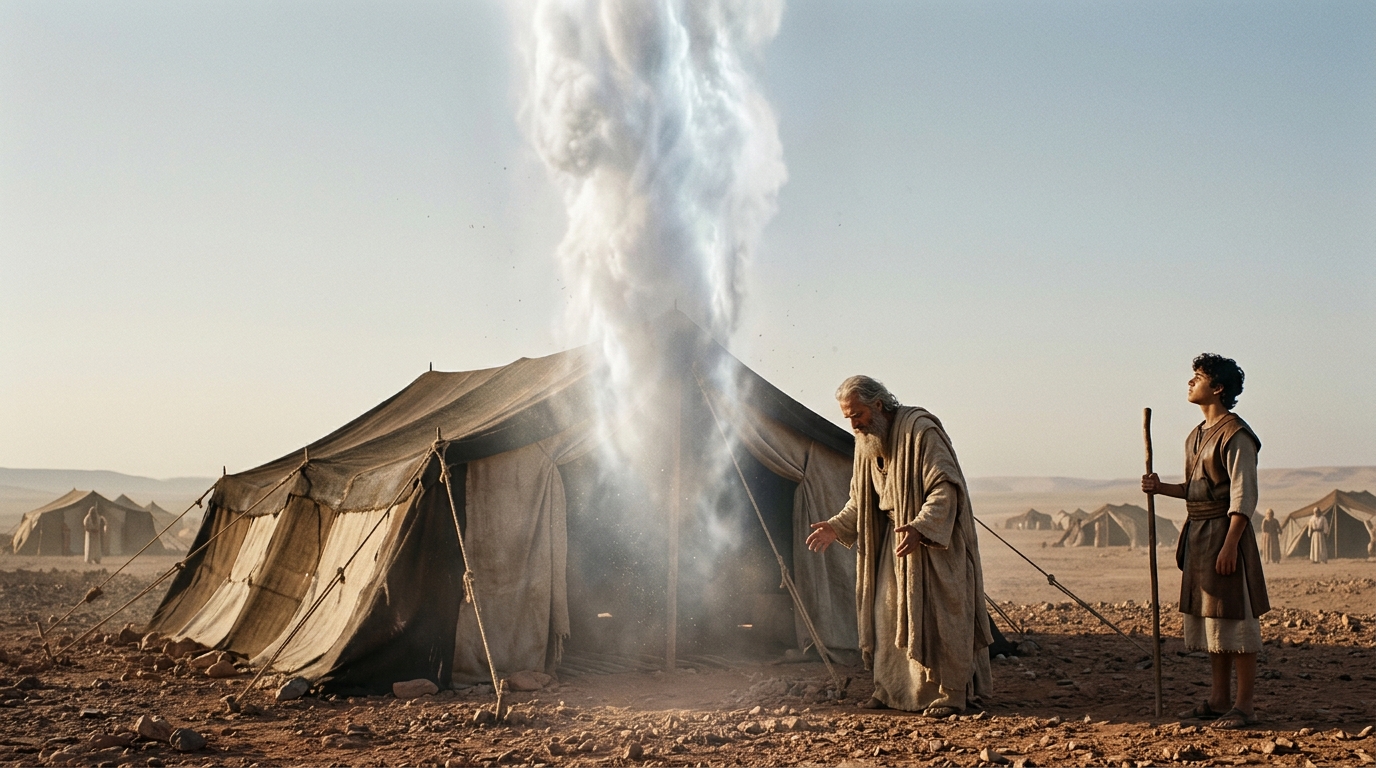
One strategy is to use the calendars as a narrative tool rather than a strict gameplay mechanic. By integrating subtle reminders and visual cues, such as changing landscapes or cultural markers, developers can convey the passage of time without requiring players to manage the calendars actively. Additionally, offering players the option to engage with calendar-related content at their own pace can help maintain accessibility.
Conclusion: Enhancing Player Experience Through Authentic Chronology
Incorporating the ancient Egyptian and Hebrew calendars into a Moses game offers a unique opportunity to enrich the narrative and gameplay experience. By weaving these timekeeping systems into the fabric of the game world, developers can create a more immersive and authentic representation of ancient cultures, inviting players to explore the complexities of time and its impact on historical events.
Ultimately, the careful integration of these calendars can transform the game from a simple retelling of biblical events into a dynamic exploration of history and culture. By doing so, developers can provide players with a deeper understanding of the ancient world, making the journey of Moses not just a story of liberation, but a rich tapestry of time, tradition, and transformation.