Under the Sands: Unearthing Hidden Narratives in Ancient Egypt for a Moses Game
Explore hidden narratives and environmental storytelling in a Moses game to enrich player experience with untold stories of Ancient Egypt and the Exodus.
Introduction: The Allure of Hidden Narratives
In the realm of video games, the allure of hidden narratives has long captivated players and developers alike. These stories, tucked away in the folds of expansive game worlds, offer rich rewards for those who dare to explore beyond the main storyline. In the context of a game inspired by Moses, Ancient Egypt, and the Exodus, incorporating hidden narratives can provide a fresh and immersive experience. By unearthing untold stories through environmental storytelling, players can gain deeper insights into the cultural tapestry of Ancient Egypt, enriching their understanding of this pivotal historical period.
Untold Stories of Ancient Egypt: Opportunities for Discovery
Ancient Egypt, with its millennia of history, offers a treasure trove of narratives waiting to be discovered. While the biblical tale of Moses and the Exodus is well-known, the daily lives of ordinary Egyptians, their struggles, triumphs, and beliefs, remain largely untold in popular media. A Moses game can delve into these lesser-known aspects, such as the lives of Egyptian artisans, farmers, and traders, or the intricate workings of their religious institutions and societal structures. By weaving these stories into the game, developers can create a world that feels alive and authentic.
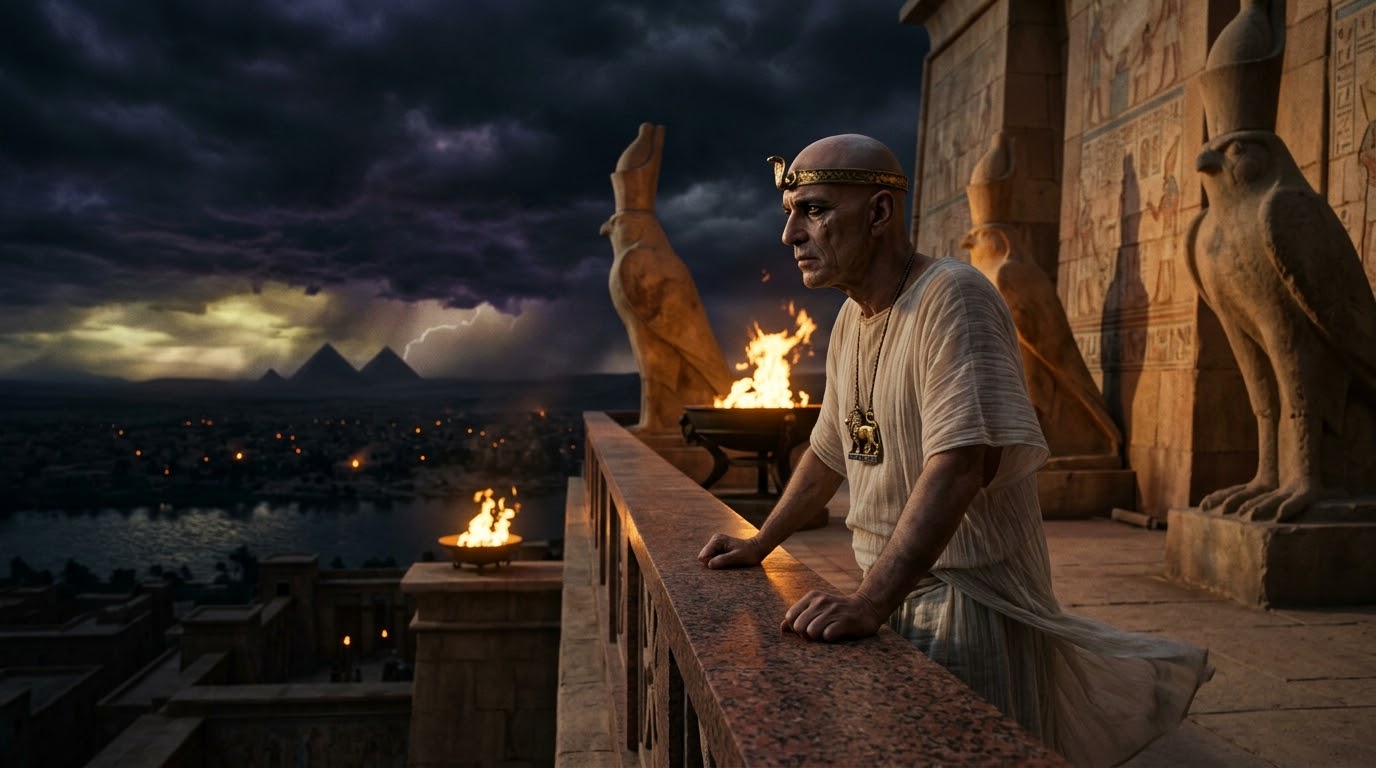
Imagine exploring a bustling market in Thebes, overhearing conversations that hint at political unrest or religious debates. Or perhaps discovering a hidden chamber in a temple, where inscriptions tell of a forgotten pharaoh’s deeds. These narratives can be subtly integrated into the environment, encouraging players to piece together the broader story of Ancient Egypt through exploration and discovery.
Environmental Storytelling: Techniques and Tools
Environmental storytelling is a powerful tool in game design, allowing developers to convey narratives through the world itself rather than through direct exposition. Techniques such as visual cues, ambient sounds, and interactive objects can all contribute to this storytelling method. In a Moses game, these elements can be used to evoke the atmosphere of Ancient Egypt and convey its hidden stories.

For instance, the architecture of a city can reflect its historical context, with inscriptions and reliefs on walls depicting significant events or cultural practices. Players might stumble upon ancient scrolls or artifacts that unlock side quests, each revealing more about the people who lived during this era. By layering these elements thoughtfully, developers can create a rich tapestry of narratives that players can unravel at their own pace.
Integrating Inscriptions and Artifacts into Gameplay
Inscriptions and artifacts are invaluable tools for embedding historical and cultural narratives into a game. They provide tangible links to the past, allowing players to connect with the world on a deeper level. In a Moses game, these elements can be seamlessly integrated into the gameplay to enhance immersion and lore.
Consider a quest where players must decipher hieroglyphs on an ancient obelisk to unlock a hidden passage. The inscriptions could tell tales of past rulers, wars, or religious ceremonies, offering context to the player’s journey. Artifacts, too, can serve as narrative devices, each with its own story to tell. A simple amulet might reveal the beliefs of its owner, while a ceremonial mask could hint at the rituals of a long-lost cult.
By making these discoveries optional, players can choose how deeply they wish to engage with the game’s lore, ensuring that the main storyline remains accessible to all while offering depth for those who seek it.
Balancing Main Storyline with Optional Lore
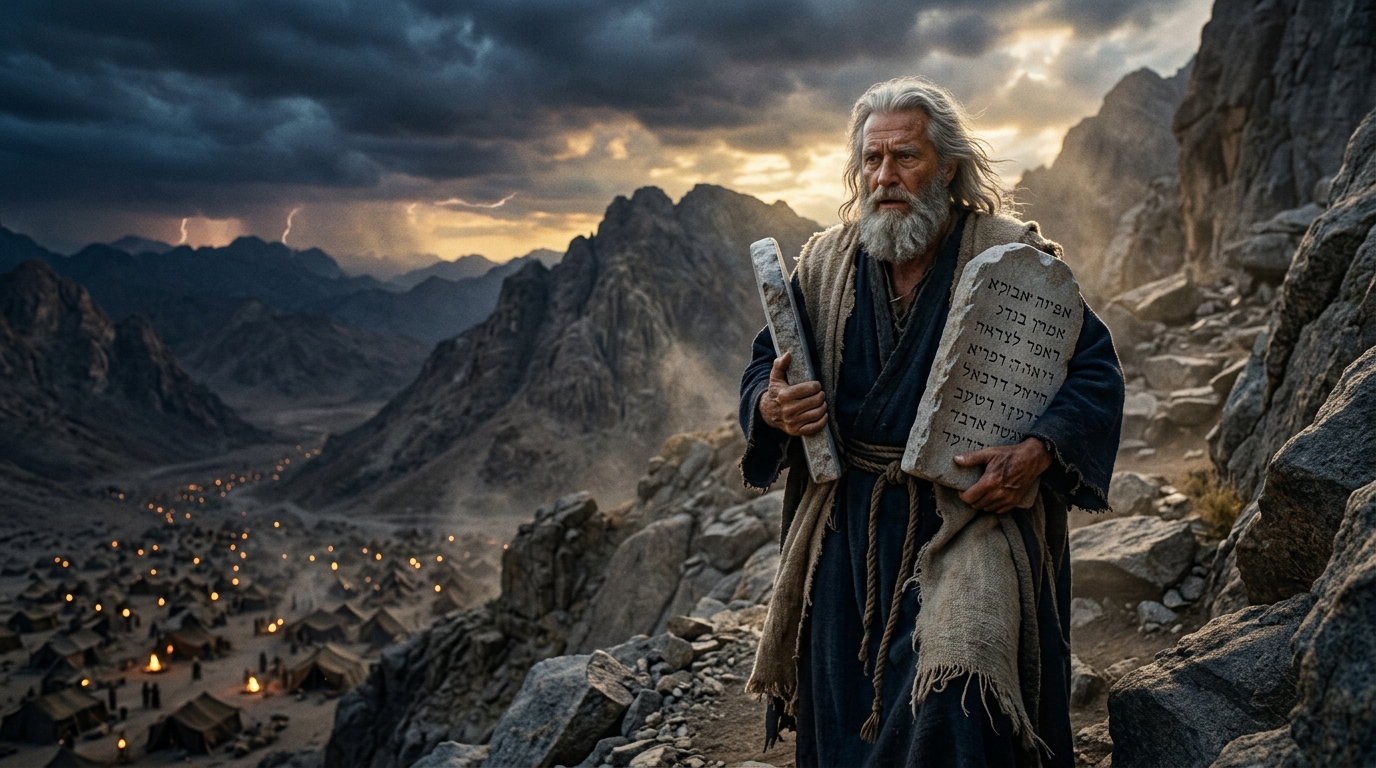
One of the challenges in incorporating hidden narratives is maintaining a balance between the main storyline and optional lore. In a Moses game, it is crucial that the core narrative remains engaging and coherent, while the hidden stories serve to enhance rather than overshadow it.
To achieve this balance, developers can design the game with branching paths that allow players to explore side stories at their discretion. These paths can be woven into the main storyline, offering rewards or insights that enrich the player’s understanding without detracting from the central plot. By providing players with choices and consequences, the game can create a dynamic narrative experience that feels both personal and expansive.
Conclusion: Crafting a Rich and Immersive Game World
The potential to uncover hidden narratives through environmental storytelling in a Moses game offers an exciting opportunity to enrich the player’s experience. By delving into the untold stories of Ancient Egypt and integrating them into the game world, developers can create a nuanced and immersive experience that resonates with players. These hidden narratives not only provide depth and authenticity but also invite players to engage with the game on a more meaningful level, exploring the cultural and historical context of this fascinating era.
In crafting such a world, game designers and narrative developers have the chance to breathe new life into the ancient story of Moses, offering players a journey that is as enlightening as it is entertaining.