Crafting Community Dynamics: Exploring Social Hierarchies and Interactions in Ancient Egyptian Settlements for a Moses Game
Explore social hierarchies in Ancient Egypt for a Moses game, enhancing world-building and player engagement through dynamic NPC interactions.
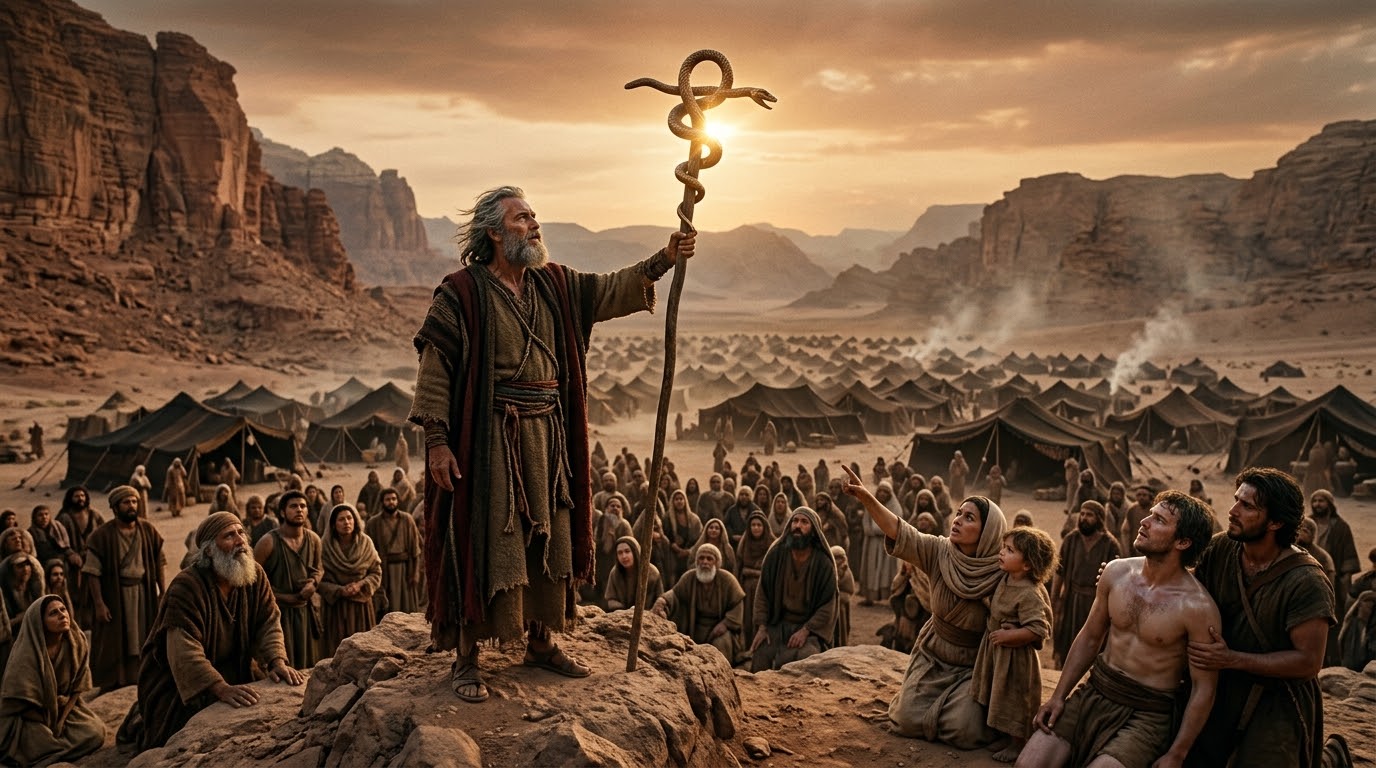
The Role of Social Dynamics in World-Building
In crafting a video game inspired by the story of Moses, designers have a unique opportunity to delve into the intricate social fabric of Ancient Egypt. While the biblical narrative often highlights monumental events, the daily lives of the people within this ancient society offer a rich tapestry for storytelling and player engagement. By focusing on the social hierarchies and interactions within Egyptian settlements, developers can create a living, breathing world that enhances the player’s immersion and understanding of the era.
Understanding Ancient Egyptian Social Hierarchies
Ancient Egyptian society was a complex hierarchy, with distinct roles and responsibilities assigned to various classes. At the top were the pharaoh and the nobility, who wielded significant power and influence. Below them were the priests, who played a crucial role in the spiritual and political life of Egypt. Scribes, essential for administration and record-keeping, were respected for their literacy and knowledge. Soldiers protected the land, while artisans and merchants contributed to the economy and culture. At the base were the farmers and laborers, whose work sustained the entire society.
In a Moses game, representing these social layers authentically can provide players with a nuanced understanding of the world Moses inhabited. By interacting with characters from different classes, players can gain insight into the diverse experiences and perspectives that shaped Ancient Egypt. This approach not only enriches the narrative but also allows players to appreciate the complexities of the society Moses was destined to lead out of bondage.
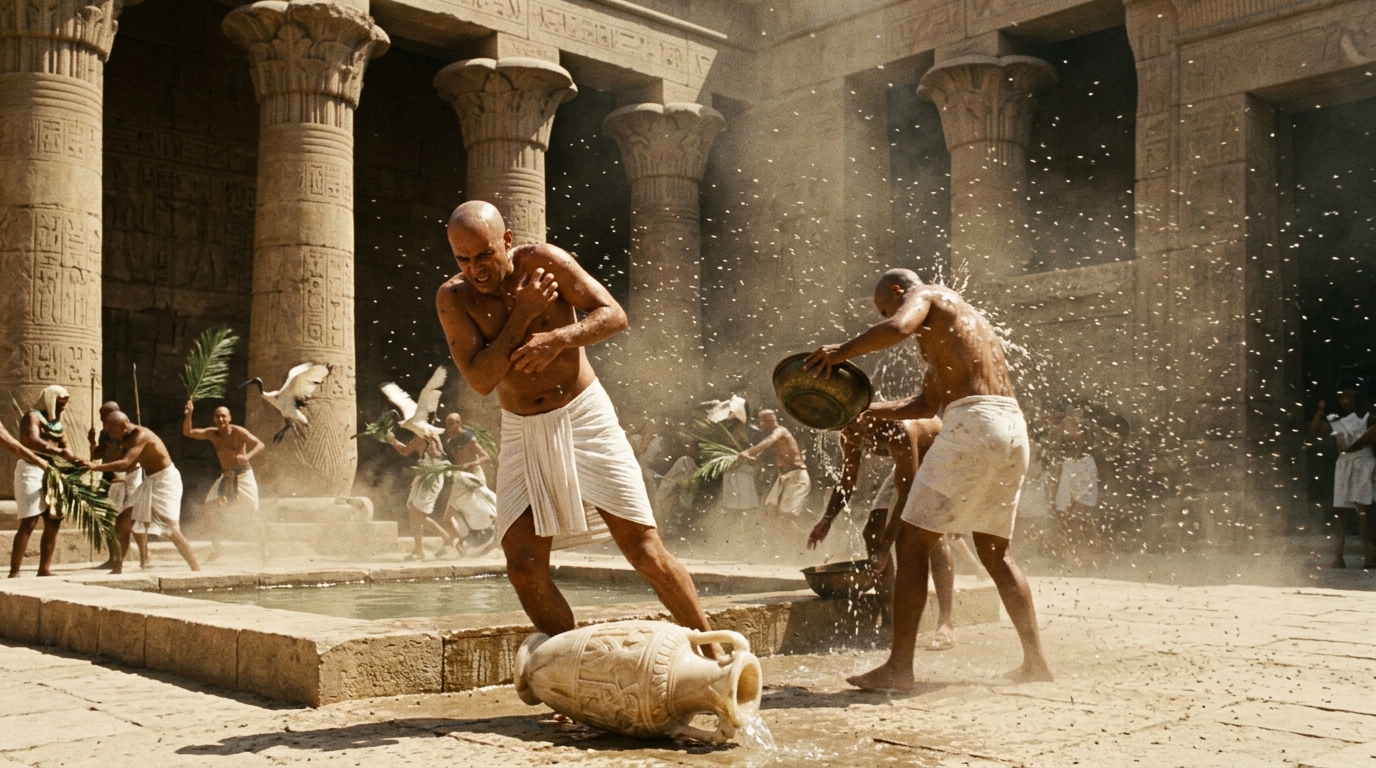
Designing Interactive Settlements: Mechanics and Challenges
Creating interactive settlements that reflect Ancient Egyptian social dynamics presents both exciting opportunities and significant challenges. A key aspect is developing gameplay mechanics that allow players to engage meaningfully with non-playable characters (NPCs) from various social strata. For instance, players might navigate a bustling marketplace, where interactions with merchants could reveal information about local trade practices or economic conditions.
Mechanics could include dialogue systems that change based on the player’s social standing or previous actions. Players might need to earn the trust of a priest to access sacred knowledge or negotiate with artisans to craft essential items. These interactions should feel organic and consequential, influencing the player’s journey and decisions. The challenge lies in balancing historical accuracy with engaging gameplay, ensuring that interactions remain dynamic and impactful without overwhelming the player with complexity.
Creating NPCs with Purpose: Social Roles and Player Choices
Incorporating purposeful NPCs into the game world is essential for achieving a realistic depiction of Ancient Egyptian society. Each NPC should serve a role that reflects their social class, contributing to the settlement’s ecosystem. For example, a scribe might offer quests related to deciphering ancient texts or managing resources, while a soldier could provide insights into military strategies or political tensions.
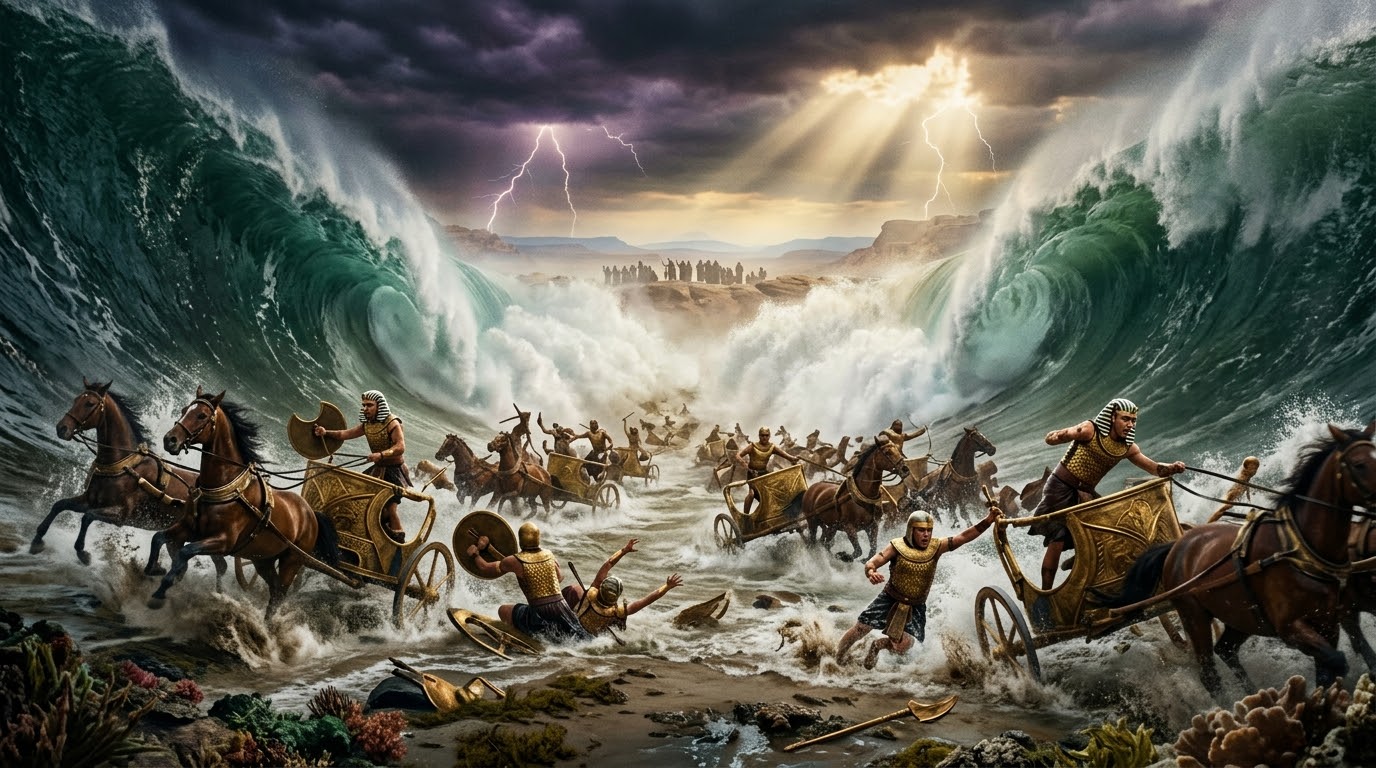
Player choices should significantly impact these NPC interactions. A decision to aid a struggling farmer might lead to increased food supplies, affecting the settlement’s overall prosperity. Conversely, neglecting the needs of lower classes could result in unrest or hinder the player’s progress. By embedding these social dynamics into the game’s core, developers can encourage players to consider the broader implications of their actions within the community.
Integrating Social Dynamics into the Narrative: Enhancing the Moses Story
The story of Moses is one of liberation, leadership, and divine intervention. However, by weaving social dynamics into the narrative, the game can offer a fresh perspective on his journey. Players could experience the tensions and alliances that Moses navigated, from engaging with the pharaoh’s court to understanding the plight of the enslaved Hebrews.
Imagine a quest where Moses must gather support from different social groups to strengthen his cause. Convincing a noble to provide resources might require demonstrating the benefits of freedom, while gaining the priests’ blessing could involve proving his divine mission. These narrative threads can deepen the player’s connection to the story, highlighting the human elements behind the legendary events.
Ultimately, integrating social hierarchies and interactions in a Moses game not only enriches the world-building but also elevates the player’s experience. By exploring the everyday lives of Ancient Egyptians, players gain a deeper appreciation for the society Moses sought to transform, offering a compelling blend of history, culture, and narrative depth.