Navigating the Waters: Designing Environmental Puzzles for the Red Sea Crossing
Explore how environmental puzzles can enhance the Red Sea crossing in a Moses-themed game, adding tension and player agency.

Introduction: Setting the Stage for the Red Sea Crossing
The Red Sea crossing stands as one of the most iconic moments in the biblical narrative of Exodus. While traditionally portrayed as a miraculous event driven by divine intervention, the crossing offers a fertile ground for game designers to create an immersive and interactive experience. By integrating environmental puzzles into this dramatic escape, developers can enhance player engagement, challenge their problem-solving skills, and deepen the emotional impact of the story.
The Role of Environmental Puzzles in Storytelling
Environmental puzzles serve as a bridge between narrative and gameplay, transforming passive storytelling into active participation. In the context of the Red Sea crossing, these puzzles can heighten dramatic tension by requiring players to interact with the environment in meaningful ways. By solving challenges that reflect the urgency and peril of the Israelites’ escape, players can experience a sense of agency and involvement in the unfolding drama.
For instance, puzzles could involve manipulating water currents, constructing makeshift rafts, or deciphering ancient symbols to unlock safe passage. These elements not only enrich the gameplay but also reinforce the themes of survival and faith central to the Exodus story.
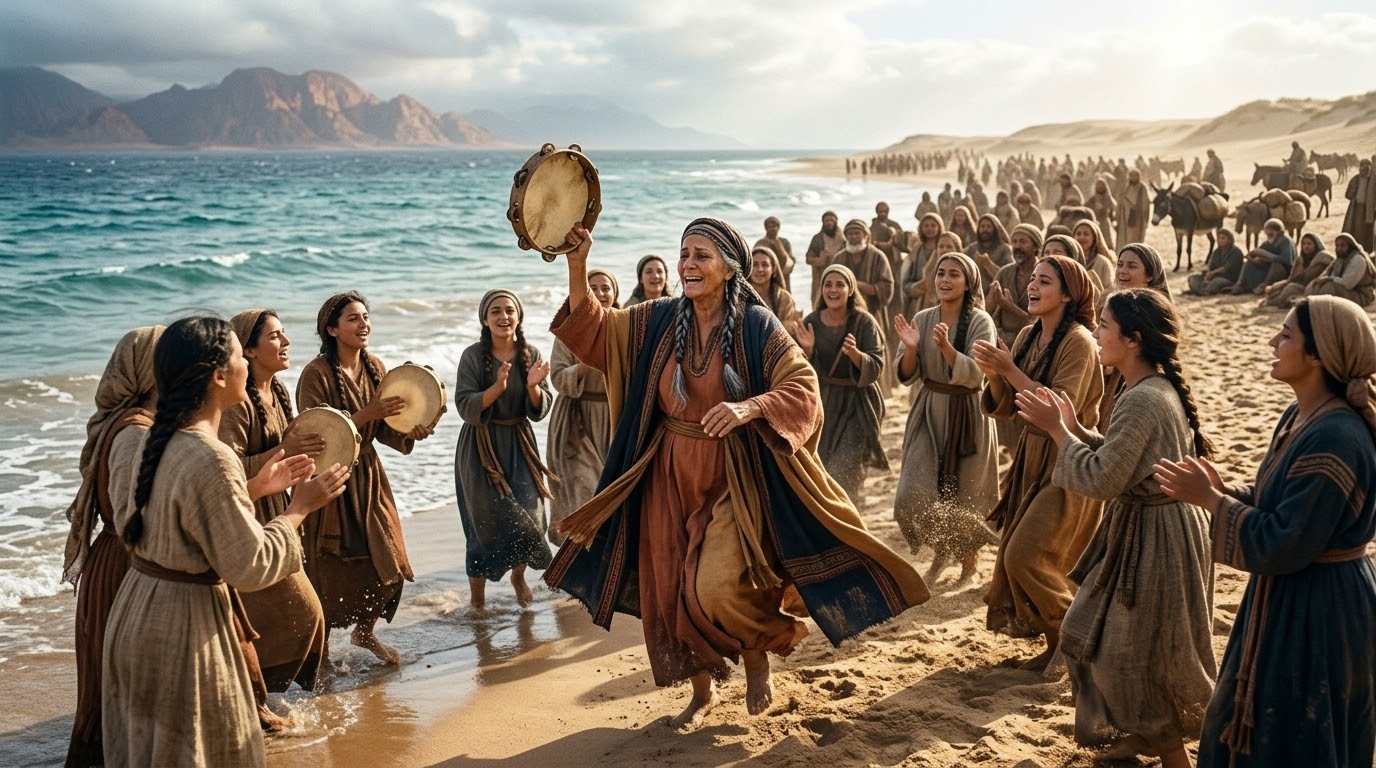
Designing Thematic Puzzles for the Exodus
When designing puzzles for the Red Sea crossing, it is crucial to ensure they are thematically consistent with the historical and cultural context. The puzzles should reflect the challenges faced by the Israelites, such as finding food and water, navigating treacherous terrain, and evading pursuit by the Egyptian army.
One potential puzzle could involve players needing to gather resources to construct a bridge or a flotation device. Another could require deciphering a map that leads to a hidden path through the sea, aligning with the narrative of divine guidance. By grounding puzzles in the reality of the time, developers can create a more authentic and engaging experience.
Player Agency and Choice: Navigating Through Crisis
Incorporating player agency into the Red Sea crossing can transform it from a scripted event into a dynamic and personal journey. Allowing players to make choices that affect the outcome of the crossing can increase their emotional investment and sense of responsibility.
For example, players might decide whether to take a riskier, faster route through the sea or a longer, safer path. These decisions could impact the success of the crossing, the survival of key characters, and the overall narrative arc. By offering meaningful choices, the game can mirror the moral and ethical dilemmas faced by Moses and the Israelites.
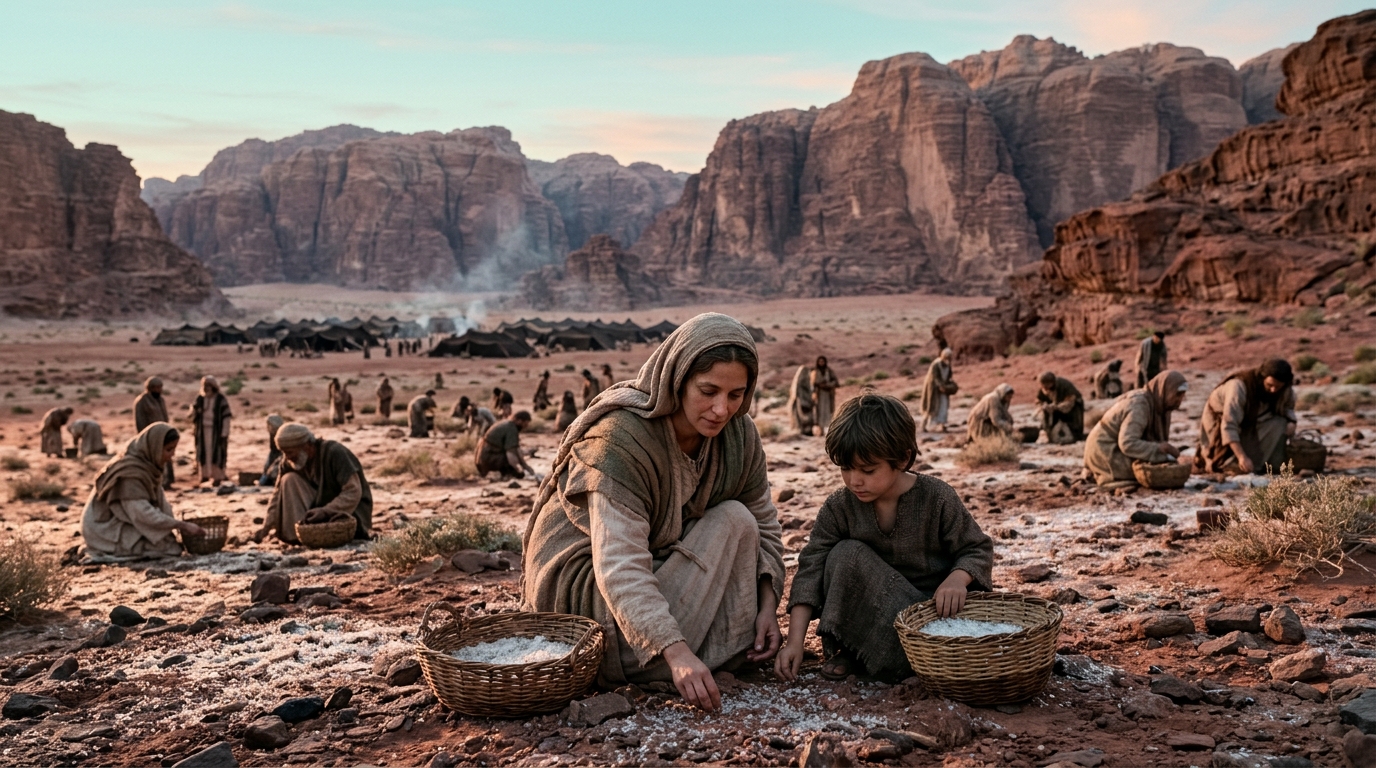
Balancing Historical Context with Gameplay Mechanics
Creating a game based on a historical and religious event like the Exodus requires a delicate balance between authenticity and entertainment. While the biblical account emphasizes miraculous intervention, a game can explore human ingenuity and interaction with the environment without diminishing the story’s spiritual elements.
To achieve this balance, developers can draw from historical interpretations and archaeological evidence to create a believable setting. This approach allows for the inclusion of natural phenomena, such as tides and weather changes, which can serve as both obstacles and aids in the crossing. By respecting the historical context, the game can offer a respectful yet imaginative retelling of the Red Sea crossing.
Conclusion: Crafting a Memorable Biblical Experience
The integration of environmental puzzles into the Red Sea crossing in a Moses-themed game offers a unique opportunity to engage players with a timeless story. By focusing on player agency, thematic consistency, and historical context, developers can create a compelling and immersive experience that resonates with both gamers and those interested in biblical history.
Ultimately, the goal is to craft a game that not only entertains but also invites players to reflect on the themes of faith, perseverance, and human resilience. By navigating the waters of the Red Sea through interactive puzzles, players can gain a deeper appreciation for one of the most dramatic and enduring tales in human history.